
What is HDPE Pipe Used For?
HDPE pipe (High-Density Polyethylene pipe) has become one of the most widely used piping solutions in modern infrastructure. Known for its strength, flexibility, and corrosion resistance, it is replacing traditional materials like steel, concrete, and PVC in many industries.
But what exactly is HDPE pipe used for—and why is it so popular?
This article explains the key applications, advantages, and industries that rely on HDPE piping systems.
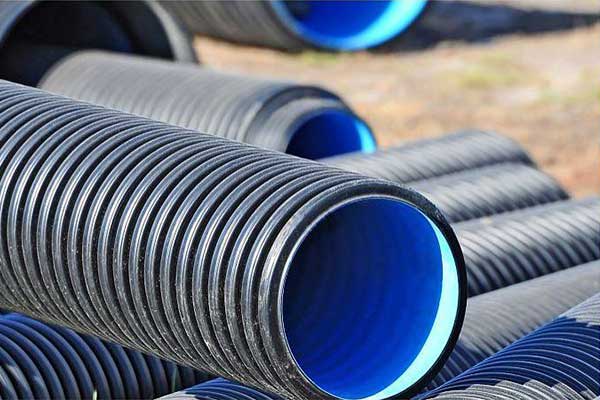
What is HDPE Pipe?
HDPE pipe is made from high-density polyethylene, a durable thermoplastic polymer known for its toughness and chemical resistance. It is designed to transport fluids and gases safely under a wide range of conditions.
Unlike rigid piping materials, HDPE pipes are flexible and can withstand ground movement, pressure changes, and harsh environments without cracking or corroding.
Key Uses of HDPE Pipe
HDPE pipes are extremely versatile. Below are the most common applications:
1. Water Supply Systems
HDPE pipes are widely used in municipal and rural water distribution systems. They are ideal for:
- Drinking water pipelines
- Residential water supply networks
- Industrial water transport
Their non-toxic and leak-resistant properties make them safe for potable water systems.
2. Sewerage and Drainage Systems
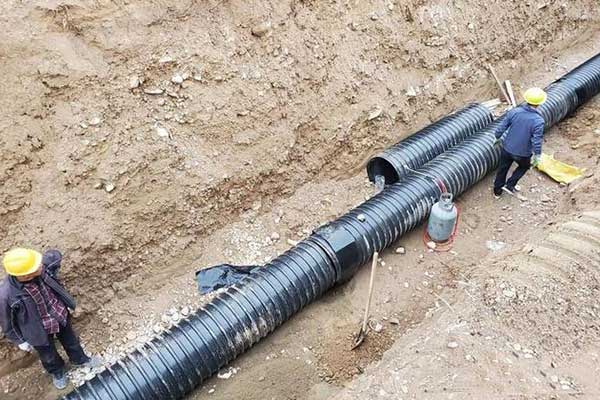
One of the biggest uses of HDPE pipe is in wastewater management:
- Sewage pipelines
- Stormwater drainage
- Underground wastewater systems
Because HDPE is corrosion-resistant, it performs well in aggressive chemical environments found in sewage systems.
3. Agricultural Irrigation
In agriculture, HDPE pipes are used for efficient water delivery:
- Drip irrigation systems
- Sprinkler irrigation
- Farm water distribution lines
They help reduce water loss and improve irrigation efficiency.
4. Gas Distribution Systems
HDPE pipes are commonly used to transport natural gas due to their:
- High pressure resistance
- Leak-proof fusion welding joints
- Long service life
This makes them safer than many traditional metal pipelines.
5. Industrial Fluid Transport
Industries use HDPE pipes to carry chemicals, slurry, and process water:
- Chemical processing plants
- Mining operations
- Manufacturing facilities
Their chemical resistance makes them suitable for transporting corrosive substances.
6. Electrical and Telecom Conduits
HDPE pipes also serve as protective conduits:
- Fiber optic cable protection
- Electrical cable ducting
- Underground communication networks
They protect cables from moisture, pressure, and physical damage.
7. Marine and Offshore Applications
Due to their durability and resistance to seawater, HDPE pipes are used in:
- Offshore drainage systems
- Seawater intake and discharge
- Coastal engineering projects
Advantages of HDPE Pipes
HDPE piping systems are preferred for many reasons:
- Corrosion Resistance: They do not rust or corrode, even in harsh chemical or salty environments.
- Flexibility: HDPE pipes can bend without breaking, making them ideal for unstable ground conditions.
- Leak-Free Joints: Heat fusion welding creates a seamless pipeline with minimal leakage risk.
- Long Service Life: HDPE pipes can last 50 years or more under proper installation.
- Lightweight and Easy Installation: Compared to steel or concrete, HDPE is much easier to transport and install.
- Cost-Effective: Lower maintenance and longer lifespan reduce overall project costs.
Common Industries That Use HDPE Pipe
HDPE pipes are used across multiple sectors:
- Municipal engineering
- Construction and infrastructure
- Agriculture
- Oil and gas
- Mining
- Telecommunications
- Environmental engineering
Conclusion
HDPE pipes are a modern, reliable, and cost-effective solution for transporting water, gas, and industrial fluids. Their durability, flexibility, and resistance to corrosion make them suitable for a wide range of applications—from agriculture and municipal water systems to industrial and offshore projects.