
Why Use Geotextile Under Road Base? A Complete Guide
When building a road, most people focus on the visible surface, such as asphalt or concrete. However, the real strength of a road starts underneath. A weak foundation can lead to problems like cracks, potholes, and uneven surfaces, even if the top layer is made with high-quality materials.
This is where geotextile comes in. By adding a geotextile layer between the soil and aggregate, contractors can create a stronger, more stable road structure that lasts longer and requires less maintenance.
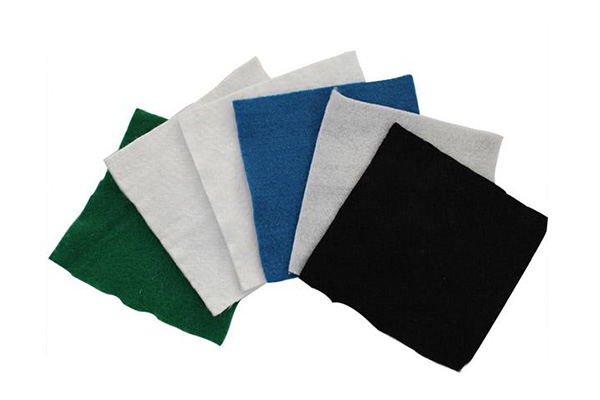
What is Geotextile?
A geotextile is a synthetic fabric used in construction to improve soil performance, control water movement, and separate different layers of materials. It is usually made from polypropylene or polyester and is commonly used in roads, drainage systems, erosion control projects, and ground reinforcement.
In road construction, geotextiles are installed between the natural soil and the road base layer. They help prevent soil and gravel from mixing, improve stability, and provide better support for the pavement structure.
The two most common types of geotextiles are:
- Woven geotextiles – Designed with strong woven fibers, offering high tensile strength for reinforcement applications.
- Nonwoven geotextiles – Made from randomly arranged fibers, providing excellent filtration and drainage performance.
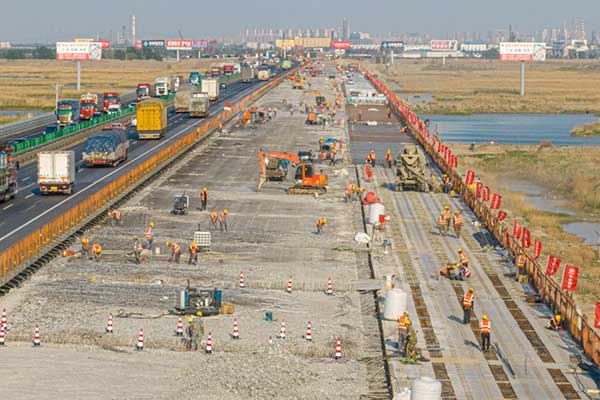
Why is Geotextile Used Under Road Base?
The road base is one of the most important parts of any road project. It needs to support traffic loads and maintain stability under different weather conditions. However, problems can occur when the road is built on weak or soft soil.
Geotextiles help solve these challenges in several ways.
1. Prevents Soil and Aggregate Mixing
One of the main purposes of using geotextile under a road base is separation.
Without a geotextile layer, the crushed stone or gravel used for the road base can gradually sink into soft soil. At the same time, fine soil particles may move upward and mix with the aggregate. This reduces the strength and drainage ability of the road foundation.
A geotextile layer keeps these materials separated, allowing each layer to work properly.
2. Improves Road Stability
Roads are constantly exposed to pressure from vehicles, especially heavy trucks. Over time, weak foundations can cause rutting, settlement, and surface damage.
Geotextiles help spread loads more evenly across the ground, improving the stability of the road base and reducing deformation.
3. Provides Better Drainage
Water is one of the biggest causes of road damage. When water accumulates in the soil, it can weaken the foundation and reduce the road’s lifespan.
Geotextiles allow water to pass through while stopping soil particles from moving. This helps maintain proper drainage and keeps the road structure stronger.
4. Reduces Construction and Maintenance Costs
Using geotextile can make road construction more economical. In areas with poor soil conditions, it can reduce the need for excessive excavation and large amounts of replacement material.
A stronger foundation also means fewer repairs and lower maintenance costs in the future.
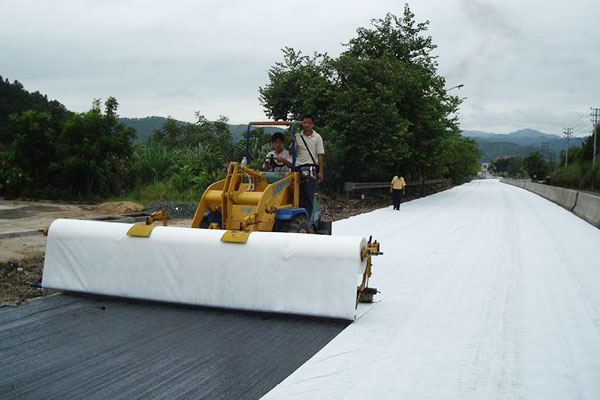
How to Install Geotextile for Road Base
Installing geotextile is a simple process, but proper installation is important for achieving the best results.
Step 1: Prepare the Ground
First, remove vegetation, debris, and loose materials from the construction area. The soil should be leveled and compacted before placing the geotextile.
Step 2: Lay the Geotextile Fabric
Roll out the geotextile directly onto the prepared surface. Make sure the fabric is flat without large wrinkles or folds.
Adjacent sections should overlap properly to ensure continuous coverage.
Step 3: Add the Road Base Material
Place the aggregate or crushed stone on top of the geotextile carefully. Avoid damaging the fabric during material placement.
Step 4: Compact the Road Base
Finally, compact the aggregate layer to achieve the required strength and density.
How to Choose the Right Geotextile for Road Construction?
Choosing the right geotextile depends on the specific requirements of the project.
Consider the following factors:
- Soil conditions: Soft soils usually require stronger reinforcement geotextiles.
- Traffic loads: Roads with heavy vehicles need materials with higher strength and durability.
- Drainage needs: Wet areas require geotextiles with good filtration and water flow properties.
- Project requirements: Different applications may require different material specifications.
Using the wrong type of geotextile may reduce its effectiveness, so selecting a suitable product is essential.
Conclusion
Geotextile for road base is a practical solution for improving road strength, preventing material separation, and controlling drainage. By creating a more stable foundation, geotextiles help roads withstand traffic pressure and environmental changes over time.
Shelter provides high-quality nonwoven geotextile and road construction materials designed for different infrastructure projects. Contact us today to learn more about our geotextile solutions.