
How is HDPE Pipe Most Commonly Joined
High-Density Polyethylene (HDPE) pipes are widely used in water supply, irrigation, mining, gas distribution, drainage, and industrial piping systems due to their durability, flexibility, and corrosion resistance. One of the key advantages of HDPE pipe is its ability to form strong, leak-free joints that can withstand pressure and harsh environmental conditions.
But how are HDPE pipes most commonly joined? The answer depends on the application, pipe size, installation conditions, and project requirements. The most common joining methods include butt fusion, electrofusion, mechanical fittings, and flange connections.
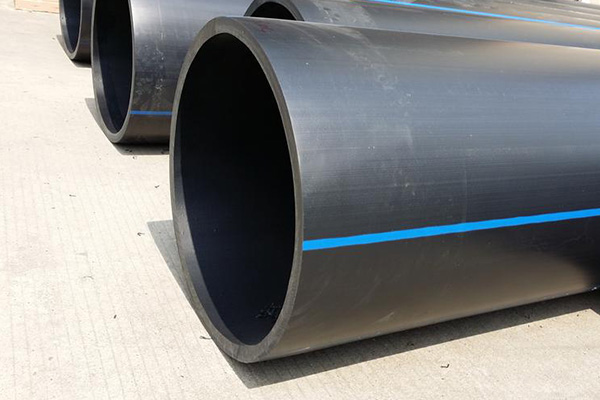
What is HDPE Pipe?
HDPE pipe is a thermoplastic pipe made from high-density polyethylene resin. Compared with traditional materials such as steel, concrete, and PVC, HDPE offers several benefits:
- Excellent resistance to corrosion and chemicals
- High flexibility and impact resistance
- Lightweight design for easier transportation and installation
- Long service life, often exceeding 50 years
- Low maintenance requirements
- Leak-resistant joints
Because of these advantages, HDPE pipes are commonly selected for underground pipelines, water networks, sewer systems, and industrial applications.
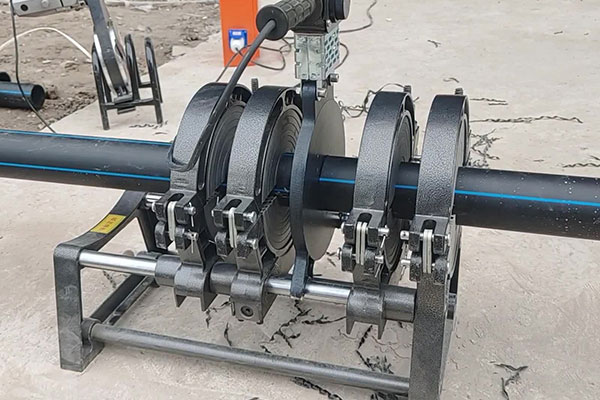
The Most Common HDPE Pipe Joining Methods
1. Butt Fusion
Butt fusion is the most widely used method for joining HDPE pipes, especially for large-diameter pipelines and pressure applications.
In the butt fusion process, two HDPE pipe ends are heated using a specialized heating plate until the material becomes soft and molten. The heated ends are then pressed together under controlled pressure and allowed to cool, creating a permanent molecular bond.
Steps of Butt Fusion:
- The pipe ends are aligned in a fusion machine.
- The ends are trimmed to create smooth, flat surfaces.
- A heating plate melts the pipe ends.
- The heated ends are pressed together.
- The joint cools and forms a strong connection.
Advantages of Butt Fusion:
- Creates a seamless, leak-proof joint
- Maintains the same strength as the original pipe
- Suitable for large diameter pipes
- No additional fittings required
- Reduces pressure loss inside the pipeline
Butt fusion is commonly used for municipal water pipelines, gas lines, mining pipelines, and industrial systems.
2. Electrofusion
Electrofusion is another popular method for joining HDPE pipes, particularly where space is limited or where repairs are needed.
Electrofusion fittings contain embedded electrical heating wires. When an electric current passes through the wires, the fitting melts and bonds with the pipe surface, creating a strong connection.
Advantages of Electrofusion:
- Easy installation in confined areas
- Suitable for pipe repairs and modifications
- Provides reliable, leak-free joints
- Requires less working space than butt fusion
- Ideal for smaller diameter pipes
Electrofusion is frequently used in gas distribution systems, water pipelines, and underground repair projects.
3. Mechanical Fittings
Mechanical joining methods use compression fittings, clamps, couplings, or adapters to connect HDPE pipes without heat fusion.
These fittings are commonly used when:
- Temporary connections are required
- Pipe sections need frequent removal
- Fusion equipment is unavailable
- Connecting HDPE pipe to other materials
Advantages of Mechanical Fittings:
- Quick and simple installation
- No special fusion equipment needed
- Suitable for connecting different pipe materials
- Easy maintenance and replacement
However, mechanical joints may require more maintenance compared with fused joints and are generally preferred for specific applications rather than permanent underground installations.
4. Flange Connections
Flange connections are often used when HDPE pipes need to connect to pumps, valves, tanks, or other equipment.
A typical HDPE flange connection includes:
- HDPE stub end
- Backing flange
- Bolts and nuts
- Gasket
The HDPE pipe is usually joined to a stub end through butt fusion, while the flange provides a detachable connection to other components.
Benefits of Flange Connections:
- Easy installation and removal
- Convenient for maintenance
- Suitable for mechanical equipment connections
- Allows connection between different materials
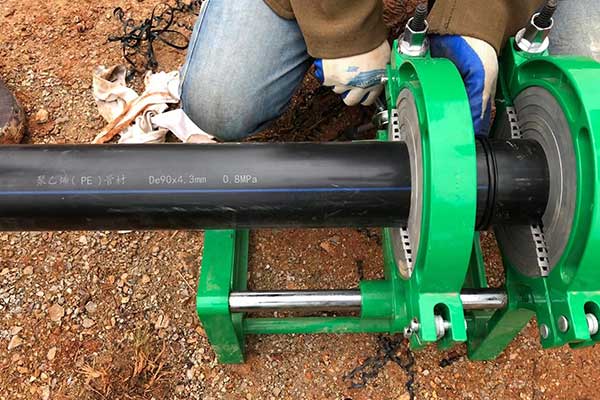
Why Butt Fusion Is Preferred for HDPE Pipe Systems
Although several joining methods are available, butt fusion remains the preferred choice for many HDPE pipeline projects because it creates a joint that is often as strong as or stronger than the pipe itself.
Key reasons include:
1. Leak Prevention
Fusion welding eliminates gaps and reduces the risk of leaks caused by traditional mechanical connections.
2. High Joint Strength
The fused connection becomes a continuous polyethylene structure, allowing it to withstand pressure, ground movement, and temperature changes.
3. Lower Long-Term Maintenance
Since fused joints do not require bolts, seals, or additional components, they typically require less maintenance over the pipeline’s lifespan.
4. Improved Flow Efficiency
The smooth internal surface of fused joints helps reduce turbulence and pressure loss.
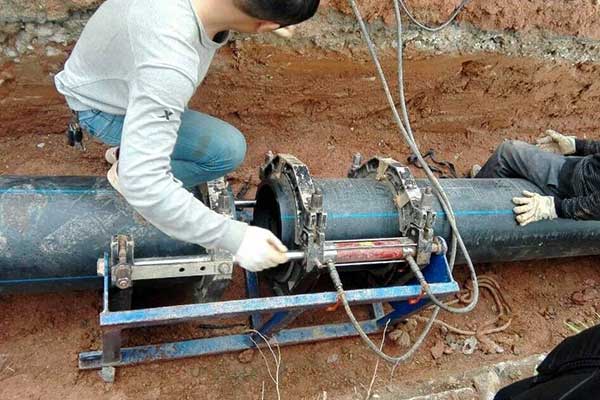
Common Mistakes During HDPE Pipe Joining
Even though HDPE joining is reliable, improper installation can lead to problems.
Common mistakes include:
Poor Pipe Alignment
Misalignment can weaken the joint and reduce service life.
Incorrect Heating Time
Insufficient heating may result in weak bonding, while excessive heating can damage the pipe.
Contaminated Pipe Ends
Dirt, moisture, or oil can affect fusion quality.
Incorrect Cooling Time
Moving the joint before it has cooled completely can reduce strength.
Proper training and quality control are essential for successful HDPE pipe installation.
Conclusion
HDPE pipes are most commonly joined through butt fusion, which creates a strong, permanent, and leak-free connection. Other methods, such as electrofusion, mechanical fittings, and flange connections, provide practical solutions for different installation requirements.
Choosing the right HDPE pipe joining method depends on pipe size, operating pressure, application, and site conditions. With proper installation, HDPE pipe joints can deliver decades of reliable performance in demanding environments.