
Polypropylene Geotextile Fabric: What You Need to Know
Polypropylene geotextile fabric has become one of the most widely used materials in civil engineering, road construction, drainage systems, and environmental protection projects. Known for its durability, permeability, and cost-effectiveness, this synthetic geotextile plays a crucial role in soil stabilization, filtration, and reinforcement.
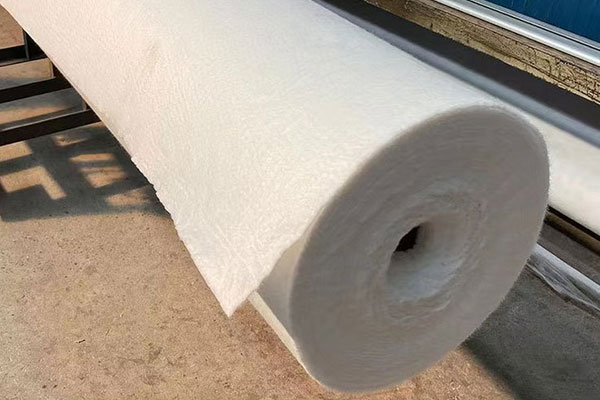
What is Polypropylene Geotextile Fabric?
Polypropylene geotextile fabric is a synthetic permeable textile made from polypropylene fibers. It is engineered to interact with soil, water, and other geotechnical materials in order to improve performance in construction and environmental projects.
There are two main types:
- Non-woven polypropylene geotextile fabric – produced by bonding fibers through heat or needle-punching
- Woven polypropylene geotextile fabric – produced by weaving polypropylene tapes or yarns together
Each type serves different engineering functions depending on strength and permeability requirements.
Key Functions of Polypropylene Geotextile Fabric
Polypropylene geotextile fabric performs several essential functions in construction and geotechnical engineering:
1. Separation
It prevents the mixing of different soil layers, such as subgrade soil and aggregate base, maintaining structural integrity.
2. Filtration
It allows water to pass while retaining soil particles, preventing clogging in drainage systems.
3. Drainage
It facilitates the movement of water within soil structures, reducing hydrostatic pressure.
4. Reinforcement
It improves the load-bearing capacity of weak soils by distributing stress more evenly.
5. Protection
It acts as a protective layer to prevent damage to geomembranes or other construction materials.
Advantages of Polypropylene Geotextile Fabric
Polypropylene geotextiles offer a wide range of benefits, making them a preferred choice in infrastructure projects worldwide.
- High Durability: Polypropylene is resistant to biological degradation, mold, and most chemicals found in soil.
- Excellent Tensile Strength: Especially in woven forms, it provides strong reinforcement for roads and slopes.
- Cost-Effective Solution: It reduces the need for thick aggregate layers, lowering overall construction costs.
- Lightweight and Easy to Install: The material is easy to transport, cut, and install on-site.
- Long Service Life: It maintains performance over long periods, even in harsh environmental conditions.
Applications of Polypropylene Geotextile Fabric
Polypropylene geotextile fabric is used in a wide range of engineering and environmental applications:
- Road Construction: Used under roads and highways to improve subgrade stability and extend pavement lifespan.
- Railway Projects: Provides separation and reinforcement for ballast layers.
- Drainage Systems: Used in French drains, retaining walls, and landfill drainage systems.
- Erosion Control: Protects slopes, riverbanks, and coastal areas from soil erosion.
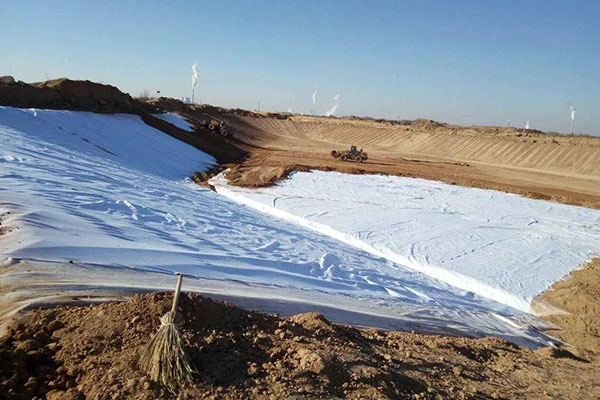
- Landfills: Acts as a separation and filtration layer in waste containment systems.
- Agricultural and Landscaping Use: Helps improve soil structure and water management in farming and landscaping projects.
Installation Guidelines
Proper installation is essential to maximize performance:
- Prepare a smooth and compacted subgrade surface
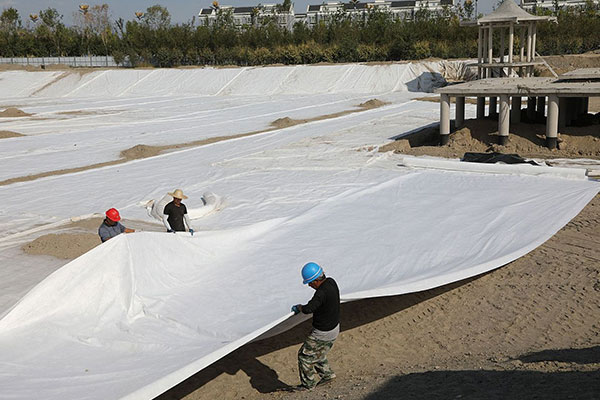
- Roll out the geotextile fabric without wrinkles
- Ensure sufficient overlap between adjacent rolls (typically 30–60 cm)
- Avoid damage during placement of aggregate or soil layers
- Secure edges to prevent displacement during construction
Incorrect installation can significantly reduce the effectiveness of the material.
Buying Guide: How to Choose the Right Geotextile
When selecting polypropylene geotextile fabric, consider the following factors:
- Project type: Road, drainage, erosion control, or reinforcement
- Soil conditions: Fine soil vs coarse gravel environments
- Strength requirements: Load-bearing capacity needed
- Water flow needs: Drainage vs filtration performance
- Installation environment: Buried or exposed conditions
Consulting with an engineering materials supplier can help ensure the correct specification is selected for long-term performance.
Conclusion
Polypropylene geotextile fabric is a versatile and essential material in modern civil engineering. Its ability to separate, filter, drain, reinforce, and protect soil structures makes it indispensable in infrastructure development.
Whether used in road construction, drainage systems, or erosion control projects, it provides a reliable and cost-effective solution for improving soil performance and extending structural lifespan.