
Single-Wall vs. Double-Wall Corrugated Pipe: Differences
Corrugated pipes are widely used for agricultural drainage, stormwater systems, road drainage, culverts, and underground water management. Two common options are single-wall and double-wall corrugated pipes.
The main difference is their internal structure: single-wall pipe has a corrugated interior, while double-wall pipe combines a corrugated outer wall with a smooth inner wall. This difference affects water flow, structural performance, installation, and cost.
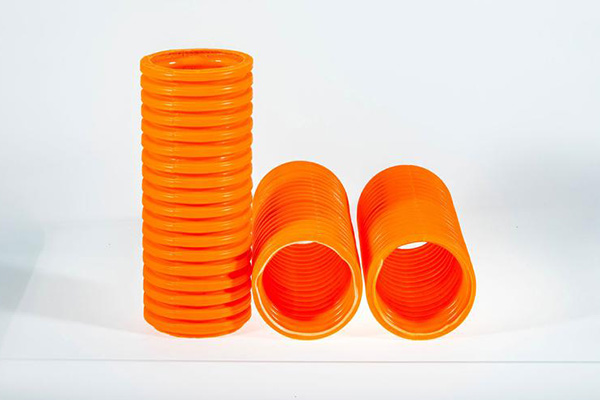
What is Single-Wall Corrugated Pipe?
Single-wall corrugated pipe consists of one corrugated wall, so both its outside and inside surfaces follow the same ribbed profile.
Its lightweight and flexible construction makes it easy to transport, bend, and install. It is commonly supplied in long coils, especially in smaller diameters.
Typical applications include:
- Agricultural field drainage
- Garden and landscape drainage
- Foundation drainage
- French drains
- Low-load subsurface drainage
- Water-table control
Single-wall corrugated HDPE pipe is often selected when flexibility, simple installation, and low initial cost are the main priorities.
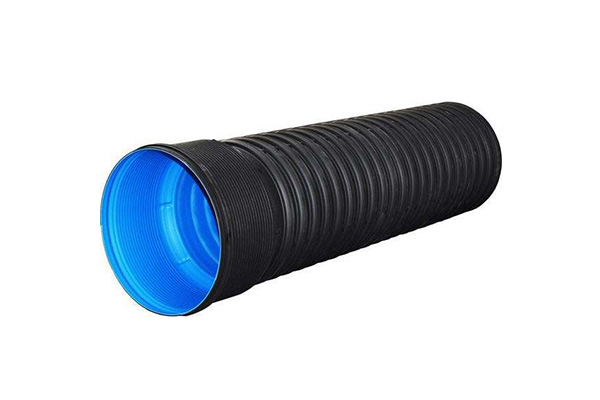
What is Double-Wall Corrugated Pipe?
Double-wall corrugated pipe has two connected wall profiles:
- A corrugated outer wall for structural support
- A smooth inner wall for efficient water flow
The exterior corrugations help the pipe resist surrounding soil pressure and external loads, while the smooth liner reduces resistance inside the pipe. Dual-wall corrugated pipe is commonly used in stormwater drainage, culverts, municipal systems, and infrastructure projects.
Single-Wall vs. Double-Wall Corrugated Pipe
| Feature | Single-Wall Pipe | Double-Wall Pipe |
|---|---|---|
| Wall structure | One corrugated wall | Corrugated exterior and smooth interior |
| Interior surface | Corrugated | Smooth |
| Water-flow efficiency | Lower | Higher |
| Flexibility | More flexible | More rigid |
| Structural performance | Suitable for lighter-duty applications | Suitable for heavier-duty applications |
| Cleaning | Debris may collect more easily | Smooth interior is easier to clean |
| Common supply form | Coils or straight lengths | Mainly straight lengths |
| Installation | Easy to bend around obstacles | Requires more accurate alignment |
| Cost | Generally lower | Generally higher |
| Typical uses | Farm, landscape and foundation drainage | Roads, culverts and stormwater systems |
Key Differences Explained
1. Pipe Structure
Single-wall pipe uses one corrugated layer. This simple construction reduces weight and material use while maintaining flexibility.
Double-wall pipe adds a smooth internal liner to the corrugated exterior. The two walls work together to provide a more rigid pipe profile and a smoother flow channel.
2. Water-Flow Capacity
The corrugated interior of single-wall pipe creates more resistance to flowing water. It may also trap sediment or debris when the drainage slope or flow velocity is insufficient.
The smooth interior of double-wall pipe provides better hydraulic performance. It is generally more suitable for systems that must carry larger volumes of stormwater over longer distances. Corrugated plastic pipe with a smooth interior is commonly used for efficient closed storm-drainage systems.
Pipe diameter, slope and inlet conditions must still be considered when calculating flow capacity.
3. Strength and Load Resistance
Double-wall pipe is generally used for more demanding buried applications, such as drainage beneath roads, parking areas, and construction sites.
However, the number of walls alone does not determine whether a pipe can support traffic loads. Its actual performance also depends on:
- Pipe stiffness
- Burial depth
- Soil type
- Bedding material
- Backfill compaction
- Installation quality
- Applicable engineering standards
A properly selected pipe can still fail if the surrounding soil is not prepared and compacted correctly.
4. Flexibility and Handling
Single-wall corrugated pipe is highly flexible. It can follow curved drainage routes and is easy to install around landscaping, agricultural fields, or existing structures.
Double-wall pipe is more rigid and is usually supplied in straight sections. This makes it suitable for maintaining a consistent slope in engineered drainage systems, but fittings may be needed when changing direction.
5. Installation and Jointing
Single-wall pipe is lightweight and can often be installed with limited equipment. Long coils also reduce the number of joints required.
Double-wall pipe normally uses couplers or bell-and-spigot connections. Some systems include gasketed joints where tighter control of water infiltration or soil entry is required. Available connection methods vary by manufacturer and project specification.
6. Maintenance
The smooth interior of double-wall pipe makes inspection, flushing, and cleaning easier. Sediment is less likely to become trapped in the internal profile.
Single-wall pipe can still provide reliable drainage, but it may require more attention in systems carrying sediment, leaves, or other debris.
7. Cost
Single-wall pipe normally has a lower purchase price and can reduce handling and installation costs.
Double-wall pipe costs more because of its additional material, smooth liner, and greater structural performance. However, it may offer better long-term value in high-flow or load-bearing applications.
Price should therefore be compared against the complete project requirements, not just the cost per meter.
Which Corrugated Pipe Should You Choose?
Choose single-wall corrugated pipe when:
- The project involves agricultural or landscape drainage.
- The pipe must follow a curved route.
- External loads are relatively low.
- Long coil lengths are preferred.
- Initial cost is a major consideration.
Choose double-wall corrugated pipe when:
- Higher flow efficiency is required.
- The pipe will be installed beneath roads or traffic areas.
- The project requires a more rigid drainage line.
- Sediment buildup and cleaning are concerns.
- The system is intended for municipal or commercial stormwater drainage.
Final selection should be based on hydraulic calculations, expected loads, burial conditions, local standards, and the manufacturer’s installation requirements.
Conclusion
Now you understand the key differences between single-wall and double-wall corrugated pipes. Single-wall pipe is flexible, lightweight, and suitable for agricultural and light-duty drainage, while double-wall pipe offers smoother water flow and greater strength for roads, stormwater systems, and other demanding applications.
Consider the required flow capacity, installation conditions, external loads, and project budget to select the right corrugated pipe for your drainage system.