
What is HDPE Liner? Uses, Benefits, and Thickness Guide
An HDPE liner is a durable, low-permeability plastic membrane used to prevent liquids and certain contaminants from migrating into the surrounding soil and groundwater. Made from high-density polyethylene (HDPE), this geomembrane is widely used in ponds, landfills, mining operations, wastewater treatment facilities, and other environmental containment projects.
In this guide, we will explain what an HDPE liner is, how it works, its main benefits, common applications, available thicknesses, and the factors to consider when choosing an HDPE liner for your project.
What is an HDPE Liner?
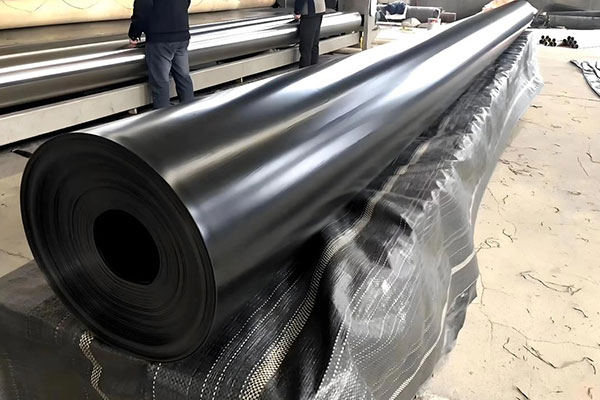
An HDPE liner, also known as an HDPE geomembrane, is a synthetic waterproofing and containment membrane manufactured primarily from high-density polyethylene resin. It is designed to provide a low-permeability barrier that limits the movement of water, wastewater, chemicals, and other liquids through the ground.
HDPE liners are typically supplied in rolls or prefabricated panels and installed over prepared surfaces. Adjacent sheets are joined using specialized thermal welding techniques to create a continuous containment barrier.
Compared with conventional clay liners, HDPE geomembranes offer consistent manufactured thickness, convenient handling, and broad application flexibility. They are commonly incorporated into engineered containment systems to reduce seepage and help protect surrounding soil and groundwater.
Key Benefits of HDPE Liners
1. Excellent Chemical Resistance
HDPE liners resist many acids, alkalis, salts, and industrial chemicals. This makes them suitable for wastewater treatment, mining operations, and industrial containment. However, compatibility should always be verified for the specific chemical, concentration, and operating temperature.
2. Low Permeability
HDPE geomembranes provide an effective barrier against liquid migration when properly installed and maintained. This property makes them suitable for water storage ponds, reservoirs, landfill liner systems, and wastewater lagoons.
3. High Mechanical Strength
HDPE liners offer good tensile strength and resistance to various mechanical stresses. Selecting the appropriate thickness and preparing the subgrade properly can help reduce the risk of punctures and installation damage.
4. UV and Weather Resistance
HDPE geomembranes formulated with suitable UV stabilizers and carbon black can withstand prolonged outdoor exposure. This makes them suitable for exposed applications, although actual durability depends on the product formulation and environmental conditions.
5. Long-Term Durability
When correctly specified, installed, and protected, HDPE liners can provide long-term containment performance. Their service life depends on factors such as temperature, chemical exposure, UV radiation, and installation quality.
Common Applications of HDPE Liners
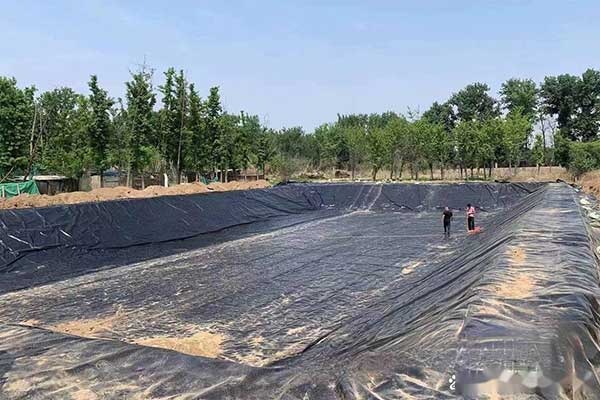
HDPE liners are used in various industries to control seepage and improve environmental protection.
- Pond and reservoir lining: Helps reduce water loss in agricultural ponds, irrigation reservoirs, fish farms, and water storage basins.
- Landfill containment: Serves as a barrier component in engineered landfill systems to help control leachate migration and protect groundwater.
- Mining operations: Used in heap leach pads, tailings facilities, and process water ponds where chemical resistance and reliable containment are important.
- Wastewater treatment: Lines treatment lagoons, sludge containment areas, and industrial wastewater storage basins.
- Agriculture and aquaculture: Helps maintain water levels and reduce seepage in irrigation and fish farming projects.
- Industrial containment: Used in liquid storage basins and secondary containment systems, subject to chemical compatibility requirements.
The required liner specification varies according to the application, site conditions, regulatory requirements, and overall engineering design.
HDPE Liner Thickness Guide
HDPE liners are available in different thicknesses to meet varying project requirements. Common options include 0.5 mm, 0.75 mm, 1.0 mm, 1.5 mm, and 2.0 mm.
| Thickness | Typical Applications |
|---|---|
| 0.5 mm | Selected light-duty pond lining applications |
| 0.75 mm | Small ponds and agricultural water storage |
| 1.0 mm | General pond lining and water containment |
| 1.5 mm | Larger ponds, wastewater lagoons, and selected industrial projects |
| 2.0 mm | Demanding containment applications, including certain landfill and mining projects |
These examples are general guidelines rather than universal specifications. The correct thickness depends on subgrade conditions, puncture risk, hydraulic head, slope stability, installation methods, and applicable standards.
Smooth HDPE Liner vs. Textured HDPE Liner
HDPE geomembranes are available in smooth and textured surface finishes.
Smooth HDPE liner has an even surface and is commonly used for pond lining, water storage, and general containment applications where the required interface friction can be achieved.
Textured HDPE liner has a roughened surface designed to improve friction between the membrane and adjacent materials. It is often considered for steep slopes, landfill systems, and mining facilities where interface stability is important.
The choice depends on slope conditions, adjacent materials, and engineering requirements. For projects involving steep slopes, interface friction and slope stability should be evaluated by qualified engineers.
How to Install an HDPE Liner
Proper installation is essential for achieving reliable containment performance. A typical installation process includes the following steps:
- Prepare the subgrade: Remove sharp rocks, roots, and debris, then grade and compact the surface according to project specifications.
- Install protective layers: Use geotextiles or other protective materials where required to reduce puncture and abrasion risks.
- Deploy the liner: Position the HDPE geomembrane according to the installation plan, avoiding dragging or damaging the material.
- Weld the seams: Join adjacent sheets using suitable thermal fusion equipment and qualified welding procedures.
- Inspect and test: Check the seams and conduct appropriate quality control tests according to the project requirements.
- Complete the installation: Secure the liner, install protective cover materials if needed, and inspect the finished system before use.
For large-scale or regulated projects, installation should follow approved engineering drawings and quality assurance procedures.
How to Choose the Right HDPE Liner
Before purchasing, consider the following factors:
- Material quality: Request technical data sheets, test reports, and information about raw material quality.
- Thickness and dimensions: Confirm the required thickness, roll width, roll length, and total quantity.
- Product standards: Check compliance with relevant ASTM, GRI-GM, or project-specific requirements.
- Manufacturing capacity: Ensure the supplier can meet your order volume and delivery schedule.
- Technical support: Look for assistance with product selection, installation guidance, and quality documentation.
For international buyers, it is also important to confirm packaging, shipping arrangements, and export documentation.
Conclusion
HDPE liners provide a reliable, low-permeability barrier for water containment, environmental protection, mining, and industrial projects. Their chemical resistance, mechanical strength, and durability make them a widely used geomembrane solution.
When selecting an HDPE liner, consider the application, thickness, surface type, chemical compatibility, installation conditions, and relevant technical standards.
Looking for a reliable HDPE liner supplier? Contact our team to discuss your project requirements, including thickness, roll dimensions, surface finish, and order quantity. We can help you identify a suitable geomembrane solution for your application.