
What is HDPE Geomembrane Used For?
If you’re working on a project that involves water, waste, chemicals, or soil protection, you may have come across HDPE geomembrane. But what exactly is it used for, and why is it so common in construction and environmental projects?
In simple terms, HDPE geomembrane is a strong, flexible plastic liner used to stop liquids and other substances from passing through the soil. It creates a reliable barrier between the ground and whatever material needs to be contained.
Because it is waterproof, durable, and resistant to many chemicals, HDPE geomembrane is widely used in landfills, ponds, wastewater treatment plants, mining projects, agriculture, and many other applications.
HDPE Geomembrane Explained
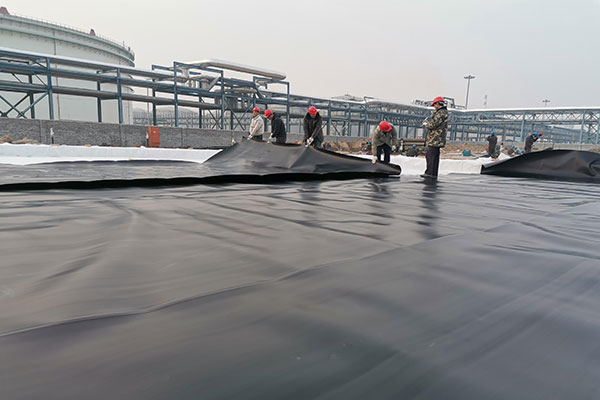
HDPE geomembrane is a synthetic membrane made from high-density polyethylene (HDPE). It is usually supplied in large rolls and installed over prepared soil, concrete, or other surfaces.
The main job of the geomembrane is simple: contain something or protect something.
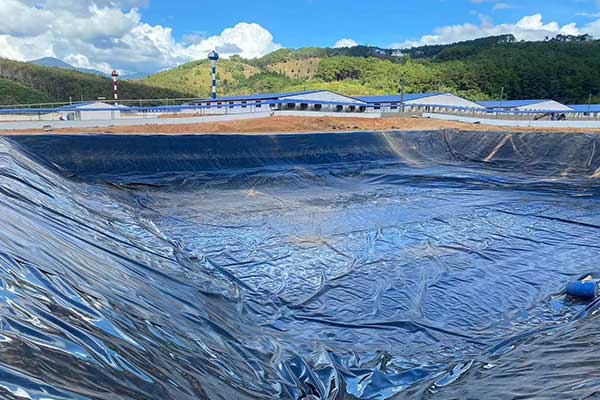
For example, if you build a pond without a liner, water can slowly seep into the surrounding soil. With an HDPE geomembrane liner, the water stays where you want it.
Depending on the project, HDPE geomembranes are available in different thicknesses and surface finishes, such as smooth or textured membranes.
What is HDPE Geomembrane Used For?
HDPE geomembrane has a wide range of uses. Here are some of the most common ones.
1. Landfill Liner Systems
One of the most important applications is in landfill construction.
Landfill waste can produce leachate, which may contain harmful substances. If this liquid reaches the surrounding soil or groundwater, it can create serious environmental problems.
HDPE geomembrane is installed as part of the landfill liner system to help prevent leachate from migrating into the ground.
For large landfill projects, the geomembrane is often combined with other geosynthetic materials, such as geotextiles, drainage layers, and geosynthetic clay liners.
2. Wastewater Treatment
HDPE geomembrane is also commonly used in wastewater treatment plants and sewage treatment facilities.
It can be used to line:
- Wastewater ponds
- Sewage lagoons
- Anaerobic lagoons
- Sludge storage areas
- Treatment ponds
- Secondary containment areas
The liner helps keep wastewater contained and reduces the risk of leakage into the surrounding environment.
3. Water Reservoirs and Storage Ponds
Need to store water without losing it into the ground? That’s another job HDPE geomembrane does very well.
It is widely used for water reservoirs, irrigation ponds, farm ponds, and water storage tanks.
For agricultural projects, an HDPE pond liner can help reduce water loss caused by seepage. This can be particularly useful in areas where water resources are limited.
4. Aquaculture and Fish Ponds
HDPE geomembrane is also used for fish farming and aquaculture ponds.
Instead of allowing water to disappear into the soil, the liner creates a waterproof barrier that helps maintain a stable water level.
A properly designed liner system can also make pond maintenance easier and provide better control over the pond environment.
5. Mining Projects
Mining is another major application for HDPE geomembrane.
Mining operations often involve water, chemicals, tailings, and other materials that need to be carefully contained. HDPE liners can be used in:
- Heap leach pads
- Tailings ponds
- Evaporation ponds
- Process water ponds
- Mining wastewater facilities
- Containment areas
HDPE is particularly useful in these applications because it offers good resistance to many chemicals and harsh environmental conditions.
6. Agricultural Applications
In agriculture, HDPE geomembrane is often used for irrigation ponds, water storage, canals, and farm reservoirs.
For example, farmers can use an HDPE liner to create a water storage pond. The liner helps reduce seepage, allowing more of the stored water to be used for irrigation.
It can also be used in agricultural waste containment systems where liquids need to be isolated from the surrounding soil.
7. Biogas and Anaerobic Digesters
HDPE geomembrane can also be used in biogas plants and anaerobic digestion systems.
In these projects, geomembranes may be used for lagoons and containment structures that store organic waste and wastewater.
Some systems also use specialized geomembrane covers to help contain biogas generated during the digestion process.
8. Chemical and Industrial Containment
Industrial facilities often need to store liquids that could potentially contaminate soil or groundwater.
HDPE geomembrane can be used as a secondary containment liner beneath storage areas, tanks, chemical facilities, and industrial ponds.
However, the chemical compatibility of the specific HDPE membrane should always be checked before installation. Not every geomembrane is suitable for every chemical.
Why is HDPE Geomembrane So Widely Used?
So, why choose HDPE instead of another type of liner?
There are several reasons.
- Excellent waterproofing: HDPE geomembrane has very low permeability, making it highly effective for liquid containment.
- Good chemical resistance: It can withstand exposure to many chemicals, which is important in landfill, mining, wastewater, and industrial applications.
- High durability: HDPE has good resistance to environmental stress, puncture, and many common installation challenges when properly specified and installed.
- UV resistance: Formulations containing appropriate carbon black and stabilizers can provide good resistance to long-term UV exposure.
- Flexible installation: Although HDPE is a relatively stiff geomembrane compared with some other polymers, large sheets can be fabricated and welded to create extensive liner systems.
- Long service life: When the right material is selected and properly installed, HDPE geomembrane can provide long-term containment performance.
Final Thoughts
Now that you understand what HDPE geomembrane is used for. From water storage and wastewater treatment to landfills and mining, it provides a reliable barrier against leakage and contamination. With the right thickness and proper installation, HDPE geomembrane can offer long-lasting protection and containment.