
Geogrid for Driveways: Everything You Need to Know
A stable driveway requires a strong foundation that can withstand vehicle loads, rainfall, and changing ground conditions. Weak soil and poorly compacted aggregate can lead to rutting, settlement, and frequent maintenance.
Geogrid for driveways helps reinforce aggregate base layers, improve ground stability, and reduce lateral movement under traffic loads. It is commonly used for gravel driveways, residential access roads, and other pavement applications.
In this guide, we explain the benefits of driveway geogrids, installation methods, and how to choose the right product for your project.
What is Geogrid?
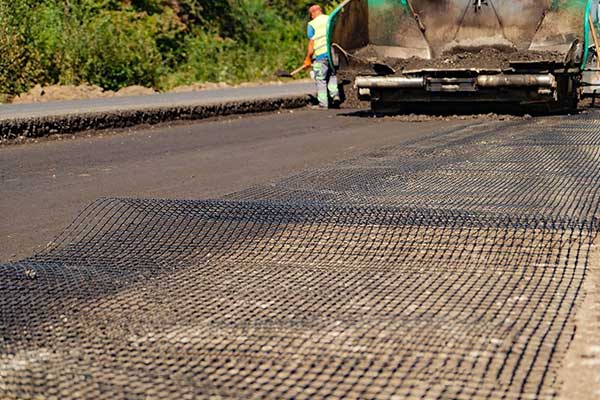
Geogrid is a polymer geosynthetic material with an open-grid structure, commonly manufactured from polypropylene (PP) or high-density polyethylene (HDPE).
When incorporated into a driveway’s aggregate base, geogrid interacts with surrounding particles to provide lateral restraint and improve load distribution. This helps stabilize the base and reduce deformation under repeated vehicle traffic.
Geogrid is particularly useful for driveways built on weak subgrades or areas where aggregate movement and rutting are recurring problems.
Benefits of Using Geogrid for Driveways
1. Reduce Rutting
Repeated vehicle loads can cause gravel to move sideways and sink into weak soil. Geogrid helps restrain aggregate movement, reducing rutting and improving driveway stability.
2. Improve Load Distribution
Geogrid reinforces the granular base, helping distribute vehicle loads more effectively across the supporting ground. This can benefit driveways exposed to frequent traffic or occasional heavy vehicles.
3. Reduce Maintenance
By improving base stability, geogrid can help reduce aggregate displacement and recurring repairs. Actual maintenance savings depend on soil conditions, drainage, traffic, and installation quality.
4. Optimize Aggregate Usage
In suitable projects, engineered geogrid reinforcement may allow a reduction in aggregate base thickness, potentially lowering excavation, material, and transportation costs. Any reduction should be supported by an appropriate engineering design.
Where Can Driveway Geogrid Be Used?
Geogrid can support several types of driveway and access-road projects:
- Gravel driveways: Improve aggregate base stability and reduce rutting.
- Residential driveways: Reinforce foundations where soil strength is limited.
- Private access roads: Help maintain a stable base under repeated vehicle loads.
- Soft or clayey soils: Improve aggregate reinforcement when combined with suitable drainage and, where required, geotextile separation.
- Asphalt and concrete driveways: Reinforce the granular foundation as part of an engineered pavement system.
The level of benefit depends on the ground conditions and the design of the complete driveway structure.
Geogrid vs. Geotextile vs. Gravel Grid
These products serve different purposes and should be selected according to the project’s requirements.
| Material | Main function |
|---|---|
| Geogrid | Reinforces aggregate and improves base stability |
| Geotextile | Separates soil from aggregate and provides filtration where specified |
| Gravel stabilization grid | Holds loose surface gravel within individual cells |
For weak subgrades, geogrid and geotextile may be used together. If the main problem is loose decorative gravel spreading across the surface, a gravel stabilization grid may be more appropriate.
How to Install Geogrid for Driveways
Correct installation is essential for achieving the intended reinforcement performance.
Step 1: Prepare the subgrade
Remove vegetation and unsuitable soil, assess ground conditions, and establish proper drainage.
Step 2: Install geotextile if required
Where soil and aggregate mixing is a concern, install a suitable separator according to the project specifications.
Step 3: Lay the geogrid
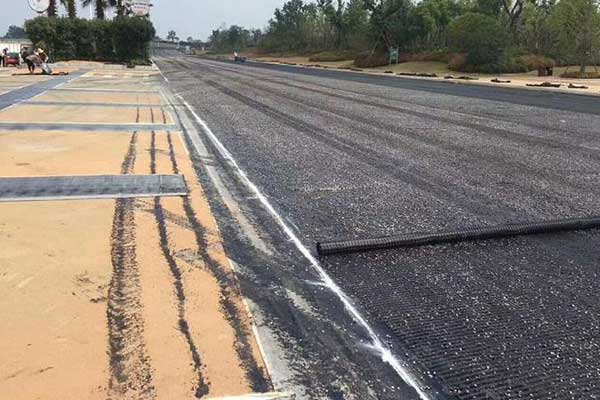
Roll out the material over the prepared formation or at the specified position within the aggregate base. Keep it flat and follow the required overlap details.
Step 4: Place the aggregate
Spread suitable granular material using methods that minimize geogrid displacement or damage.
Step 5: Compact the base
Compact the aggregate to the specified thickness and density before installing the finished gravel, asphalt, concrete, or paving surface.
Always follow the manufacturer’s installation instructions and the project’s engineering requirements.
How to Choose the Right Geogrid for Driveways
Before purchasing geogrid, evaluate the following factors:
- Geogrid type: Biaxial and other geogrid configurations offer different reinforcement characteristics.
- Tensile properties: Consider strength, stiffness, junction performance, and verified test data.
- Aperture size: Ensure compatibility between the geogrid openings and the selected aggregate.
- Material durability: Evaluate polymer properties and resistance to expected environmental conditions.
- Project requirements: Consider subgrade strength, traffic loads, drainage, and required base thickness.
Tensile strength alone is not sufficient to determine whether a geogrid is suitable. Product selection should reflect the complete project design.
Common Mistakes to Avoid
Avoid these common driveway construction mistakes:
- Ignoring drainage and waterlogged subgrade conditions.
- Using unsuitable aggregate or inadequate compaction.
- Installing geogrid without preparing the ground.
- Reducing base thickness without engineering support.
- Confusing structural geogrid with surface gravel stabilization grids.
Addressing these issues helps improve the performance and durability of the driveway system.
Conclusion
Choosing the right geogrid can help improve driveway base stability and reduce aggregate movement when the product is correctly specified and installed.
Shelter supplies geogrid solutions for ground reinforcement and civil engineering applications. Contact Shelter to discuss your project requirements and request product specifications or a quotation.