
2mm HDPE Liner: Features, Benefits, and Applications
A 2mm HDPE liner is a durable geomembrane designed to prevent liquid leakage and protect soil and groundwater from contamination. Made from high-density polyethylene (HDPE), it offers low permeability, good chemical resistance, and strong mechanical properties. It is widely used in landfills, mining operations, wastewater treatment plants, and agricultural ponds.
Choosing the right 2mm HDPE liner can help improve containment performance and extend the service life of your project.
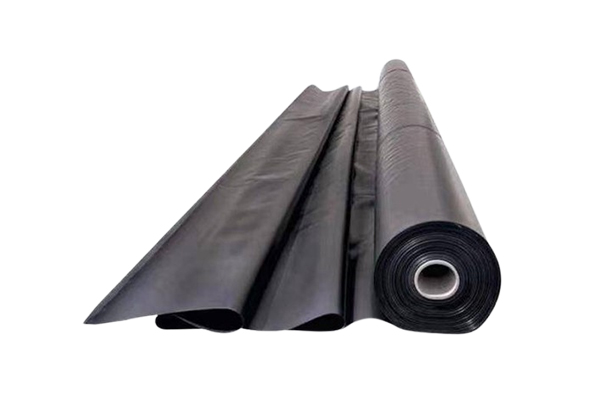
What is a 2mm HDPE Liner?
A 2mm HDPE liner is a waterproof geomembrane with a nominal thickness of 2 millimeters. It creates a low-permeability barrier between the ground and contained liquids or waste materials.
Compared with thinner geomembranes, a 2mm HDPE liner generally provides greater mechanical protection and puncture resistance. It is suitable for many projects that require reliable leakage control and long-term durability.
HDPE liners are available in smooth and textured finishes to meet different installation and engineering requirements.
Key Benefits of a 2mm HDPE Liner
1. Excellent Waterproofing
HDPE geomembranes have very low permeability, helping prevent water and compatible liquids from seeping into the surrounding soil. This makes them suitable for ponds, reservoirs, and waste containment facilities.
2. Good Chemical Resistance
HDPE resists many acids, alkalis, salts, and industrial chemicals. This makes a 2mm HDPE liner a practical choice for mining and industrial applications. However, chemical compatibility should always be verified for the intended use.
3. High Mechanical Strength
The 2mm thickness provides good resistance to punctures, tearing, and mechanical stress compared with thinner products of similar construction. Proper subgrade preparation and protective measures are still essential.
4. UV and Weather Resistance
HDPE liners formulated with suitable UV stabilizers can withstand outdoor exposure and changing weather conditions. Their actual service life depends on material quality, environmental conditions, and installation practices.
5. Long-Term Durability
When properly selected, installed, and maintained, a 2mm HDPE liner can provide reliable containment performance for many years, helping reduce leakage risks and maintenance requirements.
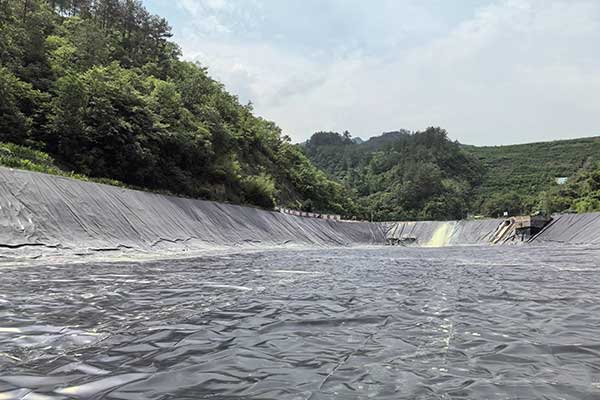
Common Applications of 2mm HDPE Liners
A 2mm HDPE liner can be used in various environmental, agricultural, and industrial projects.
- Landfills: Helps prevent leachate from migrating into surrounding soil and groundwater.
- Mining operations: Used in selected tailings storage facilities, process water ponds, and containment systems.
- Wastewater treatment: Lines treatment ponds and storage basins to control leakage.
- Agricultural ponds: Helps retain water in irrigation ponds and reservoirs.
- Aquaculture: Used in fish and shrimp ponds to reduce seepage and maintain water levels.
- Industrial containment: Provides a barrier for compatible liquids in storage ponds and containment basins.
The required liner thickness depends on project specifications, site conditions, and applicable regulations.
How to Choose a Reliable 2mm HDPE Liner Supplier
Choosing a reliable supplier is important for ensuring consistent product quality and smooth project execution.
First, check the manufacturer’s technical data sheets, material specifications, and relevant test reports. These documents help verify that the product meets your project requirements.
Next, confirm the roll dimensions, surface finish, and material properties before ordering. For large projects, wider rolls may help reduce the number of field seams, depending on transportation and installation conditions.
You should also consider the supplier’s ability to provide technical support and consistent product quality. Working with an experienced supplier can make product selection and project planning easier.
Installation Tips for 2mm HDPE Liners
Proper installation is essential for achieving reliable performance.
- Prepare the ground: Remove sharp objects, debris, and other materials that could damage the liner.
- Inspect the material: Check the rolls for visible damage and confirm that the specifications meet project requirements.
- Weld the seams correctly: Use suitable thermal fusion welding equipment and conduct the required seam inspections and tests.
- Protect the liner: Prevent damage from construction equipment and sharp materials. Use protective geotextiles when required by the project design.
- Complete quality checks: Inspect the installed liner and verify seam integrity before covering it with soil or other materials.
Following these steps helps reduce installation defects and improve the reliability of the containment system.
Conclusion
A 2mm HDPE liner provides reliable leakage control, chemical resistance, and durability for a wide range of containment projects. From landfills and mining facilities to agricultural ponds and wastewater treatment plants, it offers a practical solution for protecting soil and water resources.
Shelter supplies HDPE geomembrane solutions for various project requirements. Contact Shelter today to learn more about our 2mm HDPE liners and request a competitive quotation.