
Geotextile Fabric for Driveways: Complete Guide
If your driveway keeps developing potholes, sinking areas, or drainage problems, the issue often isn’t the top layer—it’s what’s underneath. One of the most effective and widely used solutions in modern road construction and landscaping is geotextile fabric for driveways.
This simple-looking material plays a powerful role in stabilizing ground, improving drainage, and dramatically extending the lifespan of gravel, asphalt, or paver driveways.
What is Geotextile Fabric?
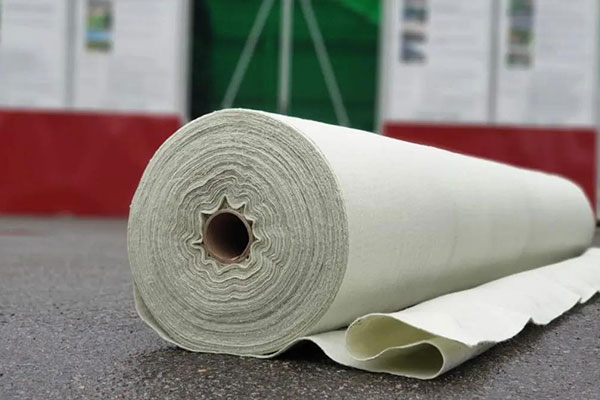
Geotextile fabric is a synthetic permeable textile used in civil engineering and construction projects. It is typically made from polypropylene or polyester and designed to interact with soil while allowing water to pass through.
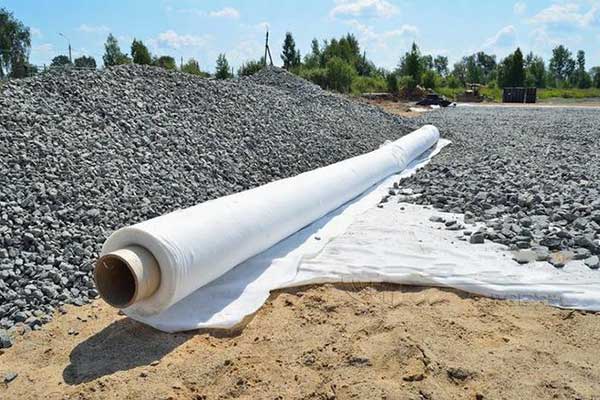
In driveway construction, it is installed between the subgrade (soil) and the aggregate base (gravel or crushed stone).
Its main functions include:
- Separation of soil and aggregate layers
- Reinforcement of weak ground
- Drainage improvement
- Filtration of water while retaining soil particles
Why Use Geotextile Fabric for Driveways?
A driveway is constantly under stress from vehicle weight, weather changes, and water infiltration. Without proper reinforcement, problems such as rutting, potholes, and sinking areas can appear quickly.
Here are the key benefits of using geotextile fabric:
1. Prevents Soil and Gravel Mixing
Without fabric, gravel gradually sinks into the soil while mud rises into the base layer. Geotextile fabric acts as a barrier, keeping layers separate and maintaining structural integrity.
2. Improves Load Distribution
It spreads vehicle loads more evenly across the surface, reducing pressure points that cause deformation and cracking in the base layer.
3. Enhances Drainage
Water can pass through geotextile fabric, but soil particles cannot. This prevents water buildup under the driveway, reducing erosion and soft spots.
4. Reduces Maintenance Costs
By stabilizing the base layer, geotextile fabric reduces the need for frequent gravel replenishment and repair work.
5. Extends Driveway Lifespan
A properly installed geotextile layer can significantly increase the durability of gravel and unpaved driveways.
Types of Geotextile Fabric for Driveways
Choosing the right type of geotextile fabric is essential for performance.
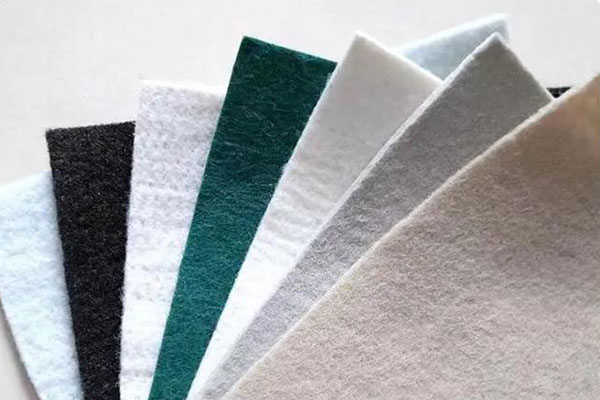
Woven Geotextile Fabric
- High tensile strength
- Best for heavy-load driveways and industrial access roads
- Excellent for reinforcement applications
Non-Woven Geotextile Fabric
- Superior filtration and drainage
- Ideal for residential driveways and landscaping
- Better for separating fine soils and preventing clogging
In many driveway projects, woven fabric is used for strength, while non-woven fabric is used for drainage layers depending on soil conditions.
How to Install Geotextile Fabric Under a Driveway
Proper installation is critical to achieving full performance benefits.
Step 1: Prepare the Ground
Remove vegetation, topsoil, and debris. Level and compact the subgrade as much as possible.
Step 2: Roll Out the Fabric
Unroll the geotextile fabric across the prepared surface. Make sure it fully covers the driveway area.
Step 3: Overlap Edges
Overlap adjacent sheets by at least 15–30 cm to prevent soil intrusion between seams.
Step 4: Add Gravel Base
Spread a layer of crushed stone or gravel over the fabric. Typically, 10–20 cm for residential driveways, more for heavy-duty use.
Step 5: Compact the Surface
Use a roller or plate compactor to firmly compact the gravel layer.
Common Mistakes to Avoid
Even high-quality geotextile fabric will fail if installed incorrectly. Avoid these mistakes:
- Skipping ground preparation
- Using the wrong fabric type for load conditions
- Insufficient overlap between sheets
- Not compacting the base layer properly
- Using rounded gravel instead of crushed stone
Is Geotextile Fabric Worth It for Driveways?
Yes. While it adds a small upfront cost, geotextile fabric often saves significantly more in long-term maintenance and repairs. It is especially valuable in areas with soft soil, high rainfall, or frequent heavy vehicle traffic.
For gravel driveways in particular, it is one of the most cost-effective ways to improve performance and durability.
Final Thoughts
Using geotextile fabric for driveways is one of the most effective ways to build a stable, long-lasting, and low-maintenance surface. By separating soil from aggregate, improving drainage, and distributing loads, it prevents the most common driveway problems before they start.
If you are planning a new driveway or upgrading an existing one, incorporating geotextile fabric at the base layer is a simple decision that delivers long-term structural benefits and cost savings.