
What is a Geosynthetic Clay Liner?
A geosynthetic clay liner is a modern engineered hydraulic barrier used in environmental protection and civil engineering projects. It is designed to prevent liquids such as water, leachate, or chemical solutions from migrating through soil layers. This makes it an essential material in landfills, mining operations, water containment systems, and infrastructure projects.
In simple terms, a geosynthetic clay liner is a factory-produced waterproof layer that combines natural clay with geosynthetic materials to create a highly effective sealing system.
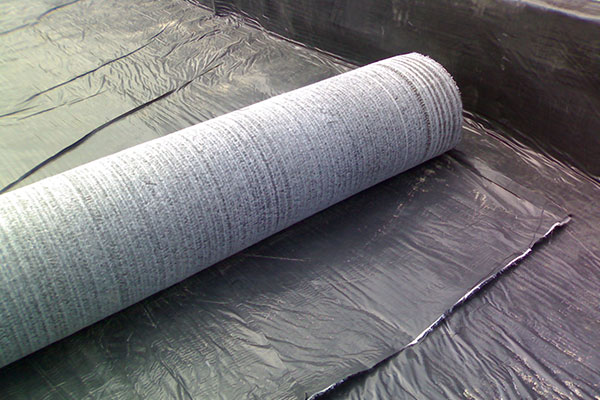
Definition of a Geosynthetic Clay Liner
A geosynthetic clay liner is a manufactured hydraulic barrier consisting of a thin layer of bentonite clay sandwiched between two geotextiles or bonded to a geomembrane.
When hydrated, the bentonite swells and forms a dense, low-permeability barrier that effectively blocks water and leachate migration.
This makes geosynthetic clay liner a key component in modern containment systems used in environmental protection and geotechnical engineering.
Structure of a Geosynthetic Clay Liner
A geosynthetic clay liner is typically composed of three main layers:
1. Upper Geotextile Layer
This layer protects the internal clay core and allows water to pass through so the clay can activate.
2. Bentonite Clay Core
The core material is usually sodium bentonite, a natural clay with strong swelling properties. When it comes into contact with water, it expands and forms a dense, impermeable barrier.
3. Lower Geotextile or Geomembrane Layer
This layer supports the structure, provides stability, and helps prevent loss of clay particles.
These layers are usually bonded together through needle-punching or stitching to improve internal strength and durability.
How Does a Geosynthetic Clay Liner Work?
The performance of a geosynthetic clay liner depends on the swelling ability of bentonite. When exposed to water:
- The bentonite absorbs moisture
- It expands significantly
- The particles fill voids between soil grains
- A nearly impermeable gel layer forms
This process reduces hydraulic conductivity to extremely low levels, often comparable to compacted clay liners but with more consistent performance.
Key Properties of Geosynthetic Clay Liners
Geosynthetic clay liners are widely used because of their strong engineering performance:
- Very low hydraulic conductivity
- Self-sealing capability for minor punctures
- High chemical resistance
- Consistent factory-controlled quality
- Easier and faster installation compared to compacted clay systems
- Long-term durability under proper conditions
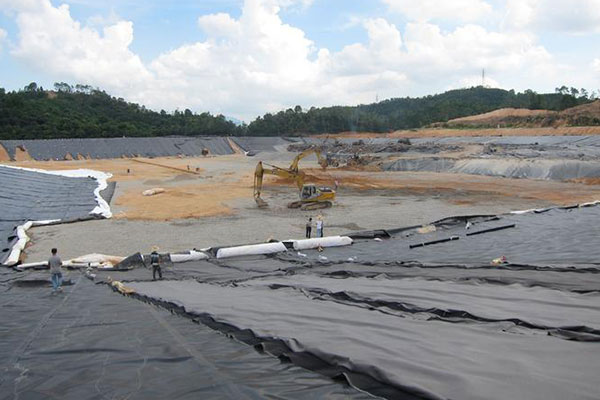
Applications of Geosynthetic Clay Liners
Geosynthetic clay liners are used in a wide range of engineering and environmental projects:
- Landfill Engineering: Used as bottom liners and final cover systems to prevent leachate from contaminating groundwater.
- Mining Industry: Helps contain tailings and prevents the spread of harmful chemicals into surrounding soil and water.
- Water Containment Projects: Applied in ponds, reservoirs, canals, and irrigation systems to reduce seepage loss.
- Environmental Protection Systems: Used to isolate industrial waste and hazardous materials from the natural environment.
- Road and Infrastructure Projects: Serves as a moisture barrier beneath roads, embankments, and other civil structures.
Advantages of Geosynthetic Clay Liners
Geosynthetic clay liners offer several key benefits:
- Faster installation than compacted clay
- Reduced construction cost
- Lower material thickness requirement
- Reliable hydraulic performance
- Excellent long-term durability
- Easy transportation and handling
Limitations of Geosynthetic Clay Liners
While highly effective, geosynthetic clay liner also has some limitations:
- Not ideal for extremely dry conditions without hydration
- Requires proper overlap and installation technique
- Can be affected by repeated freeze-thaw cycles in harsh climates
- Needs protective layers in high-stress applications
Environmental Importance
Geosynthetic clay liners play an important role in protecting soil and groundwater from contamination. As environmental regulations become stricter worldwide, they are increasingly used in waste containment and sustainable infrastructure projects.
They help reduce environmental risks while improving construction efficiency, making them a key material in modern geotechnical engineering.
Conclusion
A geosynthetic clay liner is a highly effective engineered barrier that combines bentonite clay with geotextiles to create a durable, low-permeability sealing system. It is widely used in landfills, mining, water containment, and civil engineering projects due to its excellent hydraulic performance, cost efficiency, and ease of installation.
If you are looking for a reliable geosynthetic clay liner supplier, Shelter offers high-quality products, competitive pricing, and professional support for projects worldwide. Contact us today to get a customized solution and a free quote.