
Where Are HDPE Pipes Used?
High-Density Polyethylene (HDPE) pipes have become one of the most widely used piping solutions across multiple industries. Known for their durability, flexibility, and corrosion resistance, HDPE pipes are replacing traditional materials like steel, concrete, and PVC in many applications.
In this article, we’ll explore where HDPE pipes are used, their key advantages, and why they are the preferred choice in modern infrastructure projects.
What Are HDPE Pipes?
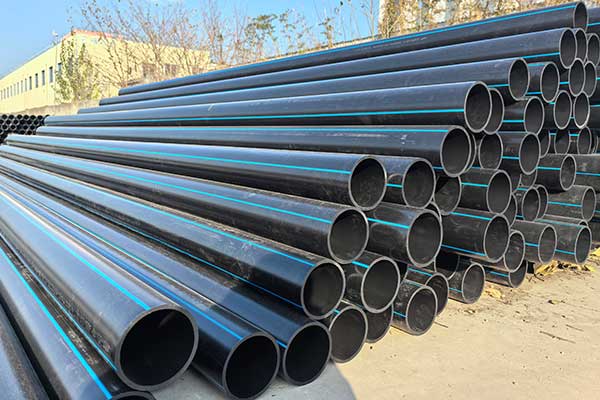
HDPE pipes are made from high-density polyethylene, a thermoplastic polymer that offers excellent strength-to-density ratio. These pipes are lightweight, flexible, and highly resistant to chemicals and environmental stress.
Key Advantages of HDPE Pipes
Before diving into applications, it’s important to understand why HDPE pipes are so popular:
- Corrosion-resistant (ideal for harsh environments)
- Long service life (50+ years)
- Leak-proof joints (heat fusion welding)
- Flexible and impact-resistant
- Low maintenance cost
- Environmentally friendly and recyclable
Where Are HDPE Pipes Used?
HDPE pipes are used across a wide range of industries. Below are the most common applications:
1. Water Supply Systems
HDPE pipes are extensively used in municipal and rural water supply systems.
Applications include:
- Drinking water distribution
- Underground water pipelines
- Residential and commercial water supply
Why HDPE?
- Non-toxic and safe for potable water
- Leak-free connections reduce water loss
- Resistant to scaling and corrosion
2. Sewage and Drainage Systems
HDPE pipes are ideal for wastewater and sewage transport.
Common uses:
- Sewer pipelines
- Stormwater drainage systems
- Industrial wastewater discharge
Benefits:
- Smooth inner surface prevents clogging
- High chemical resistance
- Long-lasting in underground environments
3. Agricultural Irrigation
Agriculture is one of the largest users of HDPE pipes.
Applications:
- Drip irrigation systems
- Sprinkler irrigation
- Water transport in farms
Why farmers prefer HDPE:
- Lightweight and easy to install
- UV-resistant for outdoor use
- Cost-effective for large-scale farming
4. Gas Distribution
HDPE pipes are widely used in natural gas and LPG distribution networks.
Key advantages:
- High resistance to pressure and impact
- Leak-proof fusion joints improve safety
- Flexible for underground installations
5. Industrial Applications
Many industries rely on HDPE pipes for transporting chemicals and fluids.
Industries include:
- Chemical plants
- Mining operations
- Food processing
- Power plants
Why HDPE works well:
- Strong chemical resistance
- Can handle abrasive materials (slurry transport)
- Durable in harsh conditions
6. Cable Protection (Telecom & Electrical)
HDPE pipes are commonly used as protective conduits.
Applications:
- Fiber optic cable protection
- Underground electrical conduits
- Telecom duct systems
Benefits:
- Protects cables from moisture and damage
- Flexible for easy routing
- Long service life underground
7. Marine and Coastal Projects
HDPE pipes perform exceptionally well in marine environments.
Uses include:
- Seawater intake and discharge
- Floating pipelines
- Dredging operations
Why HDPE?
- Resistance to salt water corrosion
- Can float on water
- Strong and durable in harsh marine conditions
8. Mining and Slurry Transport
Mining operations use HDPE pipes for transporting abrasive materials.
Applications:
- Slurry pipelines
- Tailings transport
- Mine dewatering systems
Advantages:
- High abrasion resistance
- Flexible and impact-resistant
- Lower replacement cost compared to steel
9. Road and Infrastructure Projects
HDPE pipes are widely used in infrastructure development.
Examples:
- Highway drainage systems
- Culverts
- Underground utility pipelines
Why preferred:
- Easy installation reduces labor costs
- Strong enough to withstand soil pressure
- Long lifespan reduces maintenance
Conclusion
HDPE pipes are a versatile and reliable solution used across water supply, agriculture, gas distribution, industrial processes, and infrastructure projects. Their durability, flexibility, and cost-effectiveness make them the top choice for modern piping systems.