
What is a Steel Prop? A Comprehensive Guide
Steel props are essential tools in modern construction, particularly in the support and safety of scaffolding systems. These versatile, adjustable structures provide temporary support for vertical loads during construction, renovation, or demolition projects. But what exactly is a steel prop, and why is it so crucial for ensuring structural integrity during construction? In this guide, we’ll explore everything you need to know about steel props, their uses, and why they are a vital component in the construction industry.
What is a Steel Prop?
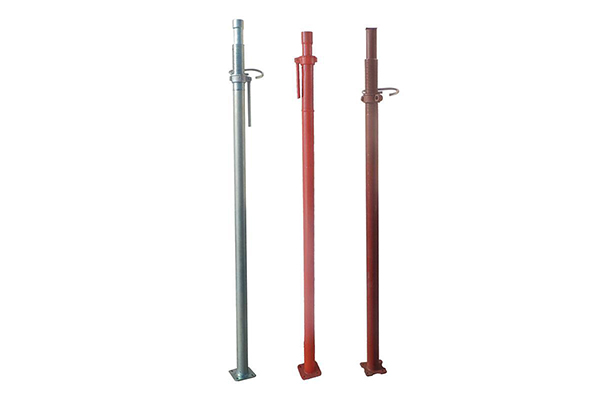
A steel prop, also known as a shoring prop or adjustable steel prop, is a telescopic, cylindrical steel support used in construction to hold up temporary structures. They are primarily used to support slabs, beams, or walls during building projects. Steel props can be adjusted in height, making them ideal for supporting horizontal elements in various stages of construction.
How Steel Props Work
Steel props are simple to use yet highly effective. Typically, a steel prop consists of the following components:
- Outer tube: The main body of the prop, usually made from steel, which provides the structure for the prop.
- Inner tube: This is the adjustable section inside the outer tube that can slide up or down, allowing the prop to adjust in height.
- Adjustable collar: A mechanism at the top or bottom of the prop that locks the inner tube in place once the desired height is achieved.
- Base plate: Placed at the bottom of the prop to distribute the load evenly across the surface.
To use a steel prop, workers extend or retract the inner tube, then secure it with the adjustable collar. The prop is then positioned in place, often underneath beams, slabs, or other structures that require temporary support.
Key Features of Steel Props
- Adjustable Height: One of the key benefits of a steel prop is its ability to adjust in height. This flexibility makes it perfect for supporting structures at varying levels of elevation during different construction stages.
- Durable Steel Construction: Made from high-strength steel, steel props can bear significant loads, making them ideal for heavy-duty applications. Steel also provides excellent resistance to corrosion, which enhances their lifespan and reliability.
- Safety and Stability: Steel props are designed to offer stability and prevent accidental collapse of temporary structures. Their robust construction ensures that they can handle vertical loads safely.
- Easy to Use: Steel props are designed for quick installation and removal, which helps to streamline construction processes and reduce labor time.
Common Uses of Steel Props in Construction
Steel props are widely used in various types of construction and renovation projects, including:
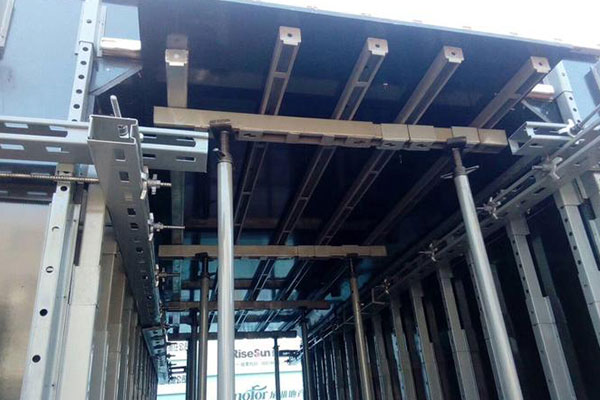
- Shoring Walls and Slabs: Steel props are often employed to support walls, ceilings, and slabs during the construction of multi-story buildings. This ensures that the structure remains stable until the concrete sets or other support systems are in place.
- Scaffolding Systems: In scaffolding setups, steel props provide temporary vertical support to ensure that the platform is secure and stable during use. They are often used to reinforce scaffolding systems during the construction of tall buildings or bridges.
- Formwork Support: Steel props are crucial in formwork systems, which are temporary molds used to shape concrete. They support the formwork until the concrete hardens and gains sufficient strength.
- Bridge Construction: Steel props are used to temporarily support beams and structures during the construction or repair of bridges. Their strength and adjustability make them an ideal choice for handling the heavy loads associated with such projects.
Advantages of Using Steel Props
- Strength and Load-Bearing Capacity: Steel props can handle heavy loads, making them suitable for supporting large concrete slabs or beams. Their load-bearing capacity ensures the safety of the workers and the integrity of the structure.
- Cost-Effective: Steel props are reusable, making them a cost-effective solution for construction projects. They can be adjusted to various heights, reducing the need for custom-sized props or additional materials.
- Time-Saving: The ease of installation and removal of steel props saves time during construction projects. This allows for faster completion of tasks, leading to overall project cost savings.
- Safety: Steel props are built to meet rigorous safety standards. Their ability to provide temporary support ensures the safety of workers while constructing or renovating buildings, particularly when working with heavy materials.
How to Use Steel Props Safely
While steel props are reliable and safe when used properly, it’s crucial to follow best practices to ensure maximum safety:
- Proper Installation: Steel props should be installed according to manufacturer instructions, with the correct weight limits in mind. Ensure that the props are placed on firm ground and are properly adjusted for the required height.
- Inspection: Before using steel props, always inspect them for signs of wear, corrosion, or damage. Damaged props should be replaced immediately to avoid compromising safety.
- Load Limits: Always adhere to the specified load limits of the steel prop to prevent overloading, which can lead to structural failures.
- Regular Maintenance: Steel props should be regularly cleaned, checked for rust, and lubricated to maintain their performance and extend their lifespan.
Conclusion
Steel props play a crucial role in modern construction by providing temporary but reliable support during key stages of a project. Their adjustable nature, strength, and safety features make them indispensable for a variety of construction and renovation tasks. Whether you’re working on scaffolding systems, formwork, or heavy-duty structural support, steel props ensure that your construction site remains secure, efficient, and safe.