
What is HDPE Double Wall Corrugated Pipe?
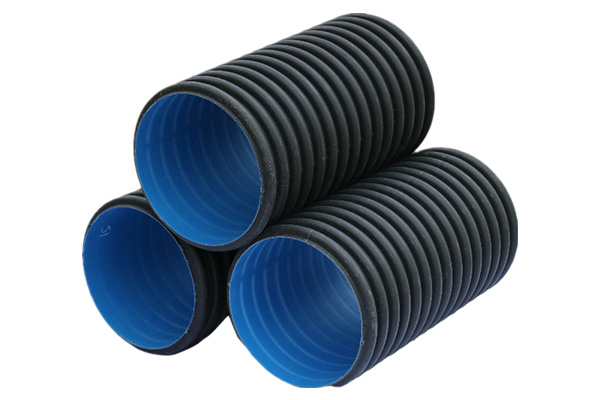
HDPE double wall corrugated pipe is a widely used piping solution for underground drainage, sewage systems, and stormwater management. Manufactured from High-Density Polyethylene (HDPE), it features a unique double-wall structure that combines a smooth inner surface with a corrugated outer wall.
This design provides excellent ring stiffness, corrosion resistance, and hydraulic performance while maintaining a lightweight structure. Compared with traditional concrete and metal pipes, HDPE double wall corrugated pipes are easier to transport, handle, and install.
In this article, we will explain what HDPE double wall corrugated pipe is, how it works, its main advantages, common applications, and how to choose the right product for your project.
What is HDPE Double Wall Corrugated Pipe?
HDPE double wall corrugated pipe is a structured-wall plastic pipe made from high-density polyethylene. It consists of two layers:
- Smooth Inner Wall: Provides a low-friction surface for efficient water and wastewater flow, reducing flow resistance and sediment accumulation.
- Corrugated Outer Wall: Provides structural strength and high ring stiffness, helping the pipe withstand external soil pressure and traffic loads when properly installed.
The two layers are bonded together during the extrusion process to create a strong and integrated pipe structure.
HDPE double wall corrugated pipes are primarily designed for underground gravity drainage systems rather than pressurized water supply applications.
Key Advantages of HDPE Double Wall Corrugated Pipe
HDPE double wall corrugated pipes offer several benefits that make them a popular choice for modern infrastructure projects.
1. High Ring Stiffness
The corrugated outer structure improves the pipe’s ability to resist external pressure and deformation. Common ring stiffness classes include SN4, SN8, and SN16, making these pipes suitable for different underground installation conditions.
2. Excellent Corrosion Resistance
HDPE is resistant to rust, corrosion, and many common chemicals, including acids, alkalis, and salts. This makes double wall corrugated pipes suitable for various drainage and sewage environments.
3. Lightweight and Easy Installation
Compared with concrete and metal pipes, HDPE double wall corrugated pipes are lightweight and easier to transport and handle. They can reduce installation labor, transportation expenses, and construction time.
4. Smooth Inner Surface
The smooth inner wall provides low flow resistance, helping improve drainage efficiency and reduce sediment accumulation. This is particularly important for gravity-flow drainage systems.
5. Flexibility and Durability
HDPE has good flexibility and impact resistance, allowing the pipe to accommodate certain ground movements and installation stresses. When properly manufactured and installed, it can provide reliable long-term performance.
Common Applications of HDPE Double Wall Corrugated Pipe
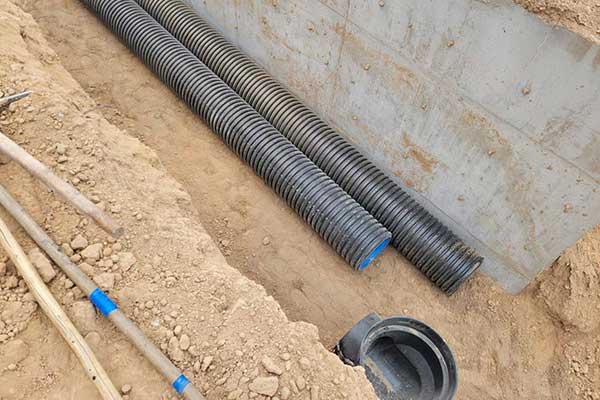
HDPE double wall corrugated pipes are widely used in infrastructure, construction, and water management projects.
Municipal Drainage Systems
Used to collect and transport rainwater and wastewater in cities, residential communities, and public infrastructure projects.
Road and Highway Drainage
Installed underground along roads, highways, and parking areas to prevent water accumulation and protect road foundations.
Underground Sewer Systems
Used in non-pressure sewage networks to transport domestic wastewater and other suitable wastewater streams.
Agricultural Drainage
Used in suitable drainage systems to remove excess groundwater, reduce farmland waterlogging, and improve soil conditions. Perforated versions can be selected for groundwater collection.
Industrial Drainage
Suitable for collecting and transporting industrial stormwater and compatible wastewater, depending on the chemical characteristics of the fluid.
HDPE Double Wall Corrugated Pipe vs. Single Wall Corrugated Pipe
Although both products are made from HDPE, they have different structures and applications.
| Feature | Double Wall Corrugated Pipe | Single Wall Corrugated Pipe |
|---|---|---|
| Structure | Smooth inner wall and corrugated outer wall | Corrugated throughout |
| Inner Surface | Smooth | Corrugated |
| Water Flow | Lower flow resistance | Higher flow resistance |
| Ring Stiffness | Generally higher | Depends on product design |
| Main Applications | Underground drainage and sewer systems | Cable protection and flexible drainage |
The main advantage of double wall corrugated pipe is its combination of a smooth internal surface and a structurally reinforced exterior, making it particularly suitable for underground drainage projects.
Common Specifications of HDPE Double Wall Corrugated Pipe
HDPE double wall corrugated pipes are available in different diameters, ring stiffness classes, and lengths to meet various engineering requirements.
Common Pipe Diameters
Typical nominal diameters include:
- DN200
- DN300
- DN400
- DN500
- DN600
- DN800
- DN1000
- DN1200
Larger diameters may also be available for major infrastructure projects.
Ring Stiffness Classes
- SN4: Suitable for relatively moderate external loading conditions when properly designed and installed.
- SN8: Commonly used in municipal drainage, road drainage, and underground sewer projects.
- SN16: Suitable for applications requiring higher ring stiffness.
The appropriate stiffness class depends on burial depth, soil conditions, groundwater level, traffic loading, and installation quality.
Applicable Standards
Depending on the market and project requirements, relevant standards may include:
- EN 13476
- ISO 21138
- ASTM F2306
Buyers should confirm the specific product’s compliance with the required standard and applicable edition before purchasing.
How to Choose the Right HDPE Double Wall Corrugated Pipe?
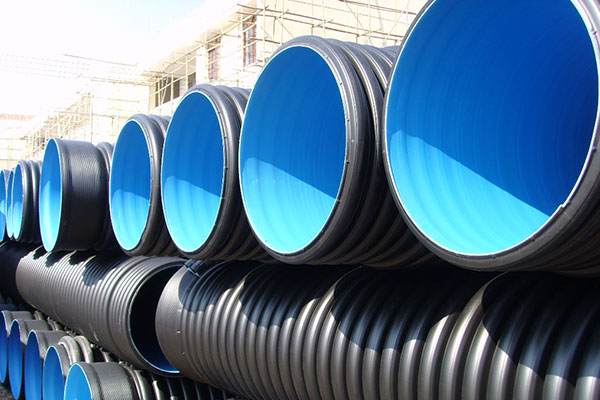
Selecting the right pipe is important for ensuring drainage efficiency and long-term structural performance. Consider the following factors before placing an order:
- Pipe Diameter: Select the appropriate diameter according to drainage capacity, expected water flow, and project design.
- Ring Stiffness: Choose SN4, SN8, or SN16 based on burial depth, soil conditions, and external loading.
- Material Quality: Check the HDPE raw material quality and the manufacturer’s production quality control procedures.
- Product Standards: Verify that the pipes meet the required international or local standards.
- Manufacturer Experience: Work with an experienced supplier that can provide technical specifications, product testing reports, and customized solutions.
A reliable manufacturer should also offer suitable fittings and connection systems to ensure proper joint performance.
FAQs
Yes. HDPE double wall corrugated pipes can be connected to concrete, PVC, and other piping materials using suitable transition couplings or adapters. The connection method should be selected according to pipe dimensions, joint requirements, and operating conditions.
SN4, SN8, and SN16 represent different nominal ring stiffness classes. Higher SN values indicate greater resistance to ring deformation under specified testing conditions. The correct class depends on project loading and installation conditions.
HDPE double wall corrugated pipe typically has an expected service life of 50 to 100 years or more under normal operating conditions. Actual lifespan depends on raw material quality, manufacturing standards, installation methods, soil conditions, and external loads.
Conclusion
HDPE double wall corrugated pipe is a durable and efficient solution for underground drainage, sewage, and stormwater management projects. Its excellent structural performance, corrosion resistance, and easy installation make it a popular choice for modern infrastructure.
Looking for a reliable HDPE double wall corrugated pipe supplier? Contact us today for product details and a competitive quotation.