
High Density Polyethylene Pond Liner: A Complete Guide
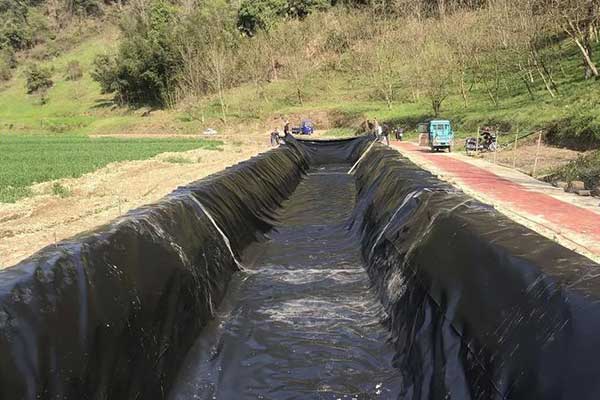
A High Density Polyethylene pond liner, commonly known as an HDPE pond liner, is a durable waterproof membrane used to prevent water leakage in ponds, reservoirs, aquaculture farms, irrigation systems, and other water containment projects.
Because of its high strength, chemical resistance, and long service life, HDPE has become one of the most widely used geomembrane materials for large pond lining projects.
What is a High Density Polyethylene Pond Liner?
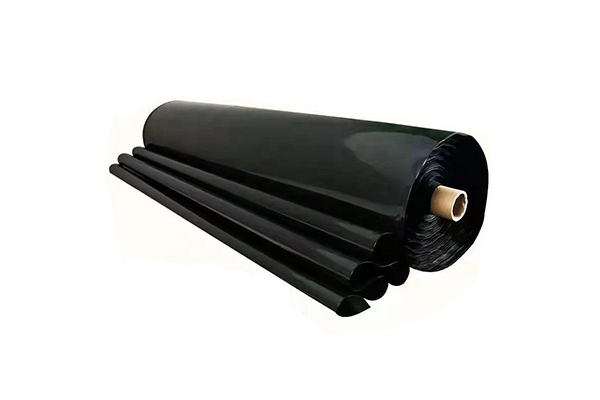
A high density polyethylene pond liner is a type of geomembrane manufactured from HDPE resin. The material is produced as flexible sheets that create an impermeable barrier between pond water and the surrounding soil.
HDPE liners are commonly supplied in rolls and welded together on site to cover large areas.
Typical applications include:
- Fish and shrimp ponds
- Agricultural irrigation ponds
- Farm water storage
- Reservoirs
- Wastewater treatment ponds
- Mining and industrial ponds
- Evaporation ponds
- Golf course and landscape ponds
Compared with compacted clay or concrete lining systems, HDPE pond liners can provide an effective waterproofing solution while reducing water loss through soil infiltration.
Advantages of HDPE Pond Liners
1. Excellent Waterproofing Performance
The main purpose of a pond liner is to prevent water from escaping into the soil. HDPE has extremely low permeability, making it suitable for long-term water containment.
This is especially useful in areas with sandy or highly permeable soil where an unlined pond may lose significant amounts of water.
2. High Strength and Durability
HDPE geomembranes offer good tensile strength, puncture resistance, and tear resistance.
When properly installed, they can withstand normal ground movement and environmental conditions encountered in pond projects.
3. Good Chemical Resistance
HDPE is resistant to many acids, alkalis, salts, and other chemicals. This makes it suitable not only for freshwater ponds but also for wastewater, industrial, mining, and agricultural applications.
4. UV and Weather Resistance
Quality HDPE pond liners normally contain carbon black and stabilizers that help improve resistance to ultraviolet radiation.
This allows the liner to remain exposed to sunlight in many applications without rapidly deteriorating.
5. Suitable for Large Projects
HDPE is particularly popular for large ponds and reservoirs.
Large rolls can cover significant areas, while adjacent sheets can be joined using professional thermal welding equipment to create continuous waterproof seams.
HDPE Pond Liner Thickness
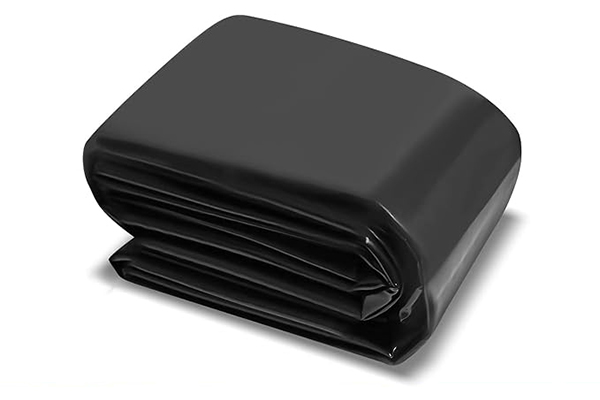
Choosing the correct liner thickness depends on the size of the pond, soil conditions, installation environment, and expected service requirements.
Common HDPE pond liner thicknesses include:
| Thickness | Typical Applications |
|---|---|
| 0.5 mm | Small ponds and lighter-duty applications |
| 0.75 mm | Agricultural ponds and general water storage |
| 1.0 mm | Fish ponds, irrigation ponds, and reservoirs |
| 1.5 mm | Industrial ponds and demanding containment projects |
| 2.0 mm | Heavy-duty environmental, mining, and waste containment |
For many agricultural and aquaculture projects, 0.75 mm to 1.5 mm HDPE geomembrane is commonly considered depending on site conditions.
A thicker liner generally provides greater puncture resistance and durability, but it also increases material and installation costs.
HDPE Pond Liner vs PVC Pond Liner
Both HDPE and PVC can be used for pond construction, but they have different characteristics.
HDPE is generally stronger and more resistant to chemicals, UV exposure, and environmental aging. It is therefore widely used for large commercial and industrial ponds.
PVC liners are usually more flexible, which can make them easier to install around complicated pond shapes.
For large reservoirs, aquaculture ponds, irrigation ponds, and industrial containment projects, HDPE is often preferred because of its durability and weldable seams.
HDPE Pond Liner vs EPDM
EPDM rubber liners are highly flexible and are commonly used for decorative and irregularly shaped landscape ponds.
HDPE is less flexible than EPDM but provides excellent strength and chemical resistance. It is also generally more suitable for very large-scale projects where thermal welding can be used to connect multiple sheets.
The best material therefore depends on the application:
- HDPE: Large ponds, reservoirs, aquaculture, agriculture, mining, and industrial applications.
- EPDM: Small decorative ponds and irregular landscape features.
How to Choose an HDPE Pond Liner
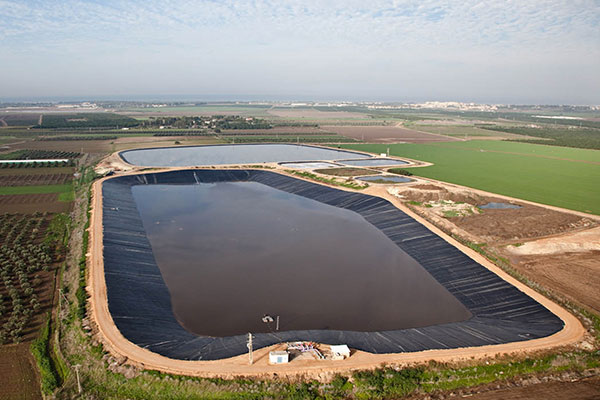
Choosing the right HDPE pond liner mainly depends on the pond size, application, ground conditions, and required durability.
- Choose the right thickness: 0.5–1.0 mm liners are suitable for many agricultural and fish ponds, while thicker liners such as 1.5–2.0 mm are better for heavy-duty projects.
- Check the ground conditions: Rocky or uneven surfaces may require a nonwoven geotextile underneath to protect the liner from punctures.
- Consider the application: Fish ponds, irrigation ponds, reservoirs, and industrial ponds may have different strength and chemical-resistance requirements.
- Check material quality: Look for consistent thickness, good tensile strength, puncture resistance, UV resistance, and reliable HDPE raw materials.
A suitable liner should balance durability, installation requirements, and project cost rather than simply choosing the thickest or cheapest option.
How Long Does an HDPE Pond Liner Last?
A high-quality HDPE pond liner typically lasts 20–30 years when exposed to sunlight and can last 50 years or more when properly covered or protected.
Its actual service life depends on liner thickness, UV exposure, installation quality, water conditions, and protection from punctures or mechanical damage. Proper installation and regular inspection can significantly extend the lifespan of the liner.
Conclusion
An HDPE pond liner is a durable and reliable solution for fish ponds, irrigation ponds, reservoirs, and other water containment projects. Choosing the right thickness and ensuring proper installation can provide long-term waterproofing performance.
Shelter supplies high-quality HDPE pond liners in different thicknesses and sizes for various applications. Contact Shelter today for product details, technical support, and a quotation.