
HDPE Culvert Pipe: What You Need to Know
In the world of civil engineering and construction, water management is critical for ensuring the longevity and functionality of infrastructure. One of the most popular and efficient solutions for handling water flow is the HDPE culvert pipe. Known for its durability, flexibility, and cost-effectiveness, HDPE (High-Density Polyethylene) culvert pipes have become the go-to choice for projects requiring drainage, stormwater management, and erosion control.
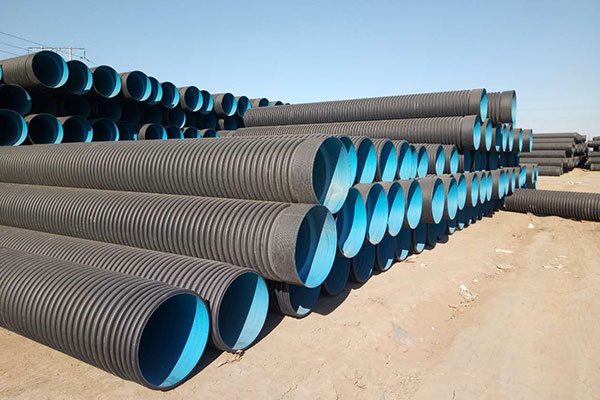
What is HDPE Culvert Pipe?
HDPE culvert pipes are made from high-density polyethylene, a type of plastic known for its strength and resistance to environmental factors. These pipes are typically used for drainage systems, acting as conduits to carry water underneath roadways, railroads, or other infrastructure. The pipes are designed to handle the flow of water efficiently while withstanding external pressures, making them ideal for various civil construction projects.
Key Advantages of HDPE Culvert Pipes
1. Durability and Longevity
HDPE pipes are renowned for their ability to withstand harsh conditions. Unlike traditional materials like concrete or steel, HDPE pipes are highly resistant to corrosion, rust, and the wear-and-tear caused by chemicals or other environmental factors. This resilience ensures that HDPE culvert pipes last longer, reducing the need for frequent repairs or replacements. In addition, HDPE’s smooth interior surface reduces the buildup of sediment and debris, further extending the lifespan of the pipe.
2. Flexibility
One of the standout features of HDPE pipes is their flexibility. These pipes can bend without breaking, making them ideal for installations in areas with shifting soils or regions prone to seismic activity. This flexibility also allows for easier installation in various configurations, reducing the need for custom fittings and making the installation process more efficient.
3. Cost-Effective
HDPE culvert pipes are typically more cost-effective than alternative materials such as concrete or steel. They are lighter, which makes transportation easier and cheaper. The lower cost of materials, combined with the ease of installation, makes HDPE pipes a highly economical choice for drainage and water management systems. Over time, the durability of the pipes reduces maintenance and replacement costs, providing even more long-term savings.
4. Resistance to Environmental Factors
HDPE pipes are resistant to a wide range of environmental factors, including extreme temperatures, UV radiation, and the chemicals typically found in water systems. They can withstand high pressures and are impervious to corrosion, ensuring that water management systems remain functional and reliable over time. This resistance to external conditions makes HDPE pipes particularly useful in challenging environments like coastal areas, where saltwater exposure can degrade other materials.
5. Environmental Sustainability
HDPE is a recyclable material, making it an environmentally friendly option. The pipes themselves are manufactured using less energy compared to traditional alternatives, and at the end of their life cycle, they can be recycled into new products. Using HDPE pipes in construction projects helps minimize environmental impact, making it a great choice for sustainability-focused projects.
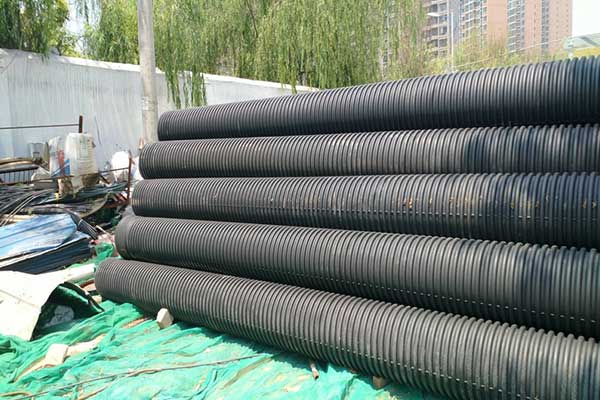
Applications of HDPE Culvert Pipes
HDPE culvert pipes are widely used across various industries, particularly in civil engineering and construction. Some of the most common applications include:
1. Stormwater Management
HDPE culvert pipes are commonly used to manage stormwater runoff, preventing flooding and erosion. The pipes provide a cost-effective and reliable way to direct water flow away from roads, fields, and other infrastructure, protecting against water damage and ensuring proper drainage.
2. Transportation Infrastructure
One of the primary uses of HDPE culvert pipes is in the construction of roadways, railroads, and bridges. These pipes help facilitate the free flow of water under roads and other structures, preventing water accumulation and ensuring the stability of the infrastructure.
3. Agricultural Drainage
In agricultural settings, HDPE culvert pipes are used to maintain proper drainage for fields, preventing waterlogging and ensuring that crops receive optimal conditions for growth. These pipes help direct excess water away from fields, enhancing soil health and productivity.
4. Utility and Sewer Systems
HDPE culvert pipes are used in utility applications, including sewer systems and water pipelines. The pipes are well-suited for these applications due to their ability to resist chemical corrosion and maintain structural integrity over long periods.
Installation of HDPE Culvert Pipes
The installation of HDPE culvert pipes is relatively simple and requires less labor compared to traditional materials. Because of their flexibility, they can be installed using trenchless technology, which minimizes disruption to the surrounding environment. The lightweight nature of HDPE pipes reduces the need for heavy machinery, and the smooth surface helps ensure efficient water flow.
How to Choose the Right HDPE Culvert Pipe
When selecting an HDPE culvert pipe for your project, it’s important to consider several factors:
- Pipe Diameter and Length: Ensure the pipe size is appropriate for the volume of water you need to manage. Larger diameters are often needed for areas with high water flow or heavy rainfall.
- Load Capacity: The strength and load-bearing capacity of the pipe should be adequate for the expected traffic or weight placed on the culvert.
- Environmental Conditions: Consider the conditions the pipe will be exposed to, including soil type, water chemistry, and the risk of freezing or UV exposure.
- Compliance with Standards: Ensure the pipes meet relevant local and international standards for water and drainage systems.
Conclusion
HDPE culvert pipes offer a durable, cost-effective, and environmentally friendly solution for water management needs across a range of industries. Whether used in stormwater management, transportation infrastructure, or agricultural drainage, these pipes provide long-lasting performance in even the harshest conditions.
If you’re looking for high-quality, durable HDPE pipes to meet your drainage or water management needs, we are your ideal partner. As a professional HDPE pipe supplier, we offer a wide range of sizes and specifications to suit various projects. Contact us today to learn more about our products or to get a quote!