
Geotextile Fabric for Retaining Wall: Functions, Benefits
Retaining walls are essential structures in civil engineering and landscaping, designed to hold back soil and prevent erosion on slopes or uneven terrain. One of the most important materials used to improve the performance and lifespan of these structures is geotextile fabric. In modern construction, geotextile fabric for retaining walls has become a standard solution for soil stabilization, drainage improvement, and structural reinforcement.
What is Geotextile Fabric?
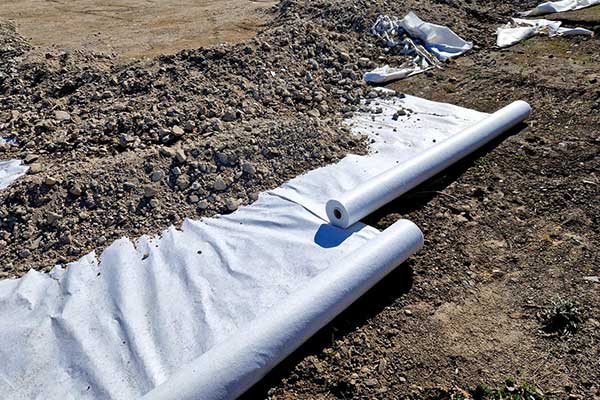
Geotextile fabric is a permeable synthetic textile material used in civil engineering and construction projects. It is typically made from polypropylene or polyester fibers, designed to interact with soil and improve its mechanical properties.
In retaining wall applications, geotextile fabric acts as a separation, filtration, reinforcement, and drainage layer between soil and structural materials such as gravel, stone, or concrete blocks.
Why Use Geotextile Fabric for Retaining Walls?
Retaining walls face constant pressure from soil, water, and environmental conditions. Without proper reinforcement and drainage, they may fail due to erosion, hydrostatic pressure, or soil movement.
Geotextile fabric helps solve these problems by:
- Preventing soil erosion behind the wall
- Allowing water to drain while retaining soil particles
- Improving structural stability
- Reducing long-term maintenance costs
Simply put, it enhances both the strength and durability of retaining wall systems.
Key Functions of Geotextile Fabric in Retaining Walls
1. Separation Layer
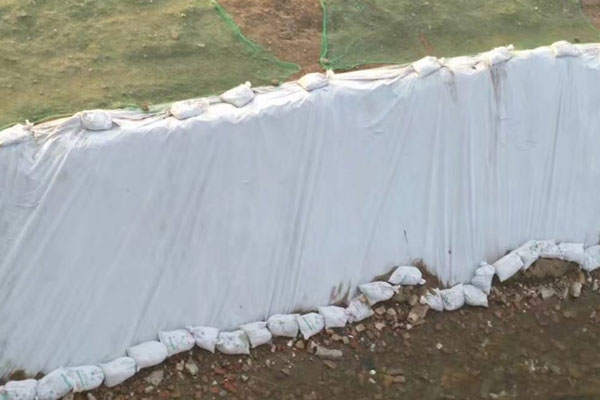
Geotextile fabric prevents different soil layers from mixing. For example, it keeps backfill soil separate from gravel drainage layers, maintaining structural integrity over time.
2. Filtration
It allows water to pass through while blocking fine soil particles. This prevents clogging in drainage systems and reduces water pressure buildup behind the wall.
3. Reinforcement
High-strength geotextiles improve soil stability by distributing loads more evenly. This is especially important for tall retaining walls or weak soil conditions.
4. Drainage Support
Proper drainage is critical for retaining walls. Geotextile fabric helps channel water away from the structure, preventing hydrostatic pressure that can cause wall failure.
Types of Geotextile Fabric Used in Retaining Walls
There are two main types of geotextile fabrics used in construction:
1. Woven Geotextile Fabric
- Made by weaving polypropylene strips
- High tensile strength
- Ideal for reinforcement applications
- Commonly used in load-bearing retaining walls
2. Non Woven Geotextile Fabric
- Made by bonding fibers together
- Excellent filtration and drainage properties
- Softer and more flexible
- Often used behind retaining walls for drainage layers
Choosing the right type depends on soil conditions, wall design, and project requirements.
Benefits of Using Geotextile Fabric for Retaining Walls
1. Improved Structural Stability
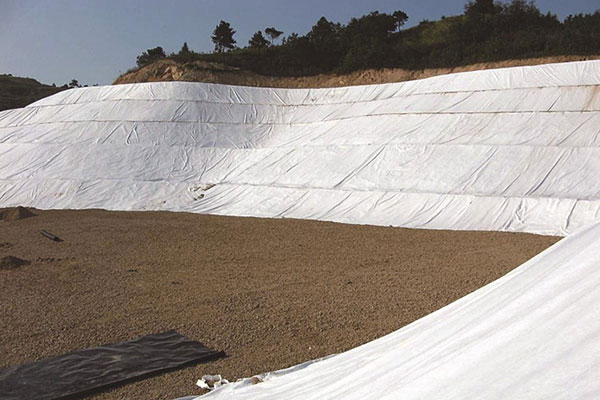
By reinforcing soil and preventing erosion, geotextile fabric significantly increases the stability of retaining walls.
2. Enhanced Drainage Efficiency
Water buildup is one of the biggest threats to retaining walls. Geotextiles ensure efficient water flow, reducing pressure on the structure.
3. Extended Lifespan of the Wall
Proper soil separation and drainage reduce wear and tear, helping retaining walls last much longer.
4. Cost-Effective Solution
Although geotextile fabric adds an initial material cost, it reduces long-term repair and maintenance expenses.
5. Easy Installation
Geotextile fabrics are lightweight, flexible, and easy to cut and install on-site, making construction faster and more efficient.
How to Install Geotextile Fabric in a Retaining Wall System
Proper installation is essential to achieve the best performance. Here is a step-by-step guide:
Step 1: Prepare the Base
Ensure the foundation is properly compacted and leveled before placing any materials.
Step 2: Place the First Layer
Lay the geotextile fabric along the back of the retaining wall, covering the soil interface area.
Step 3: Add Drainage Material
Place gravel or crushed stone behind the wall to create a drainage zone.
Step 4: Overlap Fabric Sections
If multiple sheets are used, overlap them by at least 30–50 cm to prevent soil leakage.
Step 5: Backfill Carefully
Add soil in layers while maintaining proper compaction to avoid voids.
Step 6: Extend Fabric as Needed
For taller walls, geotextile layers may need to be extended upward along with backfill progression.
Conclusion
Geotextile fabric plays a critical role in modern retaining wall construction. By providing separation, filtration, reinforcement, and drainage, it significantly enhances the stability and lifespan of retaining wall systems.
Whether for residential landscaping or large-scale civil engineering projects, using the right geotextile fabric ensures better performance, lower maintenance costs, and improved safety.
If you are planning a retaining wall project, choosing high-quality geotextile fabric is not just an option—it is a necessity for long-term structural success.