
Difference Between Geomembrane and Geotextile
Geomembranes and geotextiles are two of the most widely used geosynthetic materials in civil engineering, environmental protection, mining, agriculture, and infrastructure projects. Although they are often used together in the same project, they serve different purposes and possess distinct characteristics.
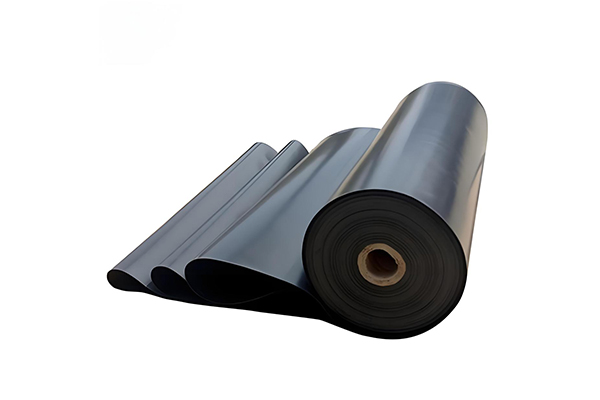
What is a Geomembrane?
A geomembrane is an impermeable synthetic membrane liner designed to control fluid, gas, or contaminant migration in a structure or system. It acts as a barrier that prevents leakage and provides excellent containment performance.
Common Geomembrane Materials
- High-Density Polyethylene (HDPE)
- Low-Density Polyethylene (LDPE)
- Linear Low-Density Polyethylene (LLDPE)
- Polyvinyl Chloride (PVC)
- Ethylene Propylene Diene Monomer (EPDM)
Main Functions of Geomembranes
- Waterproofing
- Liquid containment
- Seepage prevention
- Chemical resistance
- Environmental protection
Typical Applications
- Landfill liners and caps
- Mining heap leach pads
- Reservoirs and ponds
- Aquaculture ponds
- Wastewater treatment facilities
- Canal and irrigation lining
- Oil and gas containment systems
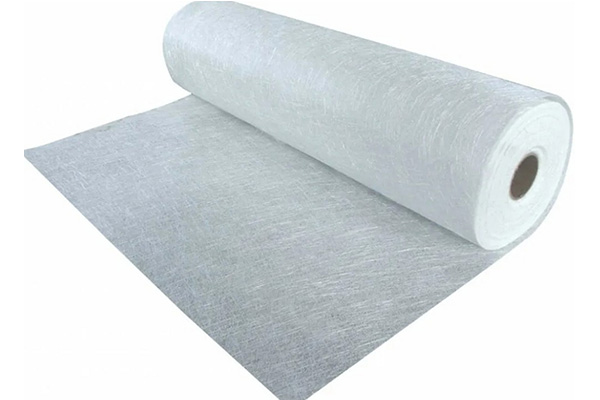
What is a Geotextile?
A geotextile is a permeable textile material manufactured from synthetic fibers such as polypropylene or polyester. Unlike geomembranes, geotextiles allow water to pass through while performing functions such as filtration, separation, reinforcement, protection, and drainage.
Types of Geotextiles
1. Woven Geotextile
Produced by weaving synthetic yarns together, offering high tensile strength and excellent reinforcement properties.
2. Nonwoven Geotextile
Manufactured through needle-punching or heat bonding processes, providing superior filtration and drainage capabilities.
Main Functions of Geotextiles
- Soil stabilization
- Filtration
- Separation
- Reinforcement
- Drainage
- Cushioning and protection
Typical Applications
- Road construction
- Railway projects
- Retaining walls
- Drainage systems
- Coastal protection
- Erosion control
- Landfill protection layers
Geomembrane vs Geotextile: Key Differences
1. Permeability
The most significant difference is permeability.
- Geomembrane: Impermeable, prevents liquids and gases from passing through.
- Geotextile: Permeable, allows water flow while retaining soil particles.
2. Primary Function
- Geomembrane: Barrier and containment.
- Geotextile: Filtration, separation, reinforcement, and drainage.
3. Material Structure
- Geomembrane: Continuous plastic sheet, smooth or textured surface.
- Geotextile: Fabric-like material, woven or nonwoven structure.
4. Mechanical Properties
Geomembranes generally provide excellent chemical resistance and waterproofing but limited filtration capabilities.
Geotextiles offer high tensile strength, puncture resistance, and soil interaction properties, making them ideal for reinforcement and protection.
5. Installation Purpose
Geomembranes are installed where leakage prevention is required.
Geotextiles are installed where soil stabilization, filtration, or protection of other geosynthetic materials is needed.
Comparison Table: Geomembrane vs Geotextile
| Feature | Geomembrane | Geotextile |
|---|---|---|
| Permeability | Impermeable | Permeable |
| Main Function | Containment and waterproofing | Filtration, separation, reinforcement |
| Material | HDPE, LDPE, LLDPE, PVC, EPDM | Polypropylene, Polyester |
| Water Flow | Blocks water passage | Allows water passage |
| Structure | Plastic membrane sheet | Fabric-like textile |
| Chemical Resistance | Excellent | Moderate to high |
| Soil Reinforcement | Limited | Excellent |
| Drainage Capability | None | Excellent |
| Typical Thickness | 0.3–3.0 mm | 100–1000+ g/m² |
Can Geomembranes and Geotextiles Be Used Together?
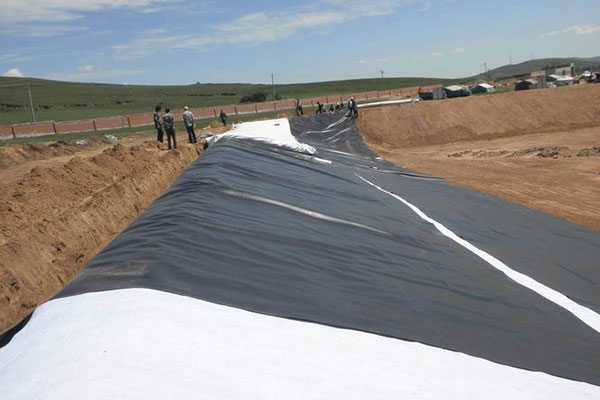
Yes. In many engineering projects, geomembranes and geotextiles are used together to maximize performance.
For example, in landfill and pond lining systems:
- The geomembrane acts as the primary impermeable barrier.
- The geotextile acts as a protective cushion layer.
- The geotextile prevents punctures caused by stones or sharp objects.
- The combination extends the lifespan of the containment system.
This composite system is commonly referred to as a geosynthetic liner system.
How to Choose Between Geomembrane and Geotextile
Choose a geomembrane if your project requires:
- Waterproofing
- Leak prevention
- Chemical containment
- Environmental protection
Choose a geotextile if your project requires:
- Soil stabilization
- Filtration
- Drainage
- Reinforcement
- Erosion control
For many infrastructure and environmental projects, using both materials together provides the best overall performance.
Conclusion
The difference between geomembrane and geotextile primarily lies in their permeability and intended functions. Geomembranes are impermeable barriers designed for containment and waterproofing, while geotextiles are permeable fabrics used for filtration, separation, reinforcement, and drainage.
Although they serve different purposes, geomembranes and geotextiles often work together in modern civil engineering and environmental projects. Selecting the right material—or the right combination—can significantly improve project durability, performance, and cost-effectiveness.