
Geogrids vs Geotextiles: Differences and How to Choose
In modern civil engineering, road construction, and soil stabilization, geosynthetics play a crucial role in improving performance, durability, and cost-effectiveness. Among the most commonly used geosynthetics are geogrids and geotextiles. While both serve the purpose of soil reinforcement, they have distinct functions, materials, and applications.
What Are Geogrids?
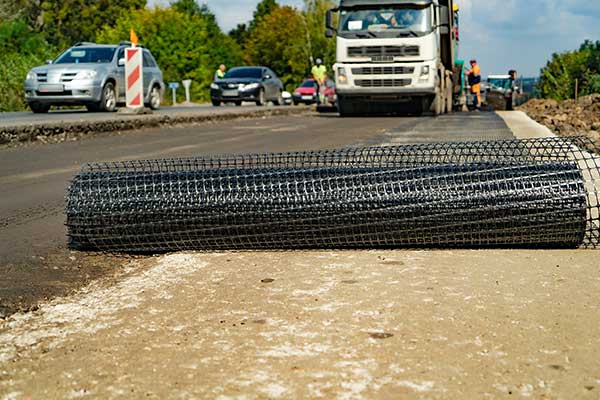
Geogrids are synthetic materials made from polymers such as polyester, polyethylene, or polypropylene, designed to provide high tensile strength for soil reinforcement. Their structure is a grid-like pattern of apertures, which allows soil or aggregate to interlock with the grid. This interlocking significantly improves the load-bearing capacity of the soil.
Key Features of Geogrids:
- High tensile strength in one or multiple directions
- Grid-like structure with large apertures
- Excellent for reinforcing weak soils and controlling settlement
- Ideal for use in roads, embankments, retaining walls, and slopes
Common Applications:
- Reinforcement of highways and heavy-duty roads
- Retaining wall stabilization
- Embankment and slope reinforcement
- Railway trackbed stabilization
What Are Geotextiles?
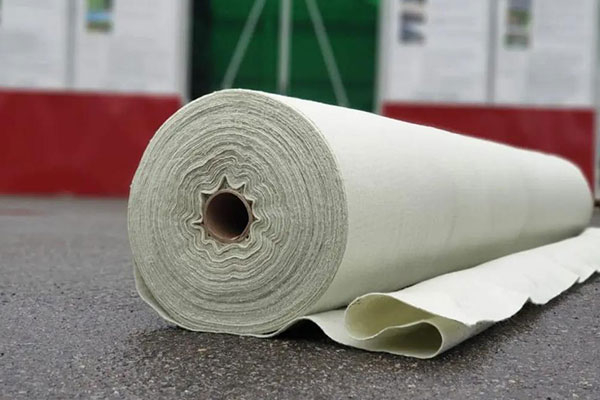
Geotextiles are permeable fabrics made from synthetic fibers such as polypropylene or polyester. Unlike geogrids, geotextiles are primarily used for filtration, separation, and drainage purposes. They allow water to pass through while preventing the mixing of different soil layers, which helps maintain structural integrity.
Key Features of Geotextiles:
- Permeable fabric structure
- Excellent filtration and separation properties
- Prevents soil erosion and layer contamination
- Can be woven or non-woven depending on application
Common Applications:
- Soil filtration and drainage systems
- Road and pavement construction
- Erosion control on slopes and riverbanks
- Separation of different soil layers in embankments and foundations
Geogrids vs Geotextiles: Key Differences
| Feature | Geogrids | Geotextiles |
|---|---|---|
| Primary Function | Soil reinforcement | Filtration, separation, drainage |
| Structure | Open grid with apertures | Permeable fabric |
| Strength | High tensile strength | Moderate tensile strength |
| Soil Interaction | Interlocks with soil or aggregate | Allows water flow, prevents soil mixing |
| Applications | Roads, retaining walls, embankments | Drainage, erosion control, separation |
Choosing Between Geogrids and Geotextiles
Selecting the right geosynthetic depends on the specific needs of your project:
- Use Geogrids if your primary goal is reinforcement and improved load-bearing capacity. They are ideal for heavy-load roads, embankments, and retaining walls.
- Use Geotextiles if your project requires drainage, filtration, or separation. They are perfect for preventing soil erosion, maintaining soil layers, and improving water management.
Sometimes, geogrids and geotextiles are used together in layered applications to achieve both reinforcement and drainage.
Conclusion
Choosing between geogrids and geotextiles depends on your project’s structural and functional needs. Geogrids are best for reinforcement and load-bearing applications, while geotextiles excel in filtration, separation, and drainage tasks. Understanding their differences ensures more durable and cost-effective construction outcomes.