
What is a Double Wall Corrugated Pipe?
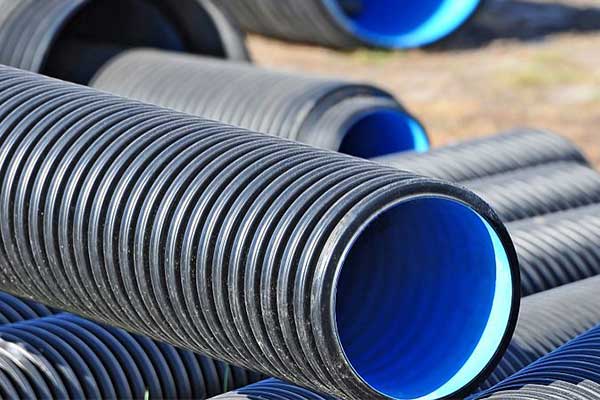
A double wall corrugated pipe (DWC)—often called double-wall HDPE corrugated pipe—is a high-strength, lightweight drainage pipe widely used in municipal engineering, road construction, agriculture, and industrial systems. Its signature structure features a corrugated outer wall and a smooth inner wall, combining durability with excellent hydraulic performance.
In this guide, you’ll learn what a double wall corrugated pipe is, how it works, its specifications, applications, and the benefits that make it one of the most popular piping solutions in modern infrastructure.
What is a Double Wall Corrugated Pipe?
A double wall corrugated pipe is a type of HDPE (High-Density Polyethylene) pipe with a two-layer structure:
- Outer Layer: Corrugated for strength and stiffness
- Inner Layer: Smooth to ensure efficient flow
This design allows the pipe to handle external loads, resist soil pressure, and maintain high flow rates with low friction.
Double wall corrugated pipes are often made according to standards like ISO 4427, EN 13476, or various national drainage standards.
How Does a Double Wall Corrugated Pipe Work?
The pipe’s performance comes from the combination of its two layers:
1. Corrugated Outer Layer
- Provides structural strength
- Withstands heavy earth loads, making it suitable for buried installations
- Reduces material usage while keeping high stiffness
2. Smooth Inner Layer
- Ensures fast water flow
- Reduces sediment buildup
- Improves long-term hydraulic efficiency
Together, this makes double wall corrugated pipe suitable for gravity drainage and sewer systems.
Key Features and Advantages
1. High Ring Stiffness
The corrugated design gives the pipe excellent strength, usually meeting SN4, SN8, or higher stiffness grades.
2. Lightweight & Easy to Install
Compared with concrete or steel pipes, HDPE double wall pipes are significantly lighter, reducing installation time and equipment costs.
3. Corrosion & Chemical Resistance
HDPE material is naturally resistant to:
- Acidic soils
- Salts
- Chemicals
- Wastewater corrosion
This ensures a long service life, often 50 years or more.
4. Smooth Internal Flow
The internal wall reduces friction, improving flow capacity even at smaller diameters.
5. Leak-Free Jointing Options
Common connection methods include:
- Bell-and-spigot joints with rubber gaskets
- Electrofusion couplers
- Snap-fit couplings
These help maintain leak-proof systems for drainage and sewer networks.

Common Sizes of Double Wall Corrugated Pipes
- Typical HDPE DWCP diameters include: DN110, DN160, DN200, DN250, DN315, DN400, DN500, DN600, DN800, DN1000, DN1200, DN1500
- Length can be: Standard 6 m or 12 m
- Custom coil lengths for smaller diameters
- Stiffness levels: SN2, SN4, SN8, SN12.5, SN16
Applications of Double Wall Corrugated Pipes
Double wall corrugated pipes are used in a wide range of infrastructure and industrial projects:
- Sewage and wastewater systems
- Stormwater and drainage networks
- Agricultural irrigation systems
- Road and highway drainage
- Culverts and underpasses
- Cable protection and conduit systems
- Industrial discharge systems
Their versatility makes them suitable for both municipal and industrial projects.
Double Wall Corrugated Pipe vs. Single Wall Corrugated Pipe
| Feature | Double Wall | Single Wall |
|---|---|---|
| Structure | Double layer (smooth inner, corrugated outer) | Single corrugated layer |
| Strength | Higher, suitable for deeper burial | Lower, shallow applications |
| Flow Performance | Higher flow rate | Rougher internal surface |
| Typical Use | Municipal projects, roads, sewers | Small drainage tasks, home/landscape |
Why Choose Double Wall Corrugated Pipes?
Double wall corrugated pipes are chosen for their strength, long lifespan, chemical resistance, and cost-effectiveness. Because they are made from HDPE, they offer better durability and flexibility compared to traditional pipes like concrete, steel, or PVC in demanding drainage environments.
FAQs
Double wall HDPE corrugated pipes typically have a service life of 50 years or more, depending on soil conditions, installation quality, and operating environment.
Yes—HDPE material is recyclable and has a low carbon footprint.
HDPE pipes can tolerate temperatures up to around 60°C (140°F) for continuous use. For environments above this range, special materials may be required.
Installation depth varies by stiffness class (SN). Higher stiffness grades such as SN8 or SN16 can be used in deep burial applications, including highways and municipal projects.
Typically, double wall corrugated pipe is used for drainage and sewage, not potable water. For drinking water, use HDPE pressure pipes (PE100).
Conclusion
A double wall corrugated pipe is a high-performance HDPE pipe designed with a corrugated exterior for strength and a smooth interior for optimal water flow. With advantages such as durability, flexibility, low weight, and corrosion resistance, double wall corrugated pipe has become one of the most widely used piping systems in drainage, sewerage, and underground construction projects.
Ready to Source High-Quality Double Wall Corrugated Pipes?
If you’re looking for reliable, durable, and cost-effective HDPE double wall corrugated pipes, our company offers a full range of sizes, stiffness classes, and custom specifications for drainage, sewage, and industrial applications. Get a fast quote today — contact us now for more information.