
Scaffolding Coupling Pins: A Comprehensive Guide
In a scaffolding system, safety and stability depend not only on the major components like standards, ledgers, and braces, but also on the small connecting parts that hold the structure together. Scaffolding coupling pins are one such vital accessory. They may appear minor in size, but their role in maintaining the vertical alignment and overall strength of a scaffold is indispensable. Without reliable coupling pins, even the best-designed scaffold could become unstable or unsafe at height.
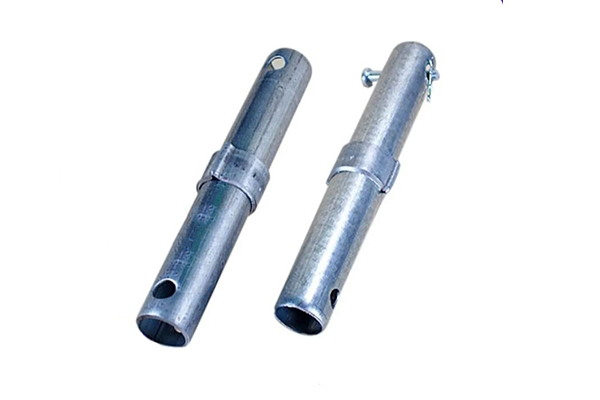
What Are Scaffolding Coupling Pins?
Scaffolding coupling pins, also known as spigot pins or joining pins, are small but crucial components used to connect two scaffold standards (vertical tubes) end-to-end. They ensure perfect alignment and structural continuity when scaffolding is erected to multiple levels.
Usually made of high-strength steel and hot-dip galvanized for corrosion resistance, coupling pins are inserted into the top of one scaffold tube and fit securely into the bottom of the tube above it, forming a rigid vertical connection.
Types of Scaffolding Coupling Pins
Depending on the scaffolding system, coupling pins come in several variations:
- Ringlock Coupling Pins – Used with ringlock scaffolding systems, these pins connect vertical standards through rosettes and locking wedges, ensuring fast assembly and high load capacity.
- Cuplock Coupling Pins – Designed for cuplock scaffolding, they fit snugly inside the vertical tubes and are secured by captive wedges or locking cups.
- Tube and Clamp Coupling Pins – Used in traditional scaffolding systems, usually with bolts or spring clips to fix the connection.
- Kwikstage Coupling Pins – Feature a tapered or slotted design that locks into place, providing quick installation for modular scaffolding setups.
Key Features and Benefits
- Strong and Secure Connection – Provides firm alignment between vertical standards for greater stability.
- Durable Construction – Made from high-grade steel, often galvanized or zinc-plated to resist rust and corrosion.
- Easy Installation – Simple insertion design saves time and labor on site.
- Reusable and Cost-Effective – Long lifespan and compatibility with multiple scaffolding systems reduce replacement costs.
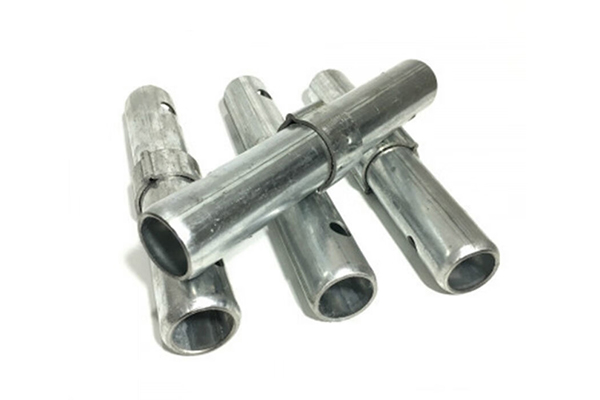
Material and Surface Treatment Options
- Material: Carbon steel or alloy steel
- Finish: Hot-dip galvanized, electro-galvanized, or painted
- Size: Typically fits 48.3mm OD scaffold tubes (custom sizes available)
High-quality surface treatments protect against wear and corrosion, extending service life in outdoor and harsh environments.
Safety Considerations
Always ensure that coupling pins are:
- Fully inserted and properly locked.
- Compatible with the scaffolding system being used.
- Inspected regularly for damage or corrosion before reuse.
Using substandard or incompatible pins can compromise the entire structure’s integrity.
How to Choose the Right Coupling Pin
When selecting scaffolding coupling pins, consider:
- Compatibility with your scaffolding system (ringlock, cuplock, or tube).
- Material and coating, depending on environmental conditions.
- Load-bearing requirements for your project.
- Certifications to meet regional safety standards (EN74, BS1139, etc.).
Partnering with a reliable scaffolding supplier ensures you receive durable, tested, and well-engineered coupling pins for your projects.
Conclusion
Scaffolding coupling pins are essential connectors that provide strength, alignment, and safety in every scaffold structure. Whether used in construction, industrial maintenance, or infrastructure projects, they are a small component with a major role in ensuring worker safety and system reliability.
If you’re looking for high-quality scaffolding coupling pins or complete scaffolding systems, contact us today. Our products are manufactured under strict quality standards, ensuring performance, durability, and compliance with international regulations.