
How to Install Geogrid: A Step-by-Step Guide
Geogrid is one of the most effective solutions for soil reinforcement, slope stabilization, and road construction. When installed correctly, it greatly improves load-bearing capacity, prevents erosion, and extends the lifespan of paved and unpaved surfaces.
If you’re wondering how to install geogrid the right way, this guide will walk you through every step — from preparation to compaction.
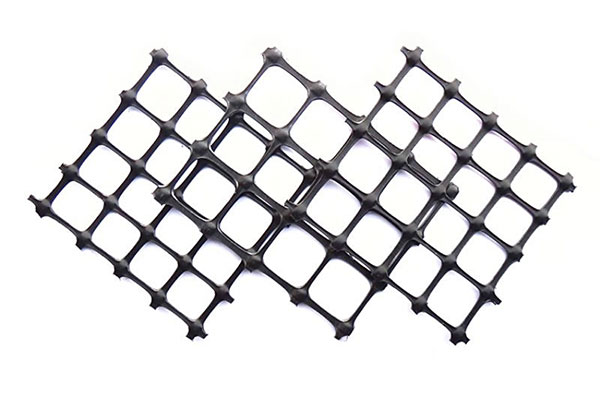
What is Geogrid?
Geogrid is a synthetic reinforcement material made from polymers such as polypropylene (PP) or high-density polyethylene (HDPE). It’s designed with an open-grid structure that allows soil or aggregate to interlock with it, creating a strong composite layer that distributes loads evenly.
There are three main types of geogrid:
- Uniaxial Geogrid – Provides strength in one direction, ideal for retaining walls and slopes.
- Biaxial Geogrid – Offers strength in both directions, suitable for road base reinforcement.
- Triaxial Geogrid – Enhances multi-directional stability, often used in heavy-duty road and railway projects.
Tools and Materials You’ll Need
Before you begin installing geogrid, prepare the following materials and tools:
- Geogrid rolls (appropriate type for your project)
- Utility knife or scissors
- Stakes or pins for securing the grid
- Aggregate or soil fill material
- Compactor or roller
- Measuring tape and marking tools
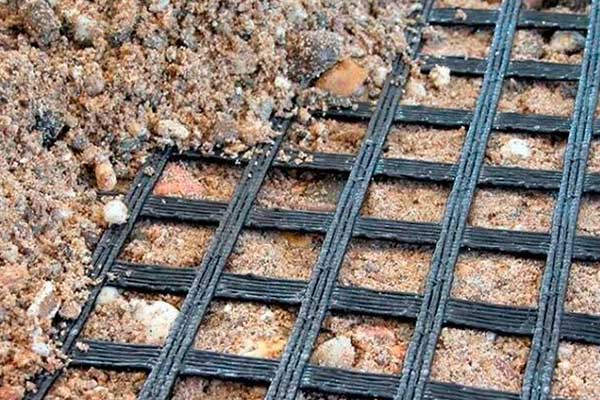
Step-by-Step Guide: How to Install Geogrid
Step 1: Prepare the Subgrade
- Excavate the installation area according to your project design.
- Remove all debris, vegetation, and large stones.
- Level and compact the subgrade to create a firm, even surface.
- Ensure proper drainage to prevent water accumulation under the geogrid.
Step 2: Cut and Position the Geogrid
- Roll out the geogrid directly onto the prepared surface.
- Cut the material to the required length using a sharp utility knife.
- Ensure the machine direction (MD) of the geogrid runs perpendicular to the direction of the load (for uniaxial grids).
- Overlap adjacent geogrid sections by at least 300–450 mm (12–18 inches) or as specified by the manufacturer.
Step 3: Secure the Geogrid in Place
- Anchor the geogrid at the edges and overlaps using stakes, pins, or fill material.
- Keep the geogrid taut and free from wrinkles to ensure proper interlocking with the fill.
- Avoid driving heavy equipment directly over unfilled geogrid.
Step 4: Place and Compact the Fill Material
- Spread the first layer of aggregate or soil fill over the geogrid carefully.
- Maintain a minimum cover thickness of 150 mm (6 inches) before driving or compacting equipment over it.
- Compact the fill material in layers using a roller or plate compactor.
- Continue to add layers and repeat the process until the desired grade or structure height is achieved.
Step 5: Inspect the Installation
- Check for proper alignment, overlaps, and anchoring.
- Ensure the fill is evenly compacted and that the geogrid is fully embedded.
- Correct any visible defects before proceeding with subsequent construction steps.
Common Mistakes to Avoid
- Skipping compaction – leads to uneven settlement and reduced strength.
- Improper overlap – causes weak points between geogrid sections.
- Incorrect orientation – especially for uniaxial geogrid, which must align with the primary load direction.
- Driving directly on the geogrid – can tear or shift the material before it’s properly covered.

Benefits of Proper Geogrid Installation
- Increased soil stability and bearing capacity
- Reduced base thickness requirements
- Longer pavement and slope lifespan
- Improved drainage and reduced erosion
- Lower maintenance costs over time
Conclusion
Installing geogrid correctly is crucial for achieving long-term performance in soil reinforcement and road construction projects. With proper preparation, orientation, and compaction, geogrid helps create a stable foundation that withstands heavy loads and environmental stress.
If you’re sourcing high-quality geogrids for road base, retaining wall, or slope reinforcement, you can contact us directly for more information.