
Applications of HDPE Geomembrane
High-Density Polyethylene (HDPE) geomembrane is one of the most widely used materials for lining and containment solutions. Known for its durability, chemical resistance, and impermeability, HDPE geomembrane plays a crucial role in protecting the environment while supporting industrial and civil engineering projects. This article will explores the key applications of HDPE geomembrane and why it is the preferred choice across multiple industries.
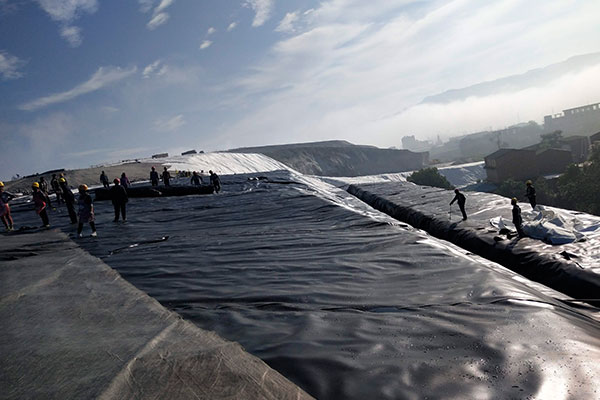
1. Landfills and Waste Containment
One of the most common uses of HDPE geomembrane is in landfill liners and covers. It prevents leachate from seeping into groundwater and controls gas emissions.
- Base liner: Acts as a barrier between waste and soil.
- Capping system: Prevents rainwater infiltration and reduces odor emissions.
- Leachate ponds: Lined with HDPE to safely collect and manage contaminated liquids.
2. Mining Industry
In mining operations, HDPE geomembrane is used to contain and control hazardous materials.
- Heap leach pads: Prevents chemicals from leaking into the soil during mineral extraction.
- Tailings ponds: Provides safe storage of mining residues.
- Process solution ponds: Ensures chemical resistance to acids and solvents.
3. Water Management and Aquaculture
HDPE geomembrane is an excellent waterproofing solution for water storage and aquaculture systems.
- Reservoirs and ponds: Keeps water from seeping into the ground.
- Canals and channels: Reduces seepage losses and improves irrigation efficiency.
- Fish and shrimp farming: Provides a clean and controlled environment, improving yield and water quality.
4. Agriculture
In modern farming, HDPE geomembrane helps conserve water and protect soil.
- Silage covers: Preserves feed quality by preventing moisture intrusion.
- Lining irrigation ditches: Enhances water use efficiency.
- Manure lagoons: Safely contain animal waste and prevent groundwater pollution.
5. Civil Engineering and Infrastructure
HDPE geomembrane is widely applied in construction and public works.
- Tunnels and underground structures: Acts as a waterproofing barrier.
- Road construction: Used as a moisture barrier under pavement.
- Dams and canals: Enhances stability and prevents seepage.
6. Environmental Protection Projects
To protect ecosystems, HDPE geomembrane is applied in various environmental projects.
- Hazardous waste containment: Ensures toxic materials are safely stored.
- Wastewater treatment plants: Lining for lagoons and treatment basins.
- Salt production ponds: Provides long-lasting, UV-resistant containment.
Why Choose HDPE Geomembrane?
HDPE geomembrane stands out for its:
- High chemical resistance – suitable for aggressive environments.
- UV resistance – ensures long-term outdoor performance.
- Cost-effectiveness – reduces maintenance and operational risks.
- Durability – lifespan exceeding 20–30 years with proper installation.
Conclusion
The applications of HDPE geomembrane extend across waste management, mining, water conservation, aquaculture, agriculture, and energy sectors. Its versatility and reliability make it an indispensable material for modern environmental protection and industrial projects. Choosing a high-quality HDPE geomembrane ensures long-term performance, safety, and compliance with environmental standards.