
Difference Between Geogrid and Geocell: How to Choose
In modern civil engineering and infrastructure construction, soil reinforcement materials play a crucial role in improving stability, load distribution, and long-term performance. Two of the most commonly used materials are geogrid and geocell. Although they are often mentioned together, they are fundamentally different in structure, function, and application.
What is a Geogrid?
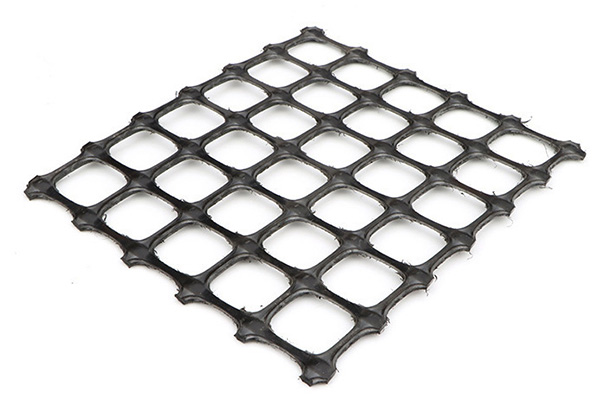
A geogrid is a planar (flat) polymer-based material with an open grid-like structure. It is mainly used for soil reinforcement through tensile strength.
Geogrid works by interlocking with soil or aggregate particles, improving the load distribution and reducing deformation under stress.
Key Characteristics of Geogrid:
- Flat, grid-shaped structure (2D)
- High tensile strength
- Made from polymer materials such as HDPE, PP, or polyester
- Works mainly through interlock and tension
Main Functions:
- Soil stabilization
- Base reinforcement in roads and railways
- Slope reinforcement
- Retaining wall support
Common Applications:
- Road construction
- Highway subgrade reinforcement
- Parking lots
- Railway embankments
What is a Geocell?
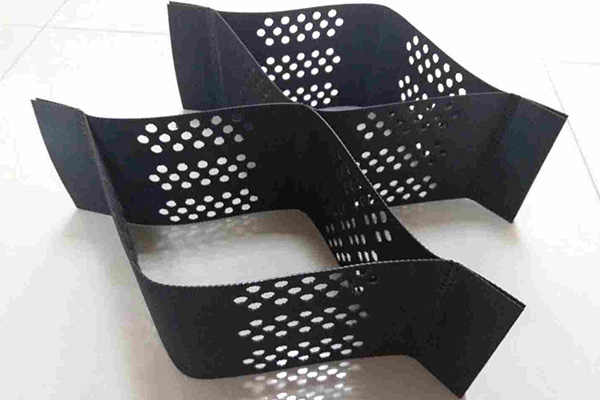
A geocell is a three-dimensional honeycomb-like structure made from polymer strips welded together. When expanded and filled with soil, gravel, or concrete, it forms a strong confinement system.
Geocell works by confining infill materials, preventing lateral movement and increasing load-bearing capacity.
Key Characteristics of Geocell:
- 3D honeycomb structure
- Expandable and flexible
- Typically made from HDPE
- Works through cellular confinement
Main Functions:
- Load distribution over weak soil
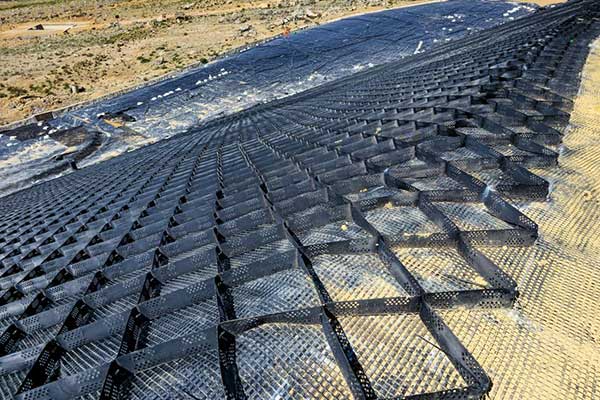
- Erosion control on slopes
- Slope protection and stabilization
- Channel and embankment protection
Common Applications:
- Steep slope stabilization
- Riverbank protection
- Road base reinforcement on weak subgrades
- Heavy load support platforms
Geogrid vs Geocell: Key Differences
1. Structure
- Geogrid: Flat, 2D mesh structure
- Geocell: 3D honeycomb cellular structure
This is the most fundamental difference.
2. Working Mechanism
- Geogrid: Strengthens soil through tensile reinforcement and interlocking
- Geocell: Strengthens soil through cellular confinement of infill material
3. Load Distribution
- Geogrid: Distributes load horizontally across a wider area
- Geocell: Distributes load in a confined vertical + horizontal system
4. Installation Method
- Geogrid: Laid flat in layers, covered with soil or aggregate
- Geocell: Expanded into honeycomb shape, filled with soil, gravel, or concrete
5. Performance on Weak Soil
- Geogrid: Effective for moderate soil improvement
- Geocell: Superior performance on extremely weak subgrades due to confinement effect
6. Cost and Material Usage
- Geogrid: Generally more economical
- Geocell: Higher cost but higher structural performance
Geogrid vs Geocell: Which One Should You Choose?
Choosing between geogrid and geocell depends on your project requirements:
Choose Geogrid When:
- You need base reinforcement for roads or railways
- Soil conditions are moderately stable
- Budget optimization is important
- Layered reinforcement is sufficient
Choose Geocell When:
- Soil is very weak or unstable
- You are working on slopes or erosion-prone areas
- High load-bearing capacity is required
- You need 3D confinement for added strength
Advantages of Using Geogrid and Geocell Together
In many modern engineering projects, geogrid and geocell are combined for superior performance:
- Geogrid provides tensile reinforcement
- Geocell provides lateral confinement
- Together they create a high-strength composite system
This combination is widely used in highways, mining roads, and heavy-duty industrial platforms.
Conclusion
The difference between geogrid and geocell lies mainly in their structure and reinforcement mechanism:
- Geogrid = 2D tensile reinforcement system
- Geocell = 3D confinement reinforcement system
Both are essential geosynthetics in modern civil engineering, and selecting the right one depends on soil conditions, project requirements, and budget.