
HDPE Geomembrane Pool Liners: Complete Guide
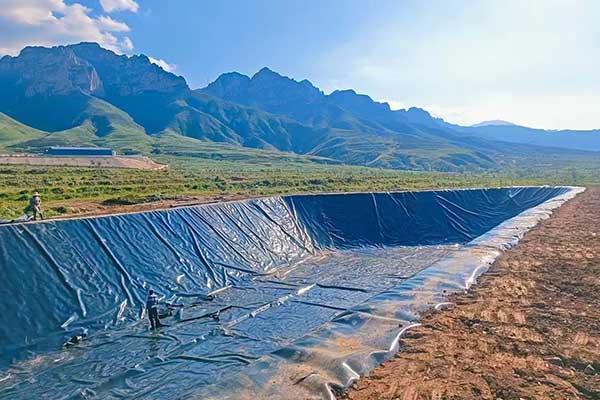
HDPE geomembrane pool liners are widely used for swimming pools, ponds, reservoirs, aquaculture facilities, and other water containment projects. Made from high-density polyethylene, they provide low permeability, high strength, chemical resistance, and reliable outdoor durability.
Compared with conventional concrete waterproofing or some flexible plastic liners, HDPE geomembrane is especially suitable for large and long-term water containment projects.
What is an HDPE Geomembrane Pool Liner?
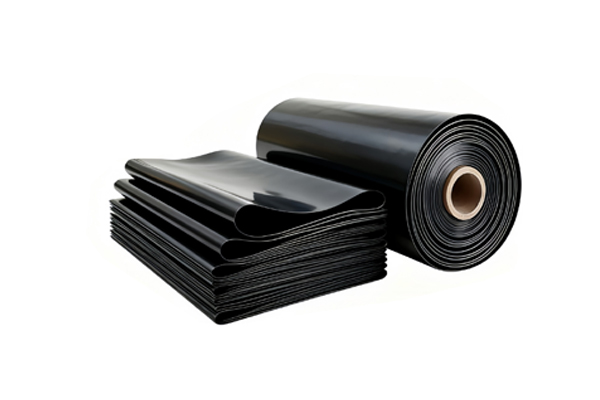
An HDPE geomembrane pool liner is a waterproof sheet made from high-density polyethylene resin. It forms an impermeable barrier between stored water and the underlying soil or structure.
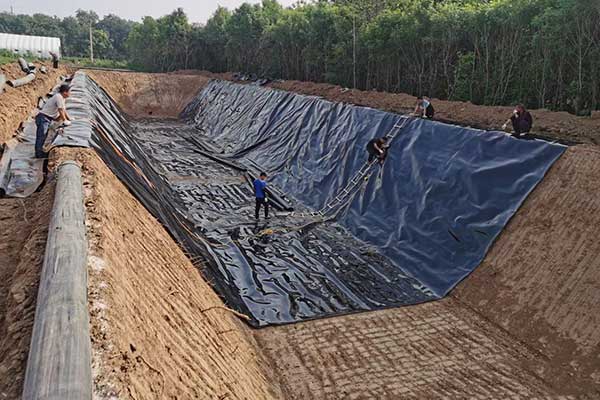
HDPE geomembranes are normally supplied in large rolls and joined on site by thermal welding. Properly welded seams create a continuous waterproof lining.
Common applications include:
- Swimming pools
- Decorative and aquaculture ponds
- Irrigation reservoirs
- Agricultural water storage
- Industrial water ponds
- Wastewater treatment ponds
- Fire water reservoirs
- Golf course ponds
- Landscape water features
Benefits of HDPE Geomembrane Pool Liners
1. Excellent Waterproofing
HDPE geomembrane has extremely low permeability. When correctly installed and welded, it greatly reduces water loss through the bottom and sides of a pool or pond.
This is particularly useful on permeable soils such as sand or gravel.
2. High Strength and Durability
HDPE offers good tensile strength and puncture resistance. It can withstand loads caused by water, soil movement, and installation activities, making it suitable for larger reservoirs and ponds.
3. Good UV Resistance
Quality HDPE geomembranes normally contain carbon black and stabilizers that improve resistance to ultraviolet radiation and environmental aging.
This makes them suitable for many exposed outdoor applications.
4. Chemical Resistance
HDPE has strong resistance to many acids, alkalis, salts, and other chemicals. It is therefore widely used in industrial wastewater ponds, mining ponds, sewage treatment facilities, and agricultural water storage.
For unusual or highly concentrated chemicals, material compatibility should still be checked.
5. Long Service Life
HDPE geomembrane is designed for long-term water containment applications. It offers good resistance to UV exposure, temperature changes, chemicals, and environmental aging. When the correct thickness is selected and the liner is properly installed and protected from mechanical damage, it can provide reliable waterproofing performance for many years.
HDPE Geomembrane Pool Liner Thickness
Common HDPE geomembrane thicknesses include:
| Thickness | Typical Applications |
|---|---|
| 0.5 mm | Small ponds and light-duty containment |
| 0.75 mm | Landscape ponds and agricultural applications |
| 1.0 mm | Aquaculture ponds and general water storage |
| 1.5 mm | Large reservoirs and demanding containment |
| 2.0 mm | Industrial, mining, wastewater, and heavy-duty applications |
There is no single thickness suitable for every project. The correct choice depends on pool size, water depth, subgrade conditions, mechanical loads, and expected service life.
For many permanent commercial water containment projects, 1.0 mm to 1.5 mm HDPE geomembrane offers a practical balance between strength, flexibility, and durability.
How to Choose an HDPE Pool Liner
Consider Pool Size and Water Depth
Larger and deeper pools place greater loads on the liner, so thicker geomembrane may be more appropriate.
Check the Subgrade
Sharp stones, roots, debris, and uneven ground can damage a liner. The subgrade should be smooth and properly compacted.
Where the ground is rough or rocky, a nonwoven geotextile protection layer can be installed beneath the geomembrane to reduce puncture risk.
Consider Exposure Conditions
The specification may vary depending on whether the liner will be:
- Fully exposed
- Partially covered
- Buried beneath soil
- Covered with concrete
- Continuously exposed to sunlight
Check Water Quality
Standard HDPE may be suitable for irrigation or landscape water. Drinking water, aquaculture, industrial wastewater, or chemical containment projects may require specific material or regulatory standards.
How Much Does an HDPE Geomembrane Pool Liner Cost?
The price of an HDPE geomembrane pool liner generally ranges from about $0.50 to $3.50 per square meter for the material only, depending mainly on thickness, material quality, order quantity, and required specifications.
Typical material prices are approximately:
| HDPE Thickness | Estimated Price |
|---|---|
| 0.5 mm | $0.50–$1.50/m² |
| 0.75 mm | $0.80–$2.00/m² |
| 1.0 mm | $1.10–$2.50/m² |
| 1.5 mm | $1.50–$3.00/m² |
| 2.0 mm | $2.30–$3.80+/m² |
For most pool, pond, and water storage projects using 1.0 mm to 1.5 mm HDPE geomembrane, the material cost is typically around $1.10 to $3.00 per m².
If professional installation is included, the total cost can increase to approximately $3.50 to $12 per m² or more, depending on site preparation, welding requirements, project size, labor costs, and location.
For large projects, buying directly from a geomembrane manufacturer can usually reduce the unit price. Shipping, geotextile protection layers, welding, anchor trenches, and other installation materials should also be included when calculating the total project cost.
HDPE Pool Liner Maintenance
HDPE geomembranes generally require limited maintenance, but exposed areas should be inspected for:
- Punctures
- Mechanical damage
- Damaged welds
- Excessive wrinkles
- Anchor movement
- Damage around pipes or penetrations
Small damaged areas can normally be repaired by welding an HDPE patch over the affected section.
Conclusion
HDPE geomembrane pool liners are a reliable solution for pools, ponds, reservoirs, and other water containment projects. Their low permeability, strong chemical resistance, and long-term durability make them suitable for both small and large applications.
For the best performance, choose the right thickness for the project, prepare the subgrade properly, and ensure that all seams are professionally welded and tested. A well-selected and properly installed HDPE liner can provide dependable waterproofing for many years.