
How To Use The Scaffolding Coupler: A Comprehensive Guide
Scaffolding couplers are essential components used to connect scaffolding tubes and create stable working platforms for construction projects. Whether you are building a temporary structure, supporting a high-rise project, or setting up an industrial maintenance platform, using scaffolding couplers correctly is critical for safety and stability.
In this guide, we will explain how to use a scaffolding coupler, the different types of couplers, installation steps, safety precautions, and tips for choosing the right coupler for your project.
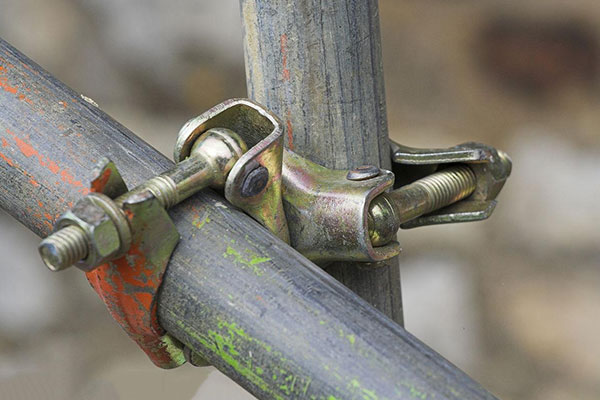
What is a Scaffolding Coupler?
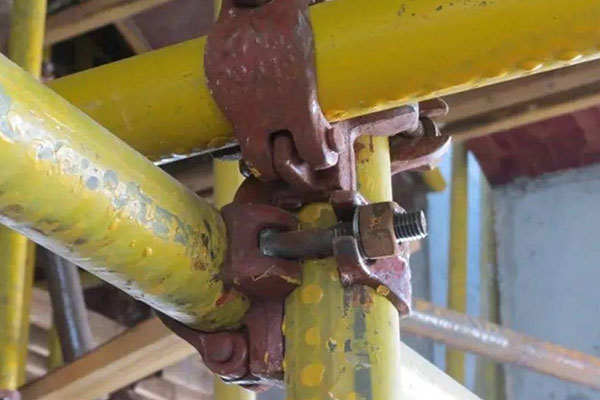
A scaffolding coupler is a metal fitting used to join scaffolding tubes together. It provides a secure connection between steel or aluminum scaffold pipes, allowing workers to build different scaffolding structures according to project requirements.
Most scaffolding systems use standard scaffold tubes with a diameter of 48.3 mm, and couplers are designed to firmly connect these tubes while maintaining the strength and rigidity of the scaffold structure.
Scaffolding couplers are commonly made from:
- Forged steel
- Pressed steel
- Cast iron
- Aluminum alloy
High-quality couplers are usually hot-dip galvanized or electro-galvanized to improve corrosion resistance and extend service life.
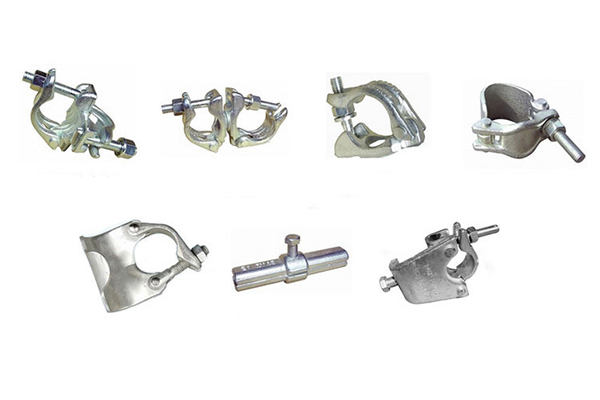
Common Types of Scaffolding Couplers
Before learning how to use a scaffolding coupler, it is important to understand the different types available.
1. Double Coupler (Right Angle Coupler)
A double coupler is the most common type of scaffolding fitting. It connects two scaffold tubes at a 90-degree angle.
Applications:
- Connecting standards and ledgers
- Building the main scaffolding frame
- Creating horizontal and vertical supports
2. Swivel Coupler
A swivel coupler allows two scaffold tubes to be connected at any angle.
Applications:
- Installing diagonal braces
- Creating irregular scaffold structures
- Supporting complex construction designs
3. Sleeve Coupler
A sleeve coupler connects two scaffold tubes end-to-end to extend the length of a tube.
Applications:
- Extending scaffold standards
- Connecting long horizontal members
4. Putlog Coupler
A putlog coupler is used to attach putlog tubes or transoms to scaffold structures.
Applications:
- Supporting scaffold boards
- Building traditional tube-and-fitting scaffolds
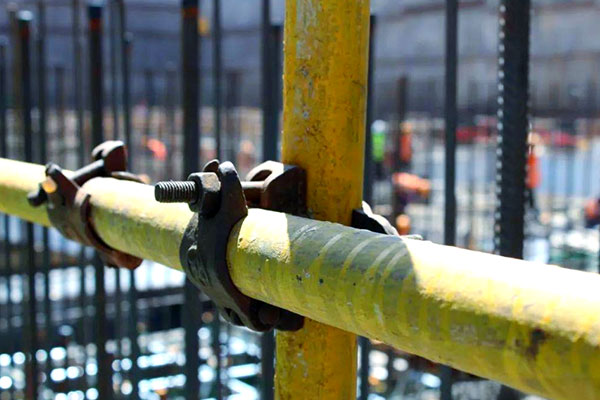
How To Use A Scaffolding Coupler Step by Step
Proper installation ensures the scaffolding system remains stable and safe during use.
Step 1: Prepare the Scaffold Tubes
Before installation:
- Check that the scaffold tubes are clean and free from excessive rust or damage.
- Confirm that the tube diameter matches the coupler specification.
- Ensure the tubes are straight and not deformed.
Damaged tubes or unsuitable fittings can reduce the load-bearing capacity of the scaffold.
Step 2: Position the Coupler on the Tubes
Place the scaffolding coupler over the connection point.
For a right-angle coupler:
- Insert one tube into one side of the coupler.
- Insert the second tube into the other side.
- Adjust the position until the tubes are aligned correctly.
For a swivel coupler:
- Insert both tubes into the clamp sections.
- Adjust the angle according to the scaffold design.
- Ensure the tubes are properly positioned before tightening.
Step 3: Tighten the Coupler Bolt
Use a suitable scaffold spanner to tighten the coupler bolt.
The bolt should be tightened firmly to create a secure connection, but avoid over-tightening, which may damage the tube or fitting.
Most professional scaffolding couplers require tightening to the manufacturer’s recommended torque specification, commonly around 50 Nm.
Step 4: Inspect the Connection
After installation, check:
- The coupler is fully closed.
- The bolt is properly tightened.
- The tubes cannot move or rotate.
- The connection matches the scaffold design requirements.
A loose coupler can cause scaffold movement and create serious safety risks.
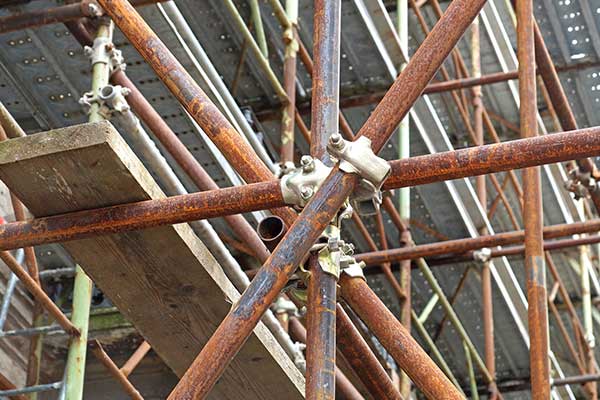
Safety Tips When Using Scaffolding Couplers
Using scaffolding couplers correctly is essential for preventing accidents. Follow these safety practices:
1. Use Certified Scaffolding Couplers
Always choose couplers that comply with recognized standards, such as:
- EN 74
- BS 1139
- AS/NZS 1576
Certified couplers are tested for strength, dimensions, and performance.
2. Inspect Couplers Before Installation
Do not use couplers with:
- Cracks
- Severe corrosion
- Damaged threads
- Missing components
- Deformed bodies
Regular inspection helps prevent structural failures.
3. Avoid Mixing Different Specifications
Do not combine scaffold tubes and couplers with incompatible sizes or standards.
For example, a 48.3 mm scaffold tube should be used with a compatible 48.3 mm coupler.
4. Do Not Modify Couplers
Never:
- Weld damaged couplers
- Drill additional holes
- Replace bolts with unsuitable parts
Modified fittings may lose their original strength rating.
How To Choose The Right Scaffolding Coupler
When purchasing scaffolding couplers, consider the following factors:
- Material Quality: High-quality steel provides better strength and durability. Galvanized finishes improve resistance against outdoor weather conditions.
- Manufacturing Standard: Choose suppliers that provide products tested according to international standards.
- Load Capacity: Different applications require different coupler grades. Heavy-duty construction projects should use couplers with verified load ratings.
Conclusion
Learning how to use a scaffolding coupler correctly is essential for building a safe and stable scaffolding system. By selecting the right coupler type, following proper installation procedures, and performing regular inspections, construction teams can improve workplace safety and ensure reliable scaffold performance.
If you are looking for reliable scaffolding couplers for your construction projects, Shelter provides high-quality scaffolding fittings designed for strength, durability, and long-term performance. Contact us today for competitive pricing, product details, and a customized scaffolding solution for your project.