
Double Wall Corrugated Pipes for Drainage System
Efficient drainage is essential for protecting infrastructure, agricultural land, and urban developments from water damage. One of the most reliable solutions available today is the double wall corrugated pipe. Designed to provide excellent strength, durability, and hydraulic performance, these pipes have become the preferred choice for municipal, industrial, agricultural, and residential drainage projects.
What Is a Double Wall Corrugated Pipe?
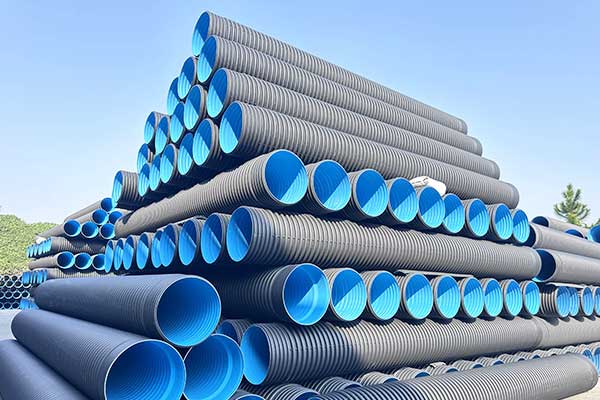
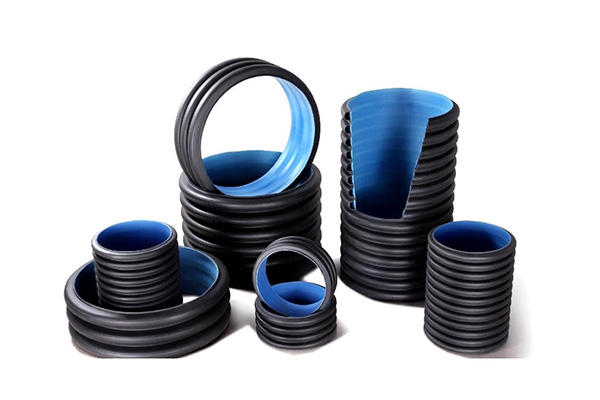
A double wall corrugated pipe is a thermoplastic pipe consisting of two distinct layers:
- Outer Layer: Corrugated surface that provides high ring stiffness and load-bearing capacity.
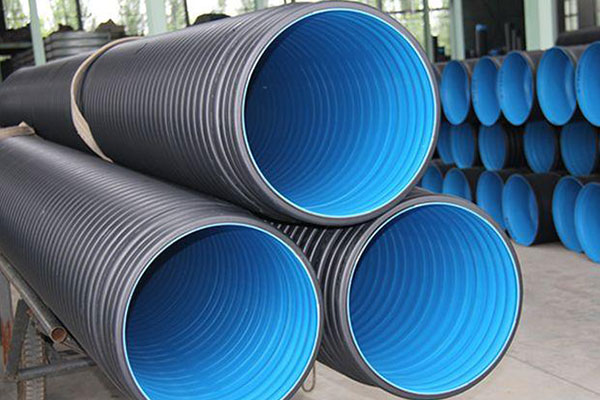
- Inner Layer: Smooth interior wall that minimizes friction and allows efficient water flow.
The combination of these two layers creates a lightweight pipe with excellent mechanical strength and superior hydraulic efficiency.
Most double wall corrugated pipes are manufactured from:
- High-Density Polyethylene (HDPE)
- Polypropylene (PP)
HDPE remains the most common material because of its outstanding flexibility, chemical resistance, and long service life.
Advantages of Double Wall Corrugated Pipes
1. Lightweight
Compared with concrete or metal pipes, HDPE double wall corrugated pipes weigh significantly less, making transportation and installation easier.
Benefits include:
- Lower labor costs
- Reduced transportation expenses
- Faster installation
2. Excellent Ring Stiffness
The corrugated outer wall provides exceptional structural strength.
Typical stiffness classes include:
- SN4
- SN8
- SN12.5
- SN16
These allow the pipes to perform well under roads, highways, airports, and industrial facilities.
3. Superior Flow Performance
The smooth inner wall minimizes friction.
Advantages:
- Higher flow capacity
- Lower energy loss
- Reduced sediment accumulation
- Less maintenance
4. Corrosion Resistance
Unlike steel or concrete pipes, HDPE pipes resist:
- Acids
- Alkalis
- Salts
- Industrial chemicals
- Electrochemical corrosion
This makes them ideal for aggressive environments.
5. Long Service Life
Properly installed HDPE double wall corrugated pipes typically provide a service life of 50 years or more, reducing lifecycle costs.
6. Leak-Free Connections
Modern pipe systems use:
- Rubber ring socket joints
- Bell-and-spigot connections
- Electrofusion fittings (where applicable)
These provide reliable sealing and minimize groundwater infiltration.
7. Environmental Benefits
HDPE is recyclable and requires less energy during manufacturing compared with traditional materials.
Additional benefits include:
- Lower carbon footprint
- Reduced maintenance
- Minimal water leakage
Applications of Double Wall Corrugated Pipes
Double wall corrugated pipes are suitable for numerous drainage applications.
1. Municipal Drainage
Used in:
- Urban drainage networks
- Stormwater collection
- Sewer systems
- Flood control
2. Highway Drainage
Installed beneath:
- Roads
- Expressways
- Bridges
- Parking lots
The pipes efficiently remove rainwater and protect road foundations.
3. Agricultural Drainage
Widely used for:
- Farmland drainage
- Irrigation systems
- Land reclamation
- Water management
4. Residential Drainage
Suitable for:
- Housing developments
- Residential communities
- Building foundations
- Landscape drainage
5. Industrial Projects
Ideal for:
- Industrial wastewater
- Factory drainage
- Chemical plants
- Mining operations
6. Railway Drainage
Helps prevent water accumulation around railway foundations, extending infrastructure lifespan.
Common Sizes of Double Wall Corrugated Pipes
Double wall corrugated pipes are available in various diameters to suit different drainage capacities.
| Nominal Diameter | Common Applications |
|---|---|
| DN110 | Residential drainage |
| DN160 | Small drainage systems |
| DN200 | Municipal drainage |
| DN250 | Stormwater drainage |
| DN300 | Highway drainage |
| DN400 | Urban sewer systems |
| DN500 | Large drainage networks |
| DN600 | Municipal infrastructure |
| DN800 | Major stormwater projects |
| DN1000+ | Large civil engineering works |
Custom sizes are also available depending on project requirements.
Quality Standards
Reliable manufacturers produce DWC pipes according to internationally recognized standards, such as:
- ISO standards
- EN standards
- ASTM standards
- National quality certifications
Always verify compliance with local project specifications before purchasing.
Installation Process
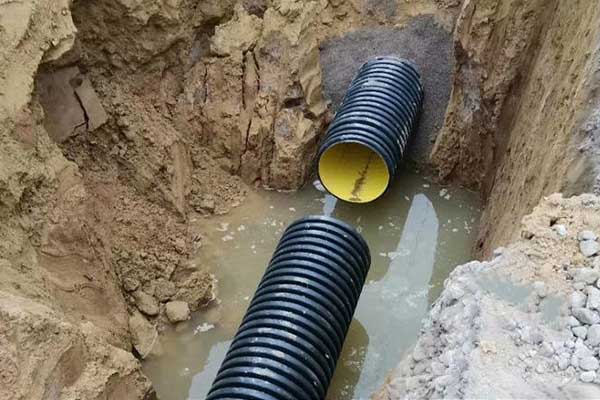
Proper installation is critical for maximizing service life.
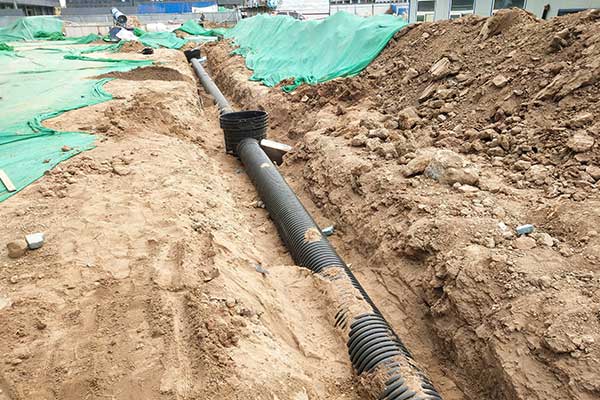
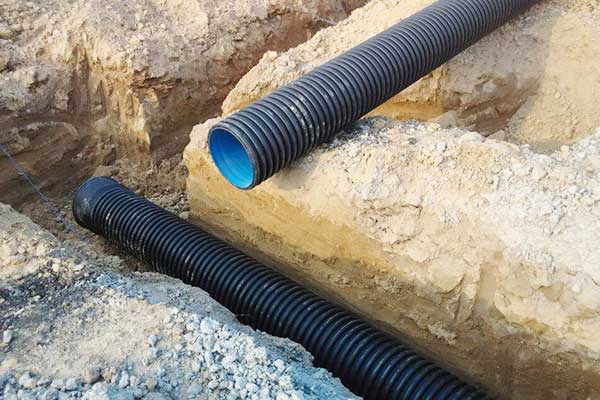
Step 1: Trench Preparation
Ensure:
- Proper trench width
- Stable foundation
- Adequate bedding material
Sand or fine gravel is commonly used.
Step 2: Pipe Placement
Lay the pipes according to the designed slope to ensure efficient drainage.
Step 3: Joint Assembly
Install rubber seals carefully to achieve watertight connections. Check joint alignment before backfilling.
Step 4: Backfilling
Use suitable backfill material around the pipe. Compact evenly on both sides to prevent pipe displacement.
Step 5: Final Inspection
Inspect for:
- Alignment
- Joint integrity
- Slope accuracy
- Leakage
Testing may include hydrostatic or air pressure tests depending on project specifications.
How to Choose the Right Double Wall Corrugated Pipe
When selecting a drainage pipe, consider:
- Required pipe diameter
- Ring stiffness (SN4, SN8, SN16)
- Installation depth
- Soil conditions
- Traffic load
- Drainage capacity
- Connection method
- Applicable standards
Working with an experienced supplier helps ensure the correct specifications for your project.
Maintenance Tips
One advantage of HDPE double wall corrugated pipes is their minimal maintenance needs.
Routine inspections should include:
- Removing debris from inlets
- Checking for blockages
- Inspecting joints
- Monitoring settlement in surrounding soil
Proper maintenance helps maximize service life.
Frequently Asked Questions
When properly installed and maintained, they typically have a service life of 50 years or more.
Single wall corrugated pipes have only one corrugated layer and are generally used for cable protection or light-duty drainage. Double wall corrugated pipes feature a corrugated outer wall and a smooth inner wall, offering greater structural strength and improved hydraulic performance.
Yes. HDPE pipes offer excellent resistance to many acids, alkalis, salts, and industrial chemicals, making them suitable for a variety of drainage applications.
Yes. They are specifically designed for underground applications. Their high ring stiffness allows them to withstand soil pressure and traffic loads while maintaining their structural integrity.
The maximum burial depth depends on the pipe diameter, ring stiffness, soil conditions, and installation quality. Properly designed systems can often be buried several meters underground while maintaining structural performance.
Yes. HDPE pipes are highly resistant to saltwater corrosion and are widely used in coastal drainage systems, ports, and marine infrastructure projects.
Conclusion
Double wall corrugated pipes have become the preferred solution for modern drainage systems because they combine high strength, lightweight construction, excellent hydraulic performance, and long-term durability. Whether used in municipal infrastructure, highways, agriculture, industrial facilities, or residential developments, these pipes provide reliable drainage while reducing installation and maintenance costs.
Looking for a reliable double wall corrugated pipe supplier for your drainage project? We offer high-quality HDPE double wall corrugated pipes in a wide range of diameters and ring stiffness ratings to meet the requirements of municipal, highway, agricultural, and industrial applications. Contact us today to request a free quote or learn more about our double wall corrugated pipe solutions.