
Geomembrane Liner: Everything You Need to Know
A geomembrane liner is a low-permeability synthetic membrane widely used in civil engineering, environmental protection, mining, agriculture, and water management projects. Designed to serve as an impermeable barrier, geomembrane liners prevent the migration of liquids, gases, and contaminants into the surrounding soil and groundwater.
As infrastructure and environmental regulations continue to evolve, geomembrane liners have become an essential component in landfill containment systems, mining operations, reservoirs, ponds, canals, and wastewater treatment facilities.
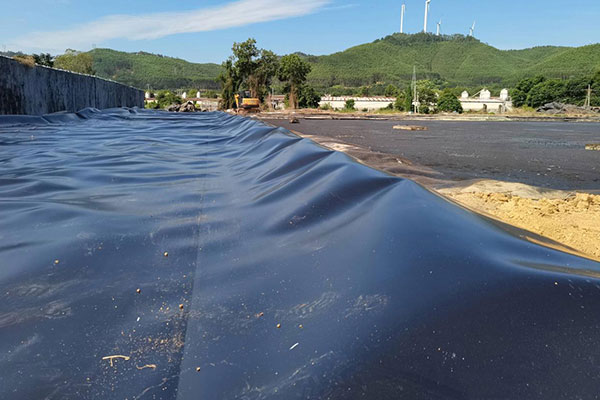
What is a Geomembrane Liner?
A geomembrane liner is a flexible polymeric sheet manufactured from materials such as High-Density Polyethylene (HDPE), Low-Density Polyethylene (LDPE), Linear Low-Density Polyethylene (LLDPE), Polyvinyl Chloride (PVC), Ethylene Propylene Diene Monomer (EPDM), or Polypropylene (PP).
The primary purpose of a geomembrane liner is to create an impermeable barrier that prevents the leakage of liquids and gases. Because of its extremely low permeability, a geomembrane effectively isolates hazardous substances and protects surrounding ecosystems.
Geomembrane liners are typically installed over prepared subgrades and may be used alone or combined with other geosynthetic materials such as geotextiles, geonets, and geogrids to form integrated containment systems.
How Does a Geomembrane Liner Work?
Geomembrane liners function by creating a continuous waterproof barrier between stored materials and the underlying soil.
When properly installed and welded, the liner forms a seamless containment layer that:
- Prevents liquid seepage into the ground
- Reduces groundwater contamination risks
- Controls gas migration
- Minimizes evaporation losses
- Protects surrounding ecosystems
- Improves storage efficiency
The effectiveness of a geomembrane liner depends on factors such as material quality, thickness, welding integrity, subgrade preparation, and environmental conditions.
Types of Geomembrane Liners
There are several types of geomembrane liners, each with unique properties suited to different applications:
- HDPE Geomembrane Liners – Highly resistant to chemicals and UV radiation, making them ideal for landfills, ponds, and wastewater containment.
- LDPE Geomembrane Liners – More flexible than HDPE, suitable for applications where flexibility is crucial.
- PVC Geomembrane Liners – Lightweight and flexible, often used in decorative ponds, canals, and reservoirs.
- EPDM Geomembrane Liners – Rubber-based liners with excellent elasticity, commonly used in water features and lining systems that require high flexibility.
- Composite Geomembranes – Combination of geomembranes with geotextiles or other materials to improve puncture resistance and mechanical strength.
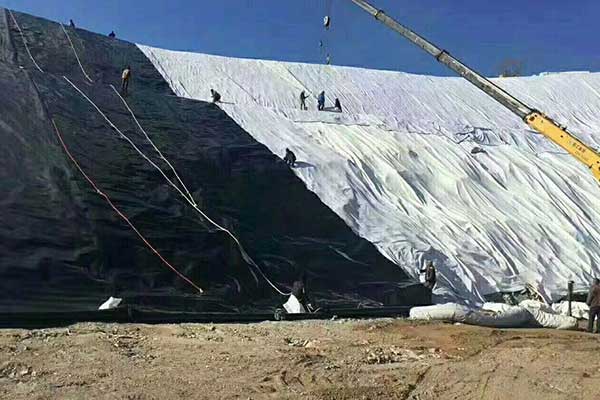
Applications of Geomembrane Liners
Geomembrane liners are used in a wide range of applications, particularly where fluid containment is critical:
- Landfills and Waste Containment – Prevents leachate from contaminating soil and groundwater.
- Mining Industry – Used in tailings ponds and heap leach pads for safe containment of mining byproducts.
- Water Containment – Ideal for reservoirs, canals, ponds, and irrigation systems.
- Environmental Protection – Prevents leakage of hazardous chemicals in industrial facilities.
- Civil Engineering Projects – Protects embankments, tunnels, and reservoirs from water infiltration.
Benefits of Using a Geomembrane Liner
Using geomembrane liners offers numerous advantages:
- Leak Prevention – Acts as a reliable barrier against liquids and gases.
- Durability – Resistant to chemical attack, UV radiation, and extreme temperatures.
- Cost-Effective – Reduces the need for expensive maintenance and soil remediation.
- Easy Installation – Can be quickly installed in large areas with proper welding techniques.
- Environmentally Friendly – Helps prevent soil and groundwater contamination.
Common Geomembrane Thicknesses
The appropriate thickness depends on project requirements and environmental conditions.
Typical geomembrane thicknesses include:
| Thickness | Common Applications |
|---|---|
| 0.5 mm | Small ponds and agricultural projects |
| 0.75 mm | Irrigation canals and reservoirs |
| 1.0 mm | Fish ponds and water containment |
| 1.5 mm | Landfills and mining facilities |
| 2.0 mm | Hazardous waste containment |
| 2.5 mm+ | Heavy-duty industrial applications |
Factors to Consider When Choosing a Geomembrane Liner
Before selecting a geomembrane liner, consider:
- Material Type: Different materials provide varying levels of flexibility, chemical resistance, and durability.
- Environmental Conditions: Assess UV exposure, temperature fluctuations, and weather conditions.
- Chemical Exposure: Determine the types of chemicals the liner will encounter.
- Mechanical Requirements: Evaluate puncture resistance, tensile strength, and load-bearing demands.
- Project Lifespan: Long-term projects often require thicker, higher-performance geomembranes.
- Installation Method: Consider welding requirements, terrain conditions, and site accessibility.
Geomembrane Installation Overview
Successful geomembrane performance depends heavily on proper installation.
The installation process typically includes:
- Site preparation and grading
- Subgrade inspection
- Geomembrane deployment
- Panel alignment
- Thermal welding or extrusion welding
- Seam testing and quality control
- Final inspection and commissioning
Professional installation ensures optimal performance and long-term reliability.
Conclusion
A geomembrane liner is a versatile and effective solution for fluid containment and environmental protection. With the right material choice and proper installation, it can provide long-lasting performance in landfills, mining operations, water reservoirs, and many other applications.
Looking for a reliable geomembrane liner supplier? Shelter offers durable, cost-effective geomembrane solutions for a wide range of containment applications. Contact us today for a free quote.