
HDPE Pipe Price: Key Factors and Cost Guide
When it comes to infrastructure, whether it’s for water distribution, gas supply, or drainage systems, HDPE (High-Density Polyethylene) pipes are a popular choice. They are known for their durability, resistance to corrosion, and cost-effectiveness. However, when purchasing HDPE pipes, many buyers are keen to understand the price range and the factors that influence it. In this article, we’ll break down what affects HDPE pipe prices and offer a general price guide.
What is HDPE Pipe?
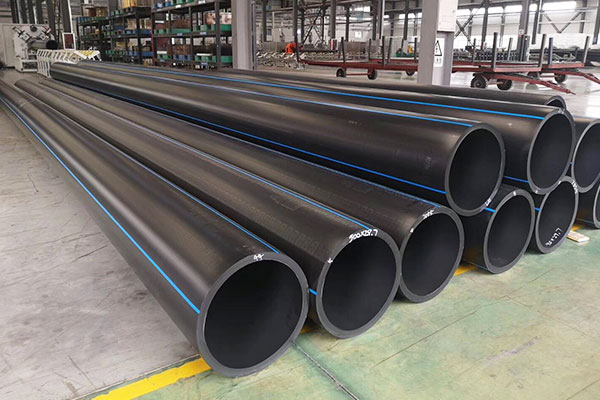
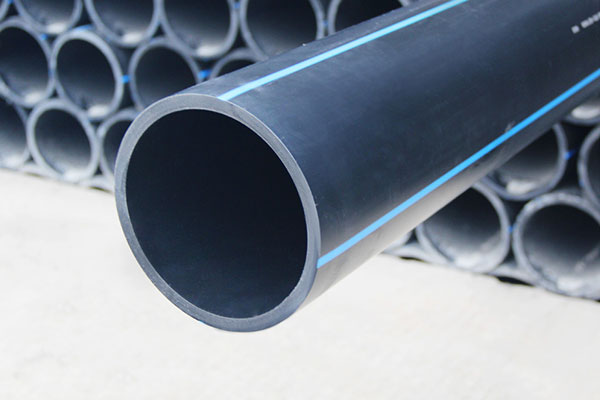
HDPE pipes are plastic pipes made from high-density polyethylene, offering excellent mechanical properties and resistance to chemicals. They are used in a wide range of applications, including water supply, sewage systems, and industrial piping. The strength and flexibility of HDPE pipes make them a great alternative to traditional metal pipes, especially in harsh environmental conditions.
Factors Affecting HDPE Pipe Price
The price of HDPE pipes is influenced by several key factors. Here are the main ones:
1. Diameter and Length
The most significant factor that influences the cost of HDPE pipes is the size. Larger diameter pipes require more material and production time, which drives up the price. For instance, a small 50mm diameter pipe will cost less than a larger 200mm diameter pipe. Additionally, the length of the pipe can affect the price. Longer lengths require more raw material and higher manufacturing costs.
2. Quality of Raw Material
The quality of the polyethylene material used in the manufacturing process also affects the price. High-grade HDPE material will have better durability, resistance to chemicals, and long-term performance, but it will come at a higher price. Pipes made from lower-grade HDPE material may be cheaper initially but could lead to higher long-term maintenance costs due to faster wear and tear.
3. Pressure Rating
HDPE pipes come in different pressure ratings, which indicate how much pressure they can withstand. Higher pressure-rated pipes, which are required for specific applications such as gas or high-pressure water systems, will cost more due to their additional strength and manufacturing complexity.
4. Coatings and Additives
HDPE pipes can be coated with various materials to enhance their resistance to UV rays, corrosion, or chemicals. These coatings and additives can increase the overall cost of the pipe. For instance, pipes designed for underground use may have an additional protective coating to prevent degradation.
5. Manufacturing Method
There are different methods of manufacturing HDPE pipes, including extrusion and molding. The extrusion process is commonly used for producing long pipes, while molding is used for creating fittings and joints. The complexity of the manufacturing method impacts the cost. Extruded pipes are often less expensive than molded ones, though high-quality extrusions may come at a premium.
6. Market Demand and Supply
Like most commodities, the supply and demand dynamics can significantly influence HDPE pipe prices. If demand is high due to large infrastructure projects or increased construction activity, prices may rise. Additionally, any supply chain disruptions, such as raw material shortages or transportation delays, could cause prices to fluctuate.
7. Geographical Location
Location plays a crucial role in pricing. Shipping costs, import tariffs, and local regulations can add extra charges. For example, buying HDPE pipes in a region where raw materials are abundant may lower the price, while importing them from distant suppliers can add transportation and customs fees.
General HDPE Pipe Price Range
While HDPE pipe prices vary widely depending on the factors mentioned above, here’s a rough estimate to guide you:
- Small Diameter Pipes (20mm to 100mm): $0.50 – $2.00 per meter
- Medium Diameter Pipes (100mm to 300mm): $2.00 – $5.00 per meter
- Large Diameter Pipes (300mm to 1000mm): $5.00 – $15.00 per meter
- High-Pressure Pipes: Prices may vary based on pressure rating, but these pipes typically cost 10%-30% more than standard pipes.
How to Save on HDPE Pipe Costs
While HDPE pipes offer significant cost advantages over metal pipes, there are ways to further reduce costs:
- Bulk Purchasing: If you’re planning to purchase large quantities of HDPE pipes, buying in bulk can lead to significant discounts. Many suppliers offer price reductions for large orders.
- Choosing Standard Sizes: Opting for commonly used sizes rather than custom dimensions can help you avoid premium pricing for non-standard pipes.
- Supplier Selection: Do your research and choose suppliers who offer the best value for money without compromising quality. Compare prices from multiple suppliers to find the best deal.
Conclusion
The price of HDPE pipes depends on several factors, including diameter, pressure rating, raw material quality, and geographical location. While HDPE pipes are generally cost-effective, understanding the variables that affect pricing will help you make more informed purchasing decisions. Always consider factors like pipe quality, longevity, and specific application requirements to find the best balance between cost and performance.
Get the Best HDPE Pipe Prices for Your Project Today!
Looking for high-quality HDPE pipes at competitive prices? Contact us now to receive a custom quote tailored to your project’s needs. Whether you’re working on water supply systems, drainage solutions, or industrial applications, we’ve got you covered with a wide range of sizes, pressure ratings, and coatings.