
HDPE vs LLDPE Geomembrane: Key Differences
Geomembranes play a critical role in various industries, offering an efficient barrier for liquid and gas containment. Among the most widely used geomembranes are HDPE (High-Density Polyethylene) and LLDPE (Linear Low-Density Polyethylene), both of which have unique characteristics, benefits, and applications. In this article, we’ll explore the key differences between HDPE and LLDPE geomembranes to help you make an informed decision about which material best suits your project’s needs.
What is a Geomembrane?
A geomembrane is a synthetic membrane used for separating materials, often in environmental or construction applications. These membranes serve as impermeable barriers to liquids and gases, making them essential for applications like landfill lining, water reservoirs, and waste containment. Geomembranes are made from a variety of polymers, with HDPE and LLDPE being the most popular choices.
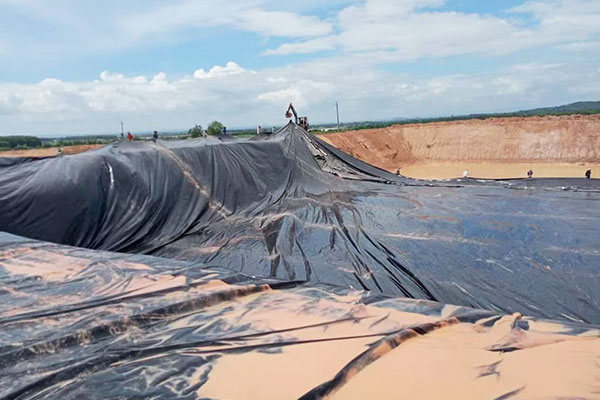
HDPE Geomembrane: High-Density Polyethylene
HDPE geomembranes are made from high-density polyethylene, a type of polymer known for its superior strength and durability. This material is characterized by its low permeability, high chemical resistance, and excellent environmental stability, making it ideal for various containment applications.
Key Benefits of HDPE Geomembranes:
- Superior Strength and Durability: HDPE geomembranes are designed to withstand high stress and physical damage, making them perfect for demanding environments such as landfills and mining sites.
- Chemical Resistance: These geomembranes have a high resistance to oils, solvents, acids, and alkalis, making them ideal for applications in industries where exposure to hazardous materials is common.
- Longevity: HDPE geomembranes are known for their long service life, often lasting for decades when properly installed and maintained.
- High Performance: With excellent resistance to UV degradation, HDPE membranes are suitable for outdoor use and harsh climates.
Typical Applications of HDPE Geomembranes:
- Landfill lining and capping
- Mining and leachate containment
- Wastewater treatment plants
- Aquaculture ponds and water reservoirs
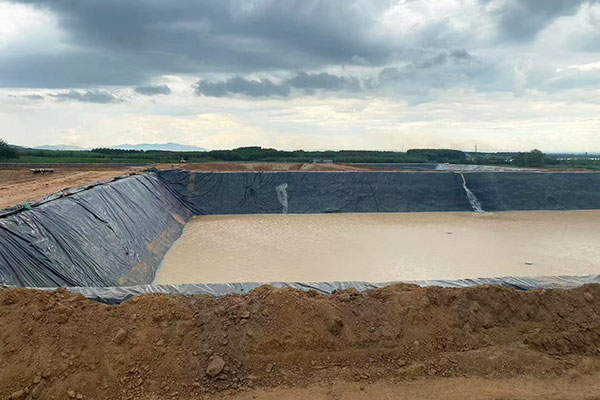
LLDPE Geomembrane: Linear Low-Density Polyethylene
LLDPE geomembranes are made from linear low-density polyethylene, a polymer that is known for its flexibility, elongation properties, and good environmental stress crack resistance. While LLDPE is not as stiff as HDPE, it offers superior flexibility, making it ideal for certain applications where flexibility is more important than strength.
Key Benefits of LLDPE Geomembranes:
- Enhanced Flexibility: LLDPE geomembranes are much more flexible than HDPE, making them easier to install, especially in uneven or irregular surfaces.
- Better Elongation: LLDPE has higher elongation properties, allowing it to stretch without tearing or cracking. This is important for applications where ground movement or shifting is expected.
- Stress Crack Resistance: LLDPE offers good resistance to environmental stress cracking, which increases its durability in applications with fluctuating temperatures or aggressive environments.
- UV Resistance: While not as UV-resistant as HDPE, LLDPE still offers good protection against UV degradation, particularly when enhanced with additives.
Typical Applications of LLDPE Geomembranes:
- Pond liners for agricultural use
- Water containment systems in mining operations
- Landfill base liners
- Aquaculture and fish farming applications
Comparing HDPE and LLDPE Geomembranes
| Feature | HDPE Geomembrane | LLDPE Geomembrane |
|---|---|---|
| Density | High density, rigid | Low density, flexible |
| Strength | Superior strength, stiff | Good elongation and flexibility |
| Chemical Resistance | Excellent resistance to chemicals | Good chemical resistance |
| Flexibility | Less flexible | Highly flexible |
| UV Resistance | Excellent UV resistance | Moderate UV resistance |
| Temperature Resistance | High resistance to extreme temperatures | Good resistance but slightly lower than HDPE |
| Elongation | Low elongation | High elongation |
| Cost | Generally more expensive | More cost-effective |
| Applications | Landfill, mining, wastewater containment | Agricultural ponds, fish farming, irregular surfaces |
Which Geomembrane Should You Choose: HDPE or LLDPE?
When deciding between HDPE and LLDPE geomembranes, the choice depends on several factors, including the specific requirements of your project and budget.
- For High Strength and Durability: If your project involves extreme conditions, such as landfill lining, mining, or high-stress containment, HDPE is likely the better choice. Its superior strength, chemical resistance, and UV stability make it the go-to option for these high-demand environments.
- For Flexibility and Ease of Installation: If your project involves complex shapes, surfaces, or applications where flexibility is important, LLDPE is the ideal material. It offers easier installation and better elongation properties, especially in projects like agricultural ponds or where the geomembrane needs to accommodate shifting or settling.
- Cost Considerations: If budget is a significant concern, LLDPE may be the more cost-effective option for applications that don’t require the extreme durability of HDPE but still need reliable performance.
Conclusion
Both HDPE and LLDPE geomembranes offer unique advantages depending on the specific needs of your project. HDPE is the preferred choice for applications requiring strength, chemical resistance, and UV protection, while LLDPE excels in flexibility and elongation, making it ideal for projects where these qualities are paramount. Understanding the differences between these materials will help you select the most appropriate geomembrane to ensure the success and longevity of your containment project.
For more information on geomembranes and their applications, contact us today and get expert advice tailored to your needs.