
How Long Does HDPE Pipe Last?
High-density polyethylene (HDPE) pipe is widely used in water supply, gas distribution, mining, irrigation, drainage, and industrial applications. One of the most common questions engineers, contractors, and project owners ask is: How long does HDPE pipe last?
The short answer: HDPE pipe typically lasts 50 to 100 years or more, depending on application conditions, installation quality, and environmental factors.
In this article, we’ll break down the expected lifespan of HDPE pipe and what affects its durability.
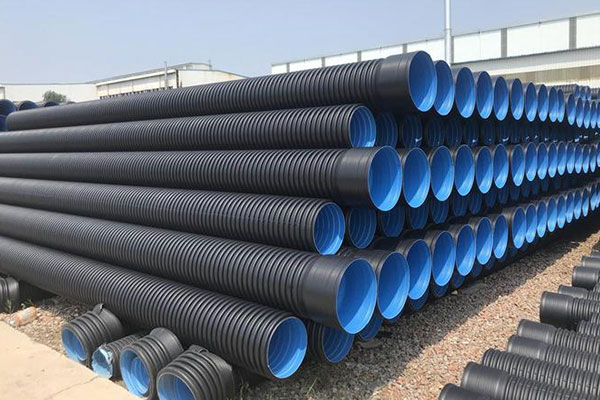
What is HDPE Pipe?
HDPE (High-Density Polyethylene) pipe is a flexible thermoplastic pipe made from petroleum-based polyethylene resin. It is known for:
- High impact resistance
- Excellent corrosion resistance
- Chemical resistance
- Flexibility
Unlike metal pipes, HDPE does not rust, scale, or corrode. Compared to materials like PVC or concrete, it offers superior flexibility and crack resistance under stress.
Factors That Affect HDPE Pipe Longevity
1. Operating Pressure
HDPE pipes are pressure-rated (e.g., SDR11, SDR17). Operating consistently within the rated pressure significantly extends service life. Excessive pressure or pressure surges (water hammer) may reduce longevity.
2. Temperature
HDPE performs best at moderate temperatures. Higher temperatures accelerate material aging. For example:
- At 20°C (68°F): lifespan can exceed 100 years
- At 40°C (104°F): lifespan may reduce depending on pressure
Design adjustments are required for high-temperature applications.
3. UV Exposure
HDPE pipes exposed to direct sunlight for long periods may experience surface degradation. However, most black HDPE pipes contain carbon black additives for UV protection.
For above-ground installations, UV-stabilized pipe or protective covering is recommended.
4. Chemical Resistance
HDPE has excellent chemical resistance, but extreme chemicals or oxidizing agents can affect durability. Always confirm chemical compatibility before installation.
5. Installation Quality
Improper installation can significantly reduce pipe lifespan. Key considerations include:
- Proper trench design
- Correct backfilling material
- Controlled fusion welding
- Avoiding excessive bending stress
Correct installation following industry standards ensures maximum longevity.
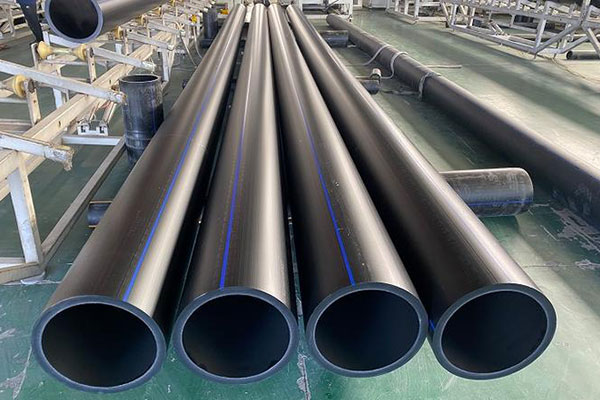
Why HDPE Pipes Last So Long
1. Corrosion Resistance
Unlike steel or ductile iron pipes, HDPE does not rust or corrode. This eliminates one of the biggest causes of pipeline failure.
2. No Joint Leakage
Traditional pipelines often fail at joints. HDPE uses butt fusion or electrofusion welding, creating a continuous pipe system stronger than the pipe itself.
3. Flexibility and Crack Resistance
HDPE can bend without breaking and withstand ground movement, earthquakes, and soil settlement better than rigid pipes.
4. Abrasion Resistance
HDPE performs exceptionally well in slurry and mining applications due to its high abrasion resistance.
How to Maximize HDPE Pipe Lifespan
To ensure maximum durability:
- Choose the correct pressure rating (SDR).
- Follow proper fusion welding procedures.
- Avoid over-pressurization.
- Use UV-protected pipes for above-ground installation.
- Ensure proper trenching and backfill support.
- Conduct pressure testing before commissioning.
Working with an experienced HDPE pipe supplier also ensures material quality and compliance with international standards.
Conclusion: Is HDPE Pipe a Long-Term Investment?
Yes — HDPE pipe is one of the longest-lasting piping solutions available today. With a design life of 50–100+ years, excellent corrosion resistance, and leak-free joints, HDPE provides superior long-term performance and lower lifecycle costs compared to many traditional materials.
For infrastructure projects, water systems, gas distribution, and industrial pipelines, HDPE is not just durable — it’s a smart investment for long-term reliability.