
Application of Fiberglass Geogrid in Highway Engineering
As traffic volume continues to grow, highway pavements face increasing pressure from vehicle loads, temperature changes, and environmental erosion. To enhance pavement performance and prolong service life, engineers increasingly turn to fiberglass geogrids—a reinforcement material known for its high tensile strength, thermal stability, and excellent bonding with asphalt layers. Today, fiberglass geogrids have become a standard solution in modern highway engineering.
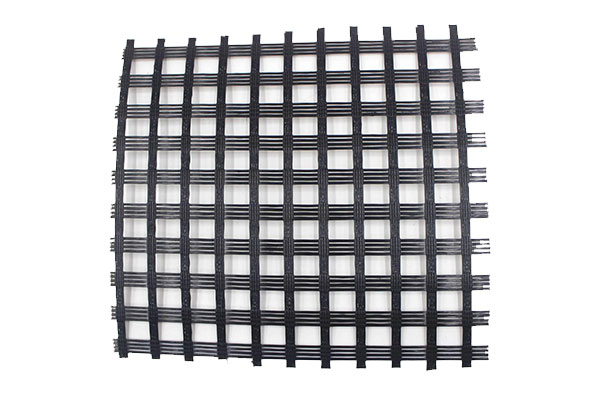
What is a Fiberglass Geogrid?
A fiberglass geogrid is a geosynthetic reinforcement product made from high-strength fiberglass yarns coated with bitumen or polymer resin. It forms a mesh grid with stable physical properties.
Its key characteristics include:
- High tensile strength in both directions
- Low elongation at break, meaning minimal deformation under load
- Excellent resistance to high temperatures
- Strong bonding with asphalt layers
- Corrosion and aging resistance
Thanks to these properties, fiberglass geogrids are ideal for reinforcing asphalt pavements and preventing reflective cracking.
Why Fiberglass Geogrid Is Used in Highway Engineering
Highways endure continuous stress from vehicle loads, temperature changes, and environmental factors. These stresses can lead to pavement cracks, rutting, and premature failure. Fiberglass geogrid solves these problems by:
1. Preventing Reflective Cracks
Reflective cracking usually occurs when a new asphalt overlay is applied on a cracked or aged pavement. Fiberglass geogrids absorb tensile stress and distribute load evenly, preventing cracks from propagating upward into the new asphalt layer.
2. Enhancing Pavement Load-Bearing Capacity
High-speed highways experience heavy loads from trucks and buses. When laid between asphalt layers, fiberglass geogrids improve the pavement’s overall structural strength and resistance to deformation.
3. Reducing Rutting and Fatigue Damage
Under continuous traffic loads and high temperatures, asphalt pavements can develop ruts. Fiberglass geogrids help maintain shape stability by reducing shear stress and controlling permanent deformation.
4. Increasing the Service Life of Pavements
By mitigating structural defects such as reflective cracking and rutting, fiberglass geogrids significantly extend the life expectancy of both new and rehabilitated highways.
5. Lowering Maintenance and Reconstruction Costs
Long-lasting pavement performance means fewer repairs, leading to substantial savings in long-term maintenance budgets.
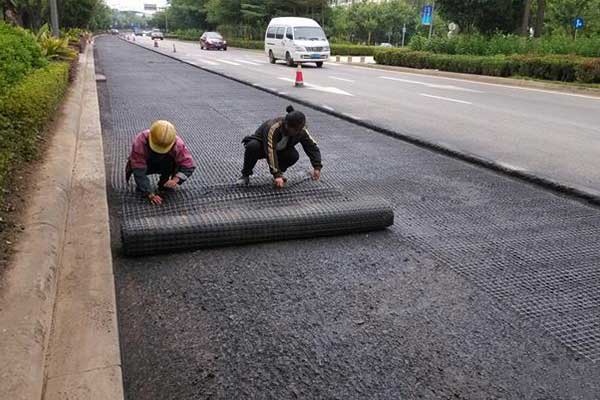
Main Applications of Fiberglass Geogrid in Highway Projects
1. Asphalt Overlay Reinforcement
The most common application. Placed between old and new asphalt layers, fiberglass geogrid:
- reduces reflective cracks
- increases bonding
- improves long-term stability
Best for: highway maintenance, resurfacing projects, urban roads.
2. New Highway Construction
In new construction projects, fiberglass geogrid is placed between asphalt layers or above base layers to:
- enhance tensile strength
- prevent early asphalt fatigue
- minimize rutting
Best for: expressways, heavy-duty roads, airport runways.
3. Concrete Pavement Rehabilitation
When concrete pavement is overlaid with asphalt, joints and cracks often reappear. Fiberglass geogrid effectively:
- stabilizes reflection at joints
- delays crack propagation
- improves load-bearing performance
Best for: concrete highways undergoing asphalt resurfacing.
4. Soft Soil Subgrade Stabilization
Although fiberglass geogrid is primarily for asphalt reinforcement, it also helps:
- stabilize weak subgrades
- control lateral movement
- improve compaction stability
Often used with geotextile or geocell reinforcement systems.
Installation Guidelines
To ensure optimal performance, proper installation methods should be followed:
- Prepare the surface – clean dust and debris, repair potholes, and level uneven surfaces.
- Apply tack coat – ensures better bonding between the geogrid and the asphalt.
- Lay the geogrid smoothly – avoid wrinkles and overlaps; maintain correct tension.
- Overlap edges – typically 10–15 cm depending on project requirements.
- Asphalt paving – overlay the asphalt mixture carefully to avoid shifting the geogrid.
Conclusion
Fiberglass geogrids play a crucial role in highway engineering by improving pavement strength, reducing cracking, and lowering long-term maintenance costs. Whether for new construction, rehabilitation projects, or municipal road upgrades, fiberglass geogrids offer a reliable and cost-effective reinforcement solution.
Need a Reliable Highway Reinforcement Solution?
Shelter provides high-strength fiberglass geogrids engineered to enhance pavement durability, resist reflective cracking, and extend the overall service life of asphalt roads. Our products are manufactured to international standards and trusted by contractors, engineering firms, and infrastructure developers worldwide.
Whether you’re working on expressways, municipal roads, airport runways, or pavement overlay projects, our team can help you select the most suitable specification for your project needs. Contact Shelter today to request product specifications, pricing details, and professional engineering support.