
How Are HDPE Pipes Used for Water?
HDPE (High-Density Polyethylene) pipes have become one of the most reliable solutions for water transportation systems around the world. Known for their durability, flexibility, and corrosion resistance, HDPE pipes are used in a wide range of water applications — from potable water supply to irrigation and wastewater management. In this article, we’ll explore how HDPE pipes are used for water, and why they are preferred.
What is an HDPE Pipe?
HDPE pipes are made from high-density polyethylene resin, a thermoplastic known for its high strength-to-density ratio. These pipes are produced through extrusion, resulting in a smooth inner surface that minimizes friction loss and improves water flow efficiency.
They are available in various diameters and pressure ratings, making them suitable for both small-scale domestic use and large-scale municipal water systems.
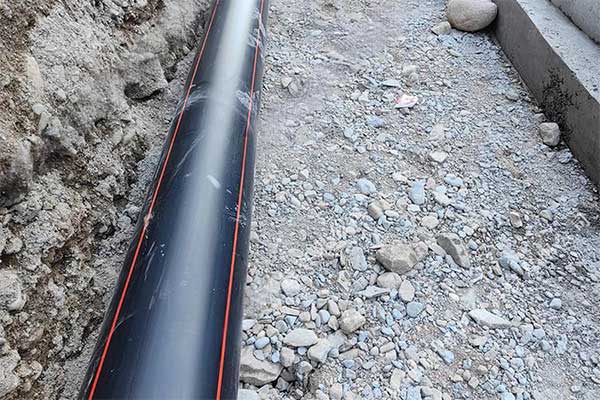
Applications of HDPE Pipes in Water Systems
1. Potable Water Supply
HDPE pipes are extensively used for drinking water distribution. They are non-toxic, leak-proof, and resistant to bacterial growth, making them safe for transporting potable water. Their jointing method — usually butt fusion or electrofusion — ensures zero leakage, maintaining water quality from source to consumer.
2. Irrigation Systems
In agriculture, HDPE pipes are widely used in drip and sprinkler irrigation systems. Their flexibility allows easy installation in uneven terrain, and their resistance to UV rays and chemicals makes them ideal for long-term outdoor use. Farmers benefit from reduced water loss and improved irrigation efficiency.
3. Wastewater and Drainage
HDPE pipes are also used for sewage and wastewater management systems. Their chemical resistance and smooth surface prevent scaling and blockages, ensuring reliable flow even with contaminated water. They can handle both gravity and pressure flow applications.
4. Industrial Water Applications
Industries use HDPE piping systems to transport process water, cooling water, and other liquids. Their ability to withstand a wide range of temperatures and chemicals makes them suitable for various industrial environments, including mining, chemical plants, and power stations.
5. Stormwater Drainage
HDPE pipes are commonly installed in stormwater drainage systems due to their strength and impact resistance. They can handle high water flow during heavy rainfall and resist soil movement and ground stress.
Advantages of Using HDPE Pipes for Water
- Corrosion and Chemical Resistance: Unlike metal pipes, HDPE pipes do not rust, corrode, or react with most chemicals. This makes them ideal for underground and water-based applications.
- Long Service Life: With a lifespan of over 50 years, HDPE pipes offer long-term reliability and lower maintenance costs.
- Leak-Free Joints: HDPE pipes can be joined using heat fusion, creating a monolithic system that prevents water leakage and contamination.
- Lightweight and Easy Installation: HDPE is much lighter than steel or concrete, reducing transportation and installation costs. The flexibility of the pipes allows for quick and easy laying, even in challenging terrains.
- Environmentally Friendly: HDPE pipes are fully recyclable and have a lower carbon footprint compared to traditional materials, making them a sustainable choice for modern water infrastructure.
Conclusion
HDPE pipes are an excellent choice for any water-related application — from drinking water supply to irrigation and wastewater systems. Their durability, chemical resistance, and cost-effectiveness make them a long-term investment for both public and private projects.
If you’re looking for a trusted HDPE pipe supplier for your next water project, contact us today. We provide high-quality HDPE pipes in various sizes and pressure ratings, ensuring durability and efficiency for all your water applications.