
How Long Can Geomembrane Last?
When choosing a geomembrane for projects such as landfills, ponds, mining, or water reservoirs, one of the most common questions is: how long can geomembrane last? The service life of a geomembrane directly affects the safety, cost-effectiveness, and sustainability of an engineering project.
What is Geomembrane?
A geomembrane is a synthetic liner or barrier used to control fluid migration in a structure, often made from HDPE (high-density polyethylene), LLDPE (linear low-density polyethylene), or PVC. It is widely used in civil engineering, agriculture, aquaculture, mining, and environmental protection projects due to its durability and impermeability.
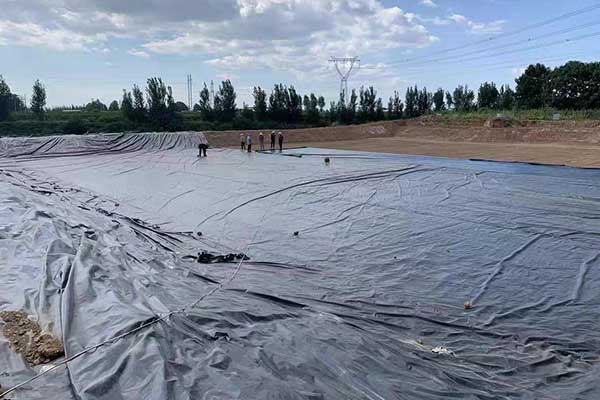
Average Lifespan of Geomembrane
The lifespan of a geomembrane depends on material type, thickness, and exposure conditions. On average:
- HDPE Geomembrane: 30–50 years (with proper installation and protection)
- LLDPE Geomembrane: 20–30 years
- PVC Geomembrane: 15–25 years
Laboratory studies and field performance suggest that HDPE geomembranes can last over 100 years if they are properly buried and shielded from direct sunlight.
Factors That Affect Geomembrane Longevity
- Material Quality: High-quality, virgin resin geomembranes with UV stabilizers last significantly longer than those made from recycled materials.
- UV Exposure: Direct sunlight and high temperatures accelerate aging. Buried or covered geomembranes can last decades longer.
- Chemical Resistance: Contact with aggressive chemicals can reduce lifespan. HDPE geomembrane is known for its strong chemical resistance.
- Installation Quality: Improper welding or surface preparation can lead to leaks and premature failure. Professional installation is crucial.
- Thickness: Thicker geomembranes (1.5mm or more) generally last longer than thinner ones.
- Environmental Conditions: Extreme temperatures, freeze-thaw cycles, and mechanical stress can affect performance.
How to Extend the Life of Geomembrane
- Proper Installation: Use experienced technicians and certified welding equipment.
- Covering the Liner: Soil, geotextiles, or concrete cover helps protect against UV damage.
- Regular Inspection: Monitor for punctures, stress cracks, or displacement.
- Choosing the Right Material: Match the geomembrane type to the chemical and physical environment of the project.
Conclusion
So, how long can geomembrane last? With correct material selection, professional installation, and protective measures, a geomembrane can last 30–50 years or more, with HDPE liners offering the longest service life. In ideal buried conditions, geomembranes may last well over 100 years, making them a cost-effective and sustainable solution for long-term containment.