
Fiberglass Geogrid for Asphalt Reinforcement
Cracks, rutting, and early pavement failure are some of the biggest challenges in modern road construction. As traffic loads increase and climate conditions become more extreme, traditional asphalt reinforcement methods are often not enough.
That’s where fiberglass geogrid comes in — a lightweight yet incredibly strong solution that’s transforming the way engineers reinforce asphalt pavements.
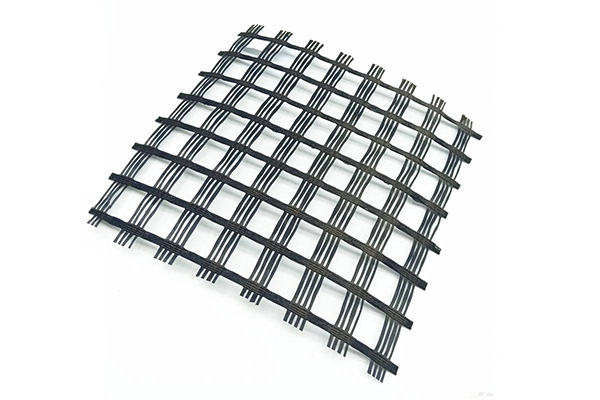
What is a Fiberglass Geogrid?
A fiberglass geogrid is a geosynthetic material made from high-strength glass fibers coated with a protective polymer or bitumen layer. These glass fibers are arranged in a grid pattern to provide excellent tensile strength and stability in both directions.
In simple terms, think of it as a reinforcing mesh that’s placed between layers of asphalt to prevent cracking and extend pavement life. It’s commonly used in:
- Highway and expressway construction
- Municipal road repairs
- Airport runways
- Parking lots and industrial yards
- Asphalt overlays and resurfacing projects
How Does Fiberglass Geogrid Work in Asphalt Pavements?
When an asphalt surface is exposed to heavy traffic or temperature changes, it tends to expand, contract, and eventually crack. These cracks often start from the bottom layers and reflect through to the surface — a process known as reflective cracking.
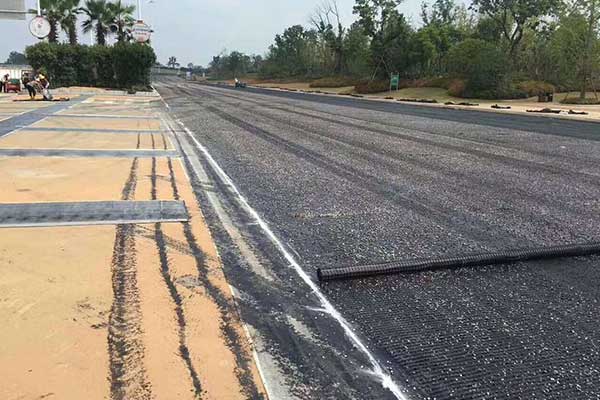
Fiberglass geogrid acts as a reinforcing interlayer between the old and new asphalt layers. It absorbs and distributes tensile stresses across the pavement, preventing cracks from propagating. This not only keeps the surface smoother for longer but also saves significant maintenance costs over time.
Key Benefits of Fiberglass Geogrid for Asphalt Reinforcement
- Crack Prevention: It minimizes reflective and fatigue cracking by improving tensile strength in the asphalt layer.
- Extended Pavement Life: Reduces maintenance frequency and overall lifecycle costs by improving durability.
- Improved Load Distribution: Evenly spreads the traffic load to minimize rutting and surface deformation.
- Thermal Stability: Fiberglass has excellent resistance to high and low temperatures, ensuring stable performance in various climates.
- Easy Installation: Lightweight and flexible, fiberglass geogrid can be quickly installed using standard paving equipment.
- Chemical and Biological Resistance: The polymer coating protects the fiberglass from oxidation, corrosion, and moisture.
Step-by-Step Installation Guide
Installing a fiberglass geogrid is simple but must be done carefully to achieve the best performance. Here’s a general process:
- Prepare the Surface: Clean the existing pavement and repair major cracks or potholes.
- Apply Tack Coat: Spray a uniform bituminous tack coat to improve bonding.
- Lay the Geogrid: Unroll the fiberglass geogrid over the tack coat. Make sure it lies flat and wrinkle-free.
- Overlap Properly: Overlap adjacent rolls by about 50–100 mm to ensure full coverage.
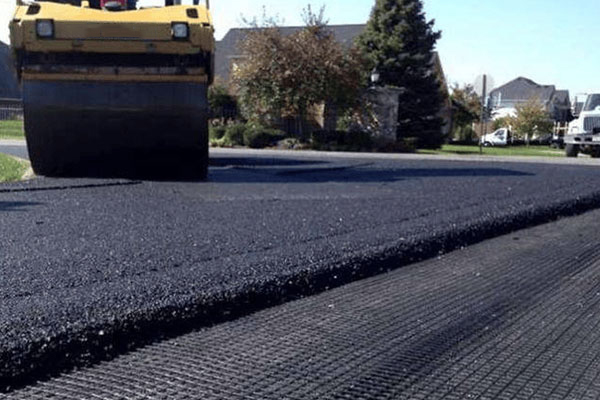
- Apply Asphalt Overlay: Lay the new asphalt mixture and compact it properly to embed the geogrid.
Proper installation ensures optimal bonding and reinforcement performance.
Why Use Fiberglass Geogrid Instead of Traditional Materials?
Compared with steel mesh or polyester geogrids, fiberglass geogrids offer several unique advantages:
- No rust or corrosion
- Higher temperature resistance
- Lower installation and maintenance costs
- Extends pavement life
Whether it’s for new pavement construction or overlay rehabilitation, fiberglass geogrid delivers long-term structural benefits that translate into significant cost savings.
Conclusion
Using fiberglass geogrid for asphalt reinforcement is a proven way to enhance pavement performance, extend service life, and reduce maintenance costs. With its high tensile strength, excellent adhesion, and ease of installation, fiberglass geogrid has become an essential material in modern road construction.
If you’re looking for a reliable fiberglass geogrid supplier, you can contact us for more information.